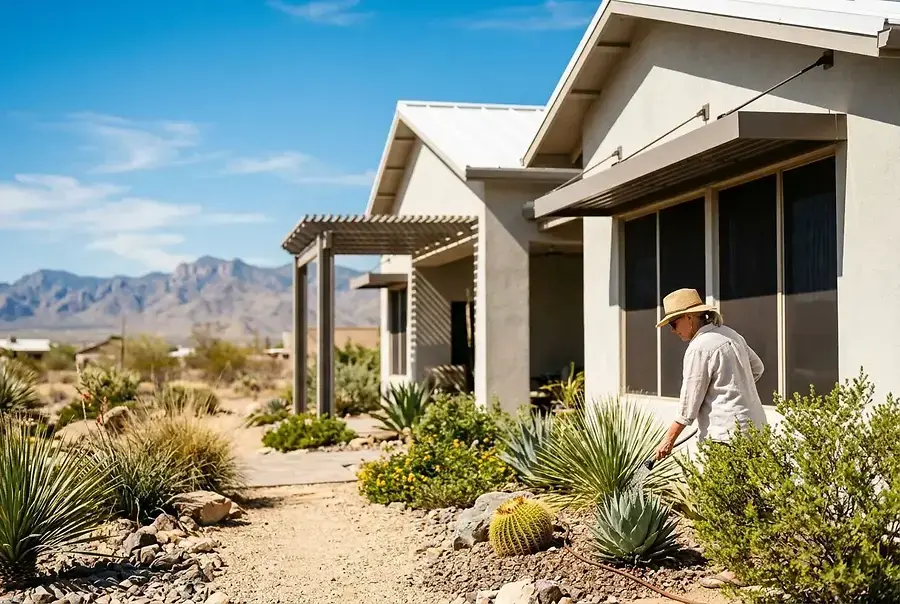
Understanding Desert Climate Challenges and Their Impact on Residential Properties
Living in the desert regions of Pahrump, Amargosa Valley, and Sandy Valley presents unique challenges that homeowners must understand to protect their investments. The extreme heat, intense UV radiation, and low humidity create conditions that can rapidly deteriorate building materials and significantly increase energy costs.
Desert temperatures regularly exceed 110°F during summer months, placing enormous stress on your home's structural integrity and mechanical systems. The intense sun exposure causes paint to fade, roofing materials to deteriorate, and exterior surfaces to expand and contract dramatically. Additionally, the dry climate accelerates the breakdown of sealants, caulking, and weatherstripping, leaving your home vulnerable to air leaks and energy waste.
Understanding these environmental pressures is the first step toward implementing effective solutions that will keep your home comfortable, efficient, and protected for years to come.
Essential Home Upgrades for Heat Protection and Energy Efficiency
Roofing and Insulation Improvements
Your roof is your home's first line of defense against desert heat. Investing in a high-quality, reflective roof coating or light-colored roofing materials can reduce surface temperatures by up to 50°F, significantly decreasing cooling costs. Consider upgrading to cool roofs with high solar reflectance ratings that bounce sunlight away rather than absorbing it.
Equally important is proper attic insulation. Ensure your attic has at least R-38 to R-60 insulation to prevent heat from penetrating living spaces. Proper ventilation in the attic also helps dissipate accumulated heat before it reaches your home's interior.
Window and Door Treatments
Windows are major sources of heat gain in desert homes. Upgrade to:
- Low-E (low-emissivity) windows that reflect heat while allowing light to enter
- Window films or tints that reduce solar heat gain by 30-40%
- Exterior shading solutions such as solar screens, awnings, or shade trees
- Thermal-break doors with proper weatherstripping to minimize air leaks
Installing exterior shading is particularly cost-effective, as it prevents heat from entering your home before it reaches the glass.
HVAC System Optimization
Your air conditioning system works harder in the desert than in any other climate. Upgrade to a high-efficiency HVAC system with a SEER rating of 16 or higher to maximize cooling performance while minimizing energy consumption. Install a programmable or smart thermostat to automatically adjust temperatures based on occupancy patterns and time of day.
Regular maintenance of your HVAC system is critical—clogged filters and dirty coils force your system to work harder, increasing energy bills and reducing lifespan.
Exterior Wall Protection
Consider adding exterior wall insulation or reflective coatings to further reduce heat absorption. Light-colored exterior paint or stucco reflects more sunlight than dark colors, keeping your home cooler naturally. Some homeowners also install shade structures or pergolas on south and west-facing walls to provide additional protection.
Maintenance Tips and Long-Term Care for Desert Homes
Regular Inspection and Sealing
The desert's dry climate causes materials to crack and shrink, creating gaps where air can escape. Inspect your home's exterior quarterly for cracks in caulking, weatherstripping, and sealants. Replace deteriorated materials immediately to maintain energy efficiency and prevent water intrusion during rare desert storms.
Roof and Gutter Maintenance
Desert dust and debris accumulate quickly on roofs and gutters. Clean gutters at least twice yearly to ensure proper water drainage during monsoon season. Inspect roofing materials for signs of damage, including lifted shingles, cracks, or missing granules. Address any damage promptly to prevent leaks and further deterioration.
HVAC System Care
Change your air filter every 30-45 days during cooling season, as desert dust clogs filters rapidly. Have your HVAC system professionally serviced annually to ensure optimal performance. Clean the outdoor condenser unit regularly to remove dust and debris that reduces efficiency.
Landscaping Strategies
Strategic landscaping provides natural cooling and protection:
- Plant shade trees on south and west-facing sides of your home
- Use drought-resistant native plants that require minimal water
- Maintain proper spacing around your home's foundation for air circulation
- Avoid planting directly against exterior walls, which can trap heat
Foundation and Exterior Monitoring
Desert soil expands and contracts with temperature changes, potentially affecting your foundation. Monitor your home for cracks in walls, doors that stick, or uneven floors, which may indicate foundation movement. Address these issues early to prevent costly repairs.
Protecting Your Investment: Insurance and Resale Value Considerations
Comprehensive Insurance Coverage
Desert homes face unique risks including extreme heat damage, dust storms, and flash flooding during monsoon season. Review your homeowner's insurance policy to ensure adequate coverage for these specific hazards. Consider additional coverage for high-value items and discuss any upgrades you've made with your insurance agent, as some improvements may qualify for premium discounts.
Documentation and Maintenance Records
Keep detailed records of all maintenance and upgrades performed on your home. Document roof replacements, HVAC service, insulation improvements, and other major work with photos and receipts. This documentation increases your home's value and provides evidence of proper maintenance to potential buyers.
Resale Value Enhancement
Buyers in desert markets prioritize energy efficiency and heat protection. Homes with upgraded cooling systems, reflective roofing, and quality insulation command premium prices and sell faster than comparable properties without these improvements. The investments you make today directly translate to increased resale value and faster sales when you decide to move.
Long-Term Investment Strategy
View desert home maintenance as an investment rather than an expense. Proactive upgrades and regular maintenance prevent costly emergency repairs and extend your home's lifespan. By implementing these strategies, you protect your property investment, reduce energy costs, and ensure your home remains comfortable and valuable for decades to come.
Living successfully in the desert requires understanding the unique challenges of this environment and taking deliberate steps to address them. With proper planning, strategic upgrades, and consistent maintenance, your desert home will remain a comfortable, efficient, and valuable asset.
