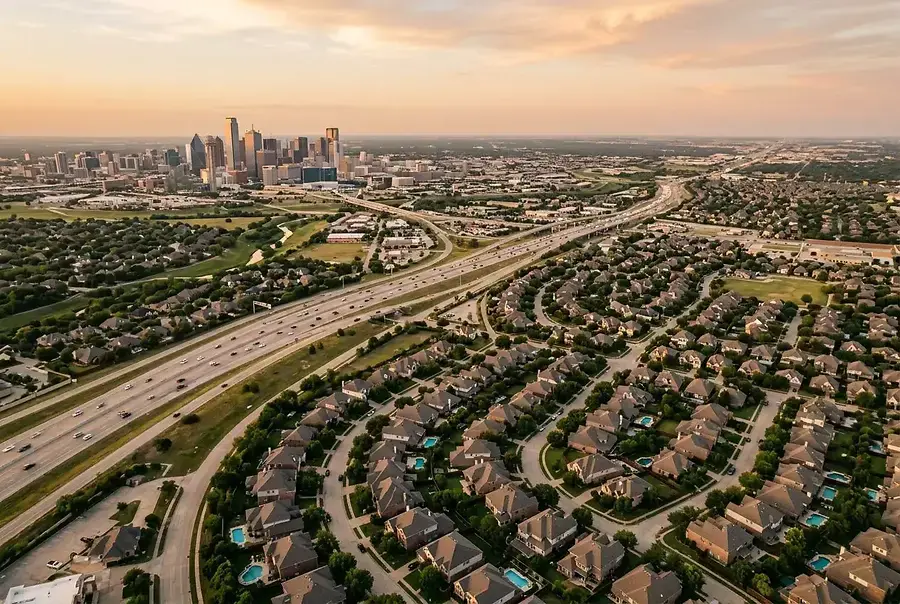
Introduction: Understanding the DFW Residential Market Landscape
The Dallas-Fort Worth metropolitan area has emerged as one of the most dynamic residential real estate markets in the United States. With its booming economy, diverse neighborhoods, and continuous population influx, the DFW region presents both opportunities and challenges for buyers, sellers, and investors alike. Understanding the current market trends is essential for anyone looking to make informed decisions in this competitive landscape.
The DFW residential market reflects broader economic patterns while maintaining its own unique characteristics. From the urban core of Dallas to the rapidly developing suburbs of Frisco and Plano, each area experiences distinct market pressures and growth patterns. This comprehensive analysis explores the key drivers behind home values and market conditions across North Texas.
Economic Drivers and Population Growth Fueling Demand Across North Texas
Corporate Expansion and Job Creation
The DFW region continues to attract major corporations and startups, creating unprecedented job opportunities. Technology companies, financial institutions, and healthcare providers have established significant operations throughout the metroplex, driving employment growth that directly impacts housing demand. This corporate expansion creates a steady stream of relocating professionals seeking quality housing options.
Key employment sectors include:
- Technology and software development
- Financial services and banking
- Healthcare and medical research
- Aerospace and defense
- Retail and logistics
Population Migration Trends
North Texas has experienced remarkable population growth, with families and young professionals relocating from higher-cost states seeking affordable living without sacrificing quality of life. This migration pattern has intensified demand for residential properties across all price points, particularly in well-established neighborhoods with strong schools and amenities.
The combination of job creation and population migration creates a powerful demand driver that continues to support home value appreciation throughout the region.
Infrastructure Development and Connectivity
Ongoing infrastructure improvements, including highway expansions, public transportation enhancements, and broadband development, have made previously remote areas more accessible and desirable. These connectivity improvements reduce commute times and increase property values in surrounding communities.
Neighborhood-by-Neighborhood Value Analysis: From Dallas to McKinney
Dallas Urban Core
The Dallas urban core, including neighborhoods like Uptown, Deep Ellum, and Lower Greenville, has experienced significant revitalization. Young professionals and empty nesters are drawn to walkable communities with vibrant cultural scenes, restaurants, and entertainment options. Home values in these areas reflect the premium placed on urban lifestyle and proximity to employment centers.
Market characteristics:
- Higher price points reflecting urban location premiums
- Strong appreciation in renovated historic properties
- Growing demand for luxury condominiums
- Limited inventory driving competitive bidding
Plano's Suburban Appeal
Plano has positioned itself as a premier suburban destination, attracting families seeking excellent schools, safe neighborhoods, and modern amenities. The city's strategic location along the Dallas North Tollway provides convenient access to employment centers while maintaining a suburban atmosphere. Home values in Plano reflect strong demand from corporate relocations and families prioritizing education quality.
Frisco's Rapid Development
Frisco represents one of the fastest-growing communities in North Texas, with new residential developments, commercial centers, and entertainment venues continuously emerging. The city's investment in infrastructure and amenities has created a highly desirable market for families and professionals. Home values have appreciated significantly as the community establishes itself as a major employment and lifestyle destination.
McKinney and Northern Communities
McKinney and surrounding northern communities offer a blend of suburban comfort and small-town character. These areas attract buyers seeking more affordable entry points while maintaining access to DFW amenities. Historic downtown areas combined with new residential developments create diverse options for various buyer demographics.
The DFW market's strength lies in its diversity—offering something for every buyer profile, from urban professionals to suburban families to rural lifestyle seekers.
Emerging Value Corridors
Several emerging neighborhoods along major transportation corridors are experiencing accelerated appreciation. Areas with planned transit improvements, new commercial development, and infrastructure investment are attracting forward-thinking buyers anticipating future growth. These emerging corridors often provide better value propositions for investors and buyers with longer time horizons.
Conclusion: Positioning Yourself as a DFW Real Estate Expert
The DFW residential market's strength stems from multiple reinforcing factors: robust economic growth, continuous population migration, strategic infrastructure development, and diverse neighborhood options. Understanding these dynamics enables real estate professionals and investors to identify opportunities and guide clients effectively.
Key takeaways for market participants:
- Economic fundamentals remain strong with consistent job creation and corporate expansion
- Population growth continues to drive demand across all price segments
- Neighborhood selection significantly impacts investment returns and lifestyle satisfaction
- Infrastructure improvements create emerging opportunities in developing areas
- Market diversity provides options for various buyer profiles and investment strategies
Success in the DFW market requires staying informed about these trends while understanding local nuances. Whether you're a buyer seeking your ideal home, a seller positioning your property, or an investor identifying opportunities, the DFW residential market offers compelling possibilities. By recognizing the economic drivers, population patterns, and neighborhood-specific dynamics shaping the market, you can make strategic decisions that align with your goals and maximize your success in this thriving region.
The Dallas-Fort Worth residential market continues to evolve, presenting new opportunities and challenges. Those who understand these market trends and adapt their strategies accordingly will be best positioned to thrive in North Texas real estate.
