The DFW Real Estate Market Landscape
The Dallas-Fort Worth metropolitan area has emerged as one of the nation's most dynamic real estate markets, attracting homebuyers and investors from across the country. However, property values vary significantly across the region's suburbs, creating both opportunities and challenges for those navigating the market. Understanding these variations is essential for anyone looking to buy or sell in the DFW area.
The 10 key suburbs—including Arlington, Plano, The Colony, Richardson, Colleyville, Mansfield, Frisco, McKinney, Lewisville, and Irving—each offer distinct characteristics that influence their real estate values. What makes one neighborhood command premium prices while another offers more affordable options? The answer lies in a complex interplay of economic factors, neighborhood characteristics, and market dynamics that shape the DFW landscape.
Economic Drivers of Property Values
Job Growth and Employment Opportunities
One of the most significant factors driving property values in DFW suburbs is job growth and employment opportunities. Cities like Arlington and Plano have attracted major corporate headquarters and tech companies, creating robust job markets that draw professionals and their families to the area. When employment opportunities expand, demand for housing increases, naturally pushing property values upward.
Plano, in particular, has become a tech hub with companies establishing significant operations in the area. This concentration of high-paying jobs creates a competitive housing market where buyers are willing to pay premium prices for homes close to employment centers. Similarly, Arlington's diverse economic base, including corporate offices and entertainment venues, supports strong property values throughout the city.
Population Trends and Development
Population growth is another critical driver of property values. The Colony and other northern DFW suburbs have experienced explosive growth over recent years, with new residential developments attracting families seeking suburban living with urban conveniences. This rapid expansion creates scarcity in desirable neighborhoods, which naturally increases property values.
Local development projects also play a crucial role. New shopping centers, entertainment districts, and infrastructure improvements signal confidence in a community's future and attract both residents and investors. When a suburb invests in modernizing its infrastructure and expanding amenities, property values typically follow suit.
Market Accessibility and Transportation
Proximity to major highways, public transportation, and employment centers significantly impacts property values. Suburbs with easy access to Dallas and Fort Worth's central business districts command higher prices because residents can enjoy suburban living while maintaining convenient access to urban job markets. This accessibility factor is particularly important for commuters and families seeking work-life balance.
Neighborhood Characteristics That Influence Pricing
School District Quality
School district ratings are among the most influential factors affecting property values in DFW suburbs. Families with children prioritize excellent schools, and homes in top-rated school districts consistently command premium prices. Richardson and Colleyville are particularly known for their exceptional school systems, which directly translates to higher property values across these communities.
The relationship between school quality and home prices is straightforward: parents are willing to invest more in homes located within highly-rated school districts. This demand creates a competitive market where properties appreciate faster and maintain their value better than homes in areas with lower-rated schools.
Proximity to Amenities and Community Features
The availability of parks, shopping centers, restaurants, and recreational facilities significantly influences property values. Mansfield and other well-developed suburbs offer residents convenient access to diverse amenities, making them attractive to families and young professionals. Neighborhoods with vibrant community centers, quality dining options, and entertainment venues typically see stronger property appreciation.
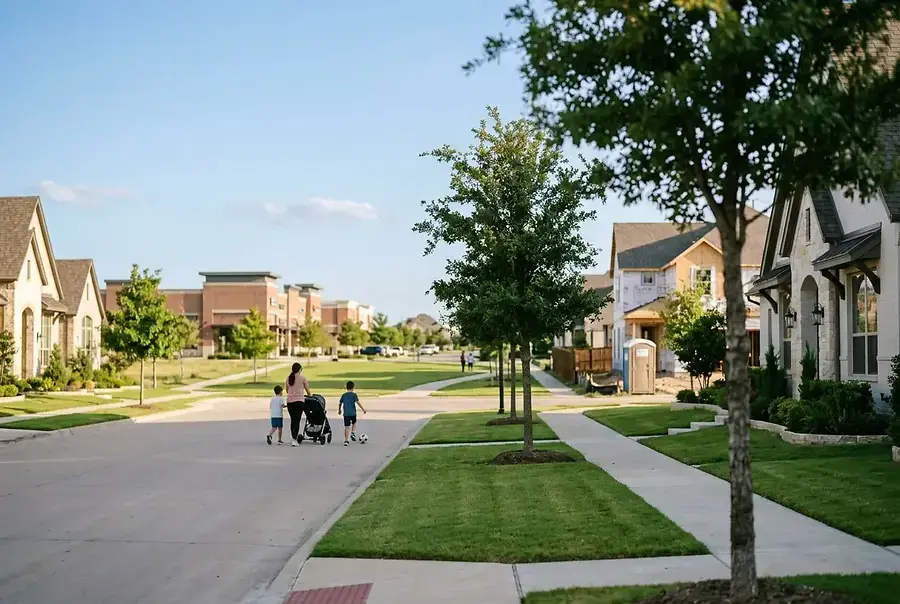
Walkability and community design also matter. Suburbs that feature well-planned neighborhoods with parks, trails, and gathering spaces create a sense of community that buyers value. These features contribute to higher property values and stronger neighborhood stability.
Housing Stock and Property Characteristics
The age, condition, and architectural style of homes in a neighborhood influence overall property values. Newer developments with modern amenities and updated infrastructure typically command higher prices than older neighborhoods, even if both are in the same suburb. However, well-maintained older neighborhoods with character and established trees can also maintain strong values.
Lot sizes, home sizes, and architectural diversity also play roles. Suburbs offering a mix of property types—from townhomes to large estates—appeal to a broader range of buyers and tend to maintain more stable property values across different price points.
Community Safety and Demographics
Safety ratings and neighborhood demographics significantly impact property values. Communities with low crime rates and stable, family-oriented populations attract more buyers and command premium prices. Conversely, neighborhoods experiencing demographic shifts or rising crime rates may see property values stagnate or decline.
The perceived desirability of a neighborhood—influenced by factors like community reputation, resident demographics, and neighborhood stability—directly affects what buyers are willing to pay for homes in that area.
Leveraging Market Knowledge for Your Real Estate Goals
Understanding the factors that drive property values in DFW suburbs empowers you to make informed real estate decisions. For buyers: Research neighborhoods thoroughly, considering job growth, school districts, and amenities that align with your lifestyle and long-term goals. Look for emerging areas with strong economic fundamentals that may offer better value appreciation potential.
For sellers: Highlight the strengths of your neighborhood and property. Emphasize proximity to quality schools, employment centers, and amenities. Consider strategic improvements that enhance your home's appeal and align with neighborhood values. Understanding what buyers prioritize in your specific area allows you to position your property competitively.
The DFW real estate market continues to evolve, with different suburbs experiencing varying levels of growth and appreciation. By understanding the economic drivers, neighborhood characteristics, and market dynamics that influence property values, you can navigate this complex market with confidence. Whether you're buying your first home, upgrading to a larger property, or investing in real estate, knowledge of these value drivers is your most valuable asset.
The key to success in the DFW market is recognizing that property values aren't random—they're driven by measurable, understandable factors. By focusing on these fundamentals and aligning your real estate decisions with market realities, you can achieve your goals while building long-term wealth through property ownership.