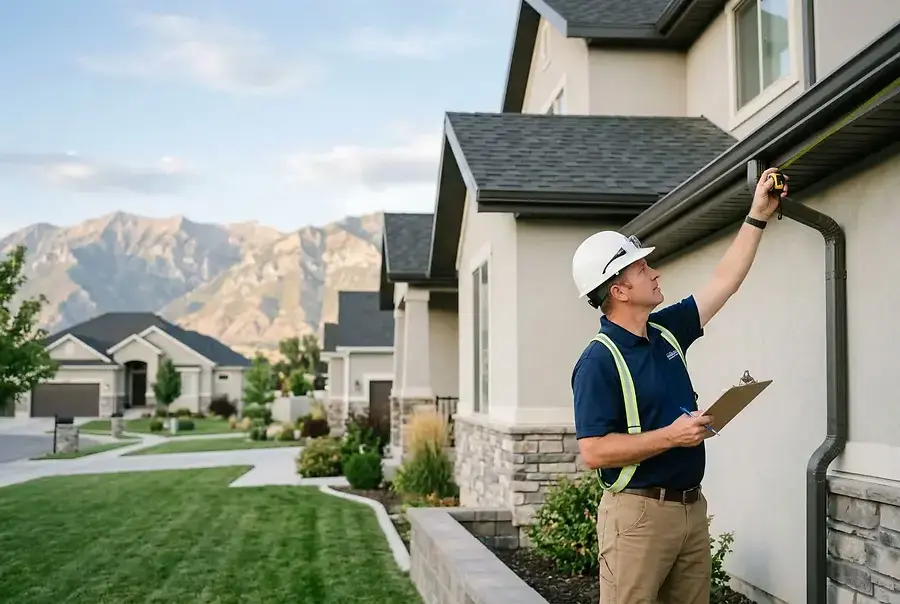
Why Home Inspections Matter in Draper
Purchasing a home is one of the most significant financial decisions you'll make in your lifetime. In Draper's competitive real estate market, where properties move quickly and prices continue to rise, a professional home inspection serves as your essential safeguard. A thorough inspection can reveal hidden problems that could cost thousands of dollars to repair after closing.
Many first-time homebuyers underestimate the importance of inspections, viewing them as an optional expense. However, in a market where homes often receive multiple offers within days, skipping this critical step could leave you vulnerable to unexpected repairs and costly surprises. An inspection isn't just about finding problems—it's about making an informed decision with complete knowledge of your investment.
Draper's unique climate and construction styles present specific challenges that professional inspectors understand well. From the effects of Utah's dry climate on roofing materials to the particular foundation concerns common in the area, a local inspector brings invaluable expertise to the table.
Key Areas Inspectors Examine in Utah Homes
Structural Components and Foundation
The foundation is literally the backbone of your home. Inspectors carefully examine foundations for cracks, settling, and water damage—issues that are particularly important in Utah's climate where freeze-thaw cycles can cause significant damage. Foundation problems can be extremely expensive to repair and may affect your home's resale value.
Roofing and Exterior
Utah's intense sun and occasional hail storms take their toll on roofing materials. Inspectors assess:
- Shingle condition and remaining lifespan
- Flashing integrity around chimneys and vents
- Gutter functionality and drainage
- Exterior wall condition and weatherproofing
A roof replacement can easily cost $10,000 or more, making this one of the most critical inspection areas.
HVAC Systems
Heating and cooling systems work overtime in Draper's climate extremes. Inspectors evaluate the age, efficiency, and condition of your furnace, air conditioning unit, and ventilation systems. An aging HVAC system may require replacement within a few years, which is important information for budgeting.
Plumbing and Water Systems
Water quality and plumbing integrity are essential concerns. Inspectors check:
- Water pressure and flow rates
- Pipe materials and condition (older homes may have problematic materials)
- Water heater age and functionality
- Drainage systems and potential for leaks
Electrical Systems
Electrical safety is non-negotiable. Inspectors examine the electrical panel, wiring, outlets, and grounding to ensure everything meets current safety codes. Outdated or faulty electrical systems pose serious fire hazards and may require expensive upgrades.
Interior Conditions
Beyond the major systems, inspectors evaluate:
- Insulation levels and energy efficiency
- Windows and doors functionality
- Interior walls for water damage or mold
- Appliances included in the sale
- Basement or crawl space conditions
Red Flags to Watch For and When to Negotiate
Major Red Flags
Certain inspection findings should trigger serious consideration:
- Foundation cracks or settling: These can indicate structural problems requiring professional engineering assessment
- Mold or water damage: Signs of moisture intrusion that could lead to health issues and costly remediation
- Outdated electrical systems: Knob-and-tube wiring or aluminum wiring may require complete replacement
- Roof near end of life: Replacement costs can be substantial and should factor into your offer
- HVAC system failure: Replacement costs typically range from $5,000 to $15,000
Minor Issues Worth Noting
Not every finding requires renegotiation. Minor issues like caulking gaps, worn weatherstripping, or cosmetic damage are typically the buyer's responsibility. However, document these items for your own planning and budgeting purposes.
Negotiation Strategies
When significant issues arise, you have several options:
- Request repairs: Ask the seller to fix major issues before closing
- Request credits: Negotiate a credit toward closing costs to handle repairs yourself
- Renegotiate price: Adjust the purchase price to reflect necessary repairs
- Walk away: In Draper's market, other properties may be available if issues are too significant
Remember: In a competitive market, sellers may be unwilling to make repairs. Having inspection results in hand gives you leverage and clear information for decision-making.
Making Informed Decisions Before Closing
A professional home inspection is your opportunity to make an informed decision about one of your largest investments. Don't view the inspection as a hurdle to clear—view it as essential due diligence.
Work with a qualified, licensed inspector who has specific experience with Draper and Utah properties. Ask for a detailed written report and take time to understand the findings. If major issues arise, consider hiring specialists for further evaluation before making your final decision.
The small investment in a thorough inspection—typically $300 to $500—is insignificant compared to the potential costs of hidden problems. In Draper's competitive market, where homes sell quickly and prices are high, protecting your investment through professional inspection isn't optional—it's essential.
Your future self will thank you for taking the time to get a complete picture of your new home's condition before you sign the final papers.