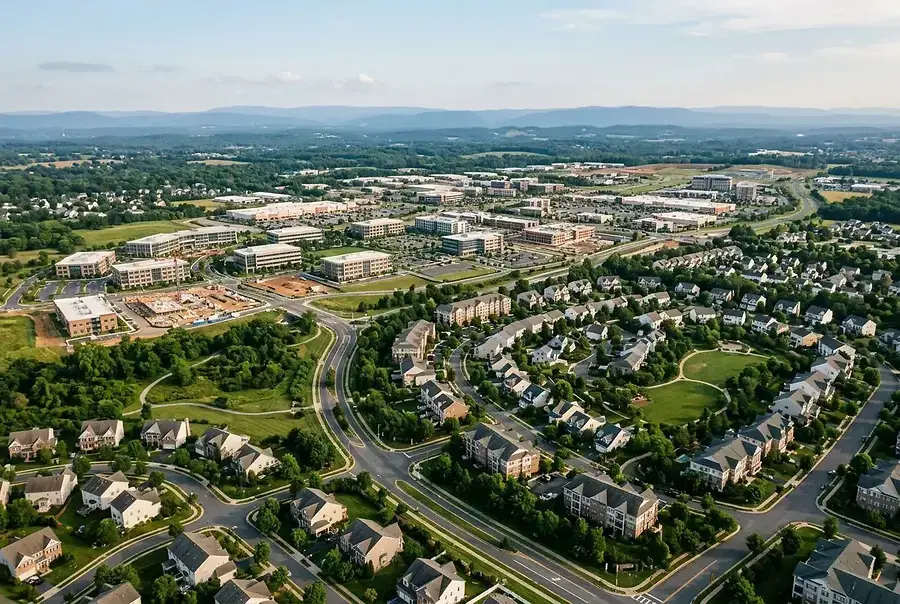
Why Diversifying Across Residential and Commercial Markets Matters
The real estate market offers tremendous opportunities for investors willing to think beyond single-property investments. By diversifying across both residential and commercial properties, you create a resilient portfolio that can weather market fluctuations and generate consistent income streams. The nine-county corridor spanning the Shenandoah Valley, Northern Virginia, Maryland, and Pennsylvania presents a unique landscape where both markets are experiencing significant growth.
Residential properties provide stable, long-term appreciation and reliable tenant income, while commercial real estate offers higher profit margins and longer lease terms. Combining both asset classes allows you to balance risk and reward, creating a comprehensive investment strategy that capitalizes on regional economic expansion and demographic trends.
This corridor has become increasingly attractive to investors due to its proximity to major metropolitan areas, growing population centers, and expanding business hubs. Whether you're a seasoned investor or just beginning your real estate journey, understanding how to leverage both markets is essential for building wealth.
Residential Market Opportunities: Finding Single-Family and Multi-Unit Properties in High-Growth Counties
Single-Family Home Investments
Single-family homes remain the cornerstone of residential real estate investing. Throughout the nine-county region, suburban communities are experiencing robust population growth, making single-family properties an attractive investment. These properties offer several advantages:
- Lower entry barriers compared to multi-unit properties
- Easier financing and conventional loan options
- Strong rental demand from families seeking suburban living
- Potential for significant appreciation in emerging neighborhoods
- Tax benefits and depreciation advantages
Focus on communities with strong school systems, proximity to employment centers, and planned infrastructure development. These factors drive long-term property value appreciation and maintain consistent tenant demand.
Multi-Unit Residential Properties
Multi-unit properties—including duplexes, triplexes, and apartment complexes—offer enhanced income potential through multiple revenue streams. A single four-unit property generates four times the rental income compared to a single-family home, while requiring only one mortgage and maintenance team.
The region's growing workforce and young professional demographic create strong demand for rental apartments. Key benefits of multi-unit investments include:
- Diversified income from multiple tenants
- Economies of scale in property management
- Higher cap rates and cash-on-cash returns
- Reduced vacancy risk through tenant diversity
- Easier refinancing and portfolio expansion
Target areas experiencing job growth and population influx, particularly near technology corridors and regional business centers. These locations command premium rents and attract quality tenants.
Commercial Real Estate Potential: Office, Retail, and Mixed-Use Developments in Your Region
Office Space Investments
The commercial office market in this corridor is evolving rapidly. While traditional office space faces headwinds, well-located, modern office properties continue to attract premium tenants. Focus on:
- Class A and Class B office buildings in established business districts
- Properties with flexible layouts suitable for co-working arrangements
- Buildings featuring modern amenities and sustainable features
- Locations near major transportation corridors and business parks
Long-term corporate leases provide stable, predictable income streams that often exceed residential rental rates. Institutional-quality office properties attract sophisticated tenants with strong credit profiles.
Retail and Mixed-Use Developments
Retail real estate offers unique opportunities, particularly in mixed-use developments that combine residential, office, and retail components. These properties create vibrant communities while generating multiple income streams. Consider investing in:
- Neighborhood shopping centers with essential services
- Mixed-use developments with ground-floor retail and upper-level residential
- Properties anchored by established, credit-worthy tenants
- Locations in high-traffic, walkable communities
Mixed-use properties are particularly attractive because they reduce vacancy risk through diversified tenant bases and create synergistic value where residential tenants support retail businesses.
Industrial and Flex Space
Don't overlook industrial and flex space opportunities. The region's strategic location between major metropolitan areas makes it ideal for distribution, warehousing, and light manufacturing. These properties typically offer:
- Lower tenant turnover rates
- Triple-net leases that shift operating costs to tenants
- Strong demand from e-commerce and logistics companies
- Excellent long-term appreciation potential
Building a Balanced Portfolio Across Residential and Commercial Investments
Strategic Portfolio Allocation
A balanced dual-market strategy typically allocates capital across both asset classes based on your risk tolerance and investment goals. Consider a portfolio structure that includes 60% residential and 40% commercial properties, though this ratio should be adjusted based on your specific circumstances and market conditions.
Residential properties provide stability and consistent cash flow, while commercial investments offer higher returns and longer lease terms. This combination creates a resilient portfolio capable of generating wealth through multiple economic cycles.
Risk Management and Due Diligence
Success in dual-market investing requires thorough due diligence:
- Conduct comprehensive market analysis for each county
- Evaluate demographic trends and economic indicators
- Analyze tenant quality and lease terms
- Assess property condition and required capital improvements
- Review comparable sales and rental rates
- Understand local zoning and development regulations
Partner with experienced local real estate professionals, property managers, and financial advisors who understand the nuances of this nine-county region. Their expertise will help you identify opportunities and avoid costly mistakes.
Financing and Capital Strategy
Leverage multiple financing options to optimize your portfolio returns. Residential properties typically offer favorable financing terms, while commercial properties may provide higher leverage opportunities. Strategic use of debt amplifies returns while maintaining manageable risk levels.
Consider building relationships with local lenders who understand regional market dynamics and can provide flexible financing solutions for both residential and commercial acquisitions.
Long-Term Wealth Building
A dual-market strategy creates multiple pathways to wealth accumulation. Monthly rental income from residential properties provides immediate cash flow, while commercial leases generate higher per-unit returns. Property appreciation across both asset classes compounds your wealth over time, and tax advantages through depreciation and deductions enhance your net returns.
The most successful real estate investors recognize that diversification across residential and commercial markets isn't just about spreading risk—it's about creating a comprehensive wealth-building machine that generates income, appreciation, and tax benefits simultaneously.
Conclusion
Investing in both residential and commercial real estate across the Shenandoah Valley, Northern Virginia, Maryland, and Pennsylvania corridor offers exceptional opportunities for building substantial wealth. By understanding the unique characteristics of each market segment and strategically allocating capital across both asset classes, you create a balanced portfolio positioned for long-term success.
The key to success lies in thorough market research, strategic property selection, professional partnerships, and disciplined execution. Whether you're drawn to the stability of residential properties or the higher returns of commercial investments, a dual-market approach provides the diversification and income potential necessary to achieve your financial goals. Start building your balanced real estate portfolio today and position yourself to capitalize on the tremendous growth opportunities available throughout this dynamic region.