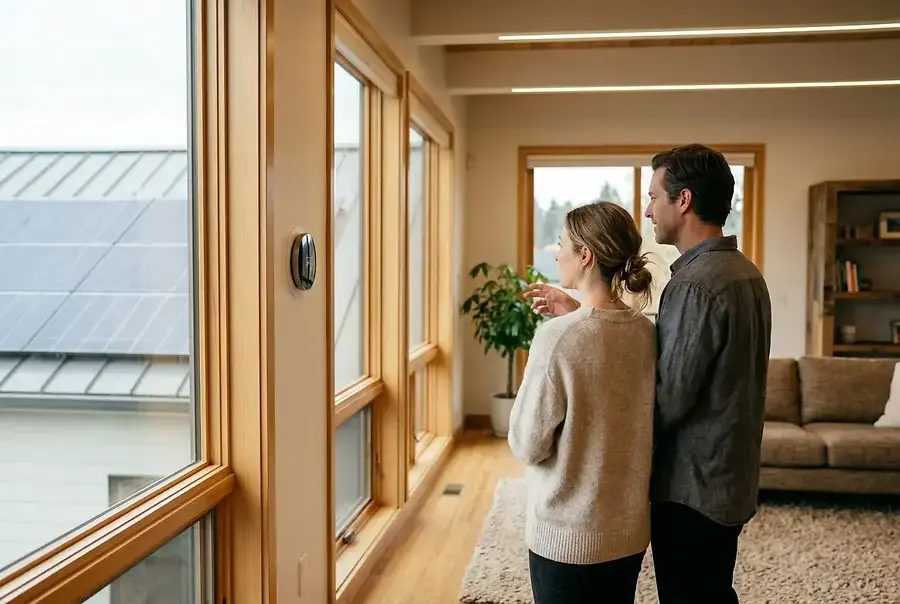
Introduction: The Growing Demand for Energy-Efficient Homes
The real estate market has undergone a significant transformation in recent years. Today's homebuyers are increasingly prioritizing sustainability and energy efficiency when making purchasing decisions. This shift isn't driven by environmental consciousness alone—it's also about long-term savings and reduced utility expenses.
Homes with energy-efficient features command higher prices and sell faster than their conventional counterparts. Buyers recognize that investing in green upgrades means lower monthly bills, improved comfort, and a smaller environmental footprint. For homeowners looking to increase property value while contributing to a sustainable future, energy-efficient upgrades represent a smart financial decision.
High-Impact Upgrades That Buyers Value Most
Solar Panel Installation
Solar panels remain one of the most sought-after home improvements among eco-conscious buyers. They provide immediate energy savings and offer protection against rising electricity costs. Homes equipped with solar systems typically see increased buyer interest and faster sales.
Smart Thermostats and HVAC Systems
Modern smart thermostats learn your preferences and automatically adjust heating and cooling schedules. Paired with an efficient HVAC system, these devices can reduce energy consumption by up to 15%. Buyers appreciate the convenience and the potential for significant utility savings.
High-Performance Windows and Insulation
Upgrading to energy-efficient windows and improving insulation prevents heat loss during winter and keeps homes cooler in summer. These improvements enhance comfort while reducing the workload on heating and cooling systems. The result is lower energy bills and a more comfortable living environment year-round.
LED Lighting Throughout
LED bulbs consume 75% less energy than traditional incandescent bulbs and last significantly longer. Converting your entire home to LED lighting is an affordable upgrade that demonstrates commitment to energy efficiency. Buyers notice these small but impactful changes.
Energy-Efficient Appliances
Modern ENERGY STAR-certified appliances use considerably less water and electricity than older models. Refrigerators, dishwashers, washing machines, and water heaters with high efficiency ratings appeal to environmentally conscious buyers and reduce monthly utility costs.
Water Heating Solutions
Tankless water heaters and heat pump water heaters provide hot water on-demand while consuming less energy. These systems are particularly attractive to buyers who understand the long-term savings potential. Some homeowners also consider solar water heating systems for maximum efficiency.
Return on Investment: Which Improvements Pay Off
Best ROI Upgrades
Not all energy-efficient upgrades deliver equal returns. Research shows that certain improvements consistently provide strong financial payback:
- Solar Panel Installation: Typically recovers 70-80% of installation costs at resale, with some homeowners seeing full recovery depending on local electricity rates and incentives.
- HVAC System Upgrade: A new, efficient HVAC system recovers approximately 50-60% of costs, while providing immediate energy savings and improved comfort.
- Window Replacement: Energy-efficient windows recover about 70% of installation costs and provide noticeable comfort improvements.
- Insulation Improvements: Adding attic and wall insulation is relatively affordable and recovers 50-70% of costs through reduced heating and cooling expenses.
- Water Heater Upgrade: Replacing an old water heater with an efficient model recovers 40-50% of costs while reducing monthly utility bills.
Long-Term Savings Perspective
While ROI percentages matter, homeowners should also consider long-term savings. A solar panel system might recover 75% of costs at resale, but the homeowner enjoys years of reduced electricity bills before selling. Over a 10-year period, the actual financial benefit far exceeds the initial investment.
Incentives and Tax Credits
Federal tax credits, state rebates, and utility company incentives can significantly reduce the upfront cost of energy-efficient upgrades. Many homeowners find that combining these incentives with long-term savings makes green improvements financially attractive from day one. It's worth researching available programs in your area before making upgrade decisions.
Bundling Upgrades for Maximum Impact
Combining multiple energy-efficient improvements creates a more compelling value proposition for buyers. A home with solar panels, a new HVAC system, energy-efficient windows, and LED lighting throughout demonstrates a comprehensive commitment to sustainability. This holistic approach often justifies premium pricing and attracts serious, motivated buyers.
Conclusion: Positioning Your Home as a Modern, Sustainable Investment
Energy-efficient home upgrades represent more than just environmental responsibility—they're smart financial investments. Buyers increasingly recognize that green improvements translate to lower utility bills, improved comfort, and reduced environmental impact. By strategically investing in high-value upgrades, homeowners can boost property appeal, command higher prices, and enjoy years of reduced operating costs.
The decision to upgrade your home's energy efficiency should balance immediate costs with long-term benefits. Focus on improvements that align with your budget, local market preferences, and personal priorities. Whether you're planning to sell soon or stay for years to come, energy-efficient upgrades position your home as a modern, sustainable investment that appeals to today's conscious consumers.
Start with an energy audit to identify your home's biggest efficiency opportunities, then prioritize upgrades that deliver the best combination of financial returns and personal benefits.