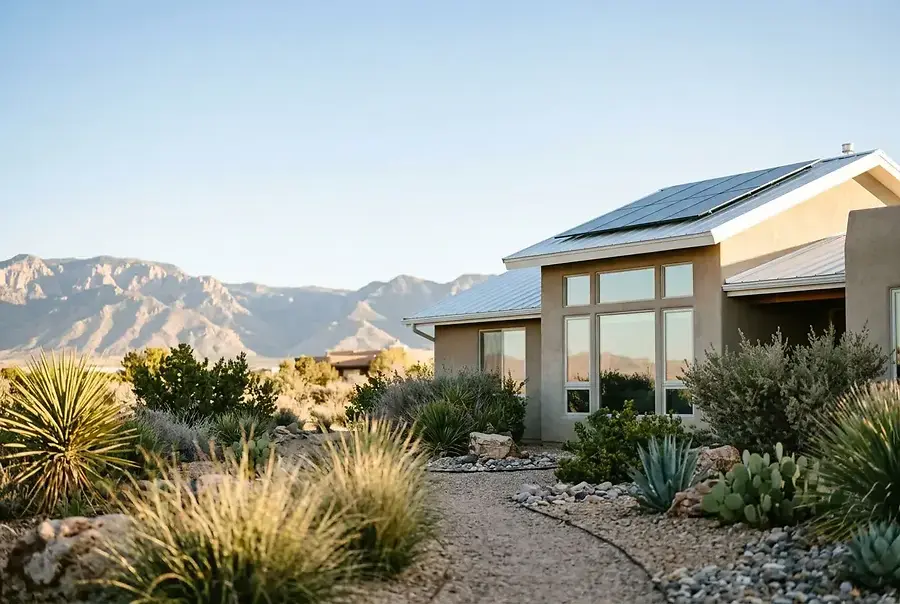
Why Energy Efficiency Matters in Albuquerque's Desert Climate
Albuquerque's unique desert climate presents both challenges and opportunities for homeowners seeking to reduce energy consumption. With intense summer heat reaching well over 90 degrees Fahrenheit and significant temperature fluctuations between day and night, your home's cooling and heating systems work overtime throughout the year. This constant demand for climate control translates directly into higher utility bills and increased environmental impact.
The high altitude and abundant sunshine in Albuquerque create an ideal environment for solar energy solutions, while the dry climate means less humidity to manage. Understanding these regional characteristics is essential for implementing energy-efficient upgrades that truly work with your environment rather than against it. By investing in energy-efficient features tailored to desert living, you can maintain comfort while dramatically reducing your carbon footprint and monthly expenses.
Top Energy-Saving Features for Albuquerque Homes
Solar Panel Installation
Albuquerque receives over 310 days of sunshine annually, making solar panels one of the most effective investments for homeowners. Modern solar systems can offset 50-100% of your electricity needs, depending on system size and roof orientation. Beyond the immediate energy savings, solar installations significantly increase home value and may qualify you for federal tax credits and local incentives.
Advanced Window Technology
Single-pane windows are energy vampires in desert climates. Upgrading to low-emissivity (Low-E) windows with reflective coatings helps keep heat out during summer while retaining warmth in winter. These windows can reduce energy loss by up to 30% and provide the added benefit of UV protection for your furnishings and flooring.
Smart Insulation and Weatherization
Proper insulation is critical in Albuquerque's climate. Focus on:
- Attic insulation (where most heat escapes)
- Wall cavity insulation
- Basement and crawl space sealing
- Weather stripping around doors and windows
These improvements prevent conditioned air from escaping, reducing the workload on your HVAC system and lowering energy bills by 10-15%.
Energy-Efficient HVAC Systems
Upgrading to a high-efficiency air conditioning and heating system is one of the most impactful changes you can make. Look for units with SEER ratings of 16 or higher (Seasonal Energy Efficiency Ratio). Modern systems use advanced technology to cool and heat your home more effectively while consuming significantly less electricity than older models.
Smart Thermostats and Home Automation
Programmable and smart thermostats learn your schedule and preferences, automatically adjusting temperatures when you're away or sleeping. These devices can reduce heating and cooling costs by 10-23% annually. Integration with other smart home systems allows you to monitor and control energy usage from your smartphone.
Reflective Roofing Materials
In Albuquerque's intense sun, roof color matters. Cool roofs with light-colored or reflective materials bounce sunlight away from your home, reducing cooling costs by up to 20%. Metal roofing and light-colored tiles are popular choices that also offer durability and aesthetic appeal.
Long-Term Financial Benefits and Property Value Impact
The financial advantages of energy-efficient upgrades extend far beyond monthly utility savings. Here's what homeowners can expect:
Immediate Savings
Energy-efficient homes typically see utility bill reductions of 20-40%, depending on which upgrades are implemented. For the average Albuquerque household, this translates to savings of $1,500-$3,000 annually.
Increased Home Value
Studies consistently show that energy-efficient homes sell for 3-5% more than comparable non-efficient properties. Buyers increasingly prioritize lower operating costs and environmental responsibility, making your home more attractive in the real estate market. Solar-equipped homes, in particular, command premium prices.
Return on Investment
Most energy-efficient upgrades pay for themselves within 5-10 years through utility savings alone. After that period, you're essentially living with free energy improvements. When combined with increased home value at resale, your ROI becomes even more compelling.
Tax Credits and Incentives
Federal tax credits for solar installations, energy-efficient windows, and HVAC systems can offset 25-30% of upgrade costs. New Mexico also offers state-level incentives for renewable energy installations, making the initial investment more affordable.
Did you know? Energy Star certified homes use approximately 30% less energy than standard homes, resulting in substantial long-term savings and environmental benefits.
Getting Started: Steps to Upgrade Your Home's Efficiency
Step 1: Conduct an Energy Audit
Begin with a professional energy audit to identify your home's specific inefficiencies. Many utility companies offer free or subsidized audits that provide a detailed roadmap for improvements. This assessment helps you prioritize upgrades based on potential savings and your budget.
Step 2: Start with High-Impact Upgrades
Focus first on improvements that offer the greatest energy savings relative to cost:
- Insulation and weatherization
- HVAC system upgrades
- Window replacement
- Solar installation
Step 3: Choose Qualified Contractors
Work with licensed, insured contractors who specialize in energy-efficient upgrades. Verify certifications, check references, and obtain multiple quotes. Quality installation is crucial for maximizing the performance and longevity of your improvements.
Step 4: Take Advantage of Financing Options
Many banks and credit unions offer special financing for energy-efficient home improvements. Some programs feature zero-interest loans or allow you to finance upgrades through your property tax assessment, making improvements more accessible.
Step 5: Monitor and Maintain
After upgrades are complete, use smart monitoring tools to track energy consumption and identify additional savings opportunities. Regular maintenance of HVAC systems, solar panels, and insulation ensures peak performance and longevity of your investments.
Conclusion
Transforming your Albuquerque home into an energy-efficient property is a smart investment that pays dividends through lower utility bills, increased home value, and reduced environmental impact. By understanding your desert climate's unique demands and implementing targeted upgrades, you can enjoy year-round comfort while keeping more money in your pocket. Start with an energy audit, prioritize high-impact improvements, and watch your home become a model of sustainability and efficiency.