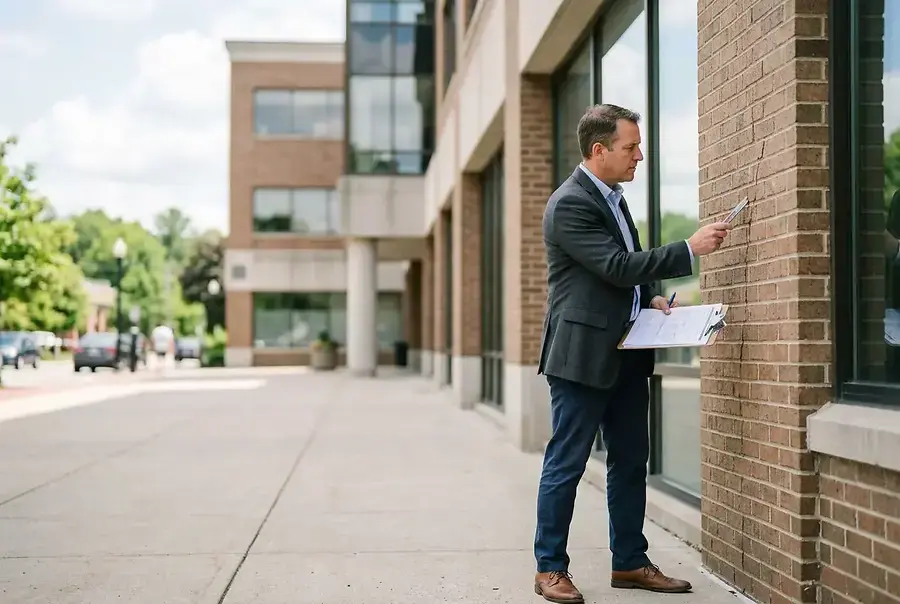
Why Thorough Inspections Matter for Commercial Properties
Purchasing commercial property is one of the most significant financial decisions a business owner or investor can make. Unlike residential properties, commercial real estate comes with unique complexities and higher stakes. A thorough inspection isn't just a formality—it's your safeguard against costly surprises and hidden liabilities.
Commercial properties often house expensive systems, multiple tenants, and intricate compliance requirements. Without a comprehensive inspection, you could inherit structural problems, outdated electrical systems, environmental hazards, or code violations that cost thousands to remediate. For Dover buyers, understanding what to look for during an inspection can mean the difference between a profitable investment and a financial burden.
Professional inspections provide documented evidence of a property's condition, giving you leverage in negotiations and protecting you legally. They identify issues early, allowing you to make informed decisions before signing on the dotted line.
Key Areas to Evaluate During Your Commercial Property Inspection
Structural Integrity and Foundation
The foundation is the backbone of any commercial property. During inspection, look for:
- Cracks in concrete or masonry walls
- Uneven or sloping floors
- Water damage or moisture intrusion
- Signs of settling or structural movement
- Deterioration in basement or crawl spaces
A compromised foundation can lead to catastrophic repairs. Professional inspectors use specialized equipment to assess structural soundness and identify potential issues before they become emergencies.
Roofing and Exterior Systems
The roof protects your entire investment. Evaluate:
- Age and remaining lifespan of roofing materials
- Visible leaks, stains, or water damage
- Condition of gutters, downspouts, and drainage systems
- Exterior wall integrity and weatherproofing
- Windows, doors, and sealing around penetrations
Roof replacement is one of the most expensive repairs in commercial real estate. Knowing the roof's age and condition helps you budget for future maintenance or negotiate repair costs before purchase.
Mechanical and Electrical Systems
These systems are critical for daily operations:
- HVAC system age, efficiency, and maintenance history
- Electrical panel capacity and code compliance
- Plumbing condition and water pressure
- Fire suppression systems and safety equipment
- Backup generators or emergency systems
Outdated or failing systems can disrupt business operations and create safety hazards. Inspectors should verify that all systems meet current building codes and are properly maintained.
Compliance and Code Requirements
Commercial properties must meet numerous regulations:
- ADA accessibility compliance
- Fire safety codes and emergency exits
- Environmental regulations and hazardous materials
- Zoning compliance for intended use
- Parking and loading area requirements
Non-compliance can result in fines, forced renovations, or inability to operate your business. Ensure the property meets all requirements for your intended use before purchase.
Interior Condition and Finishes
While less critical than structural elements, interior condition affects usability:
- Flooring condition and wear
- Wall and ceiling integrity
- Paint, carpeting, and cosmetic condition
- Tenant improvements and their quality
- Storage and workspace functionality
Understanding Inspection Reports and Red Flags
What to Look for in Inspection Reports
A comprehensive inspection report should include detailed findings, photographs, and recommendations. Pay special attention to items marked as:
- Critical: Issues requiring immediate attention
- Major: Significant problems affecting property value
- Minor: Small issues that don't impact functionality
- Deferred Maintenance: Neglected upkeep that will eventually need addressing
Common Red Flags in Commercial Properties
Be cautious if you encounter:
- Evidence of water damage or mold growth
- Outdated electrical systems or overloaded circuits
- HVAC systems nearing end of life
- Unpermitted renovations or additions
- Asbestos, lead paint, or other hazardous materials
- Pest infestations or signs of rodent activity
- Inadequate parking or loading facilities
- Poor drainage or standing water issues
Red flags don't necessarily mean you should walk away—they're negotiation points. Use inspection findings to request repairs, credits, or price reductions.
Working with Professional Inspectors
Hire inspectors with commercial property experience and appropriate certifications. They should:
- Have specialized knowledge of commercial systems
- Provide detailed written reports with photographs
- Be available to discuss findings and answer questions
- Recommend further specialized inspections when needed
- Maintain professional liability insurance
Don't hesitate to request additional inspections for specific concerns, such as environmental assessments, structural engineering reviews, or specialized HVAC evaluations.
Making Informed Decisions with Professional Inspections
A thorough commercial property inspection is an investment in your future success. The cost of a professional inspection—typically 0.5% to 1% of the purchase price—is minimal compared to the potential savings from identifying problems early.
Use inspection findings strategically: Negotiate repairs, request seller credits, or adjust your offer price based on documented issues. If major problems exist, you may decide the property isn't worth the investment.
For Dover buyers, working with experienced commercial real estate professionals who understand local building codes and market conditions is essential. They can help you interpret inspection reports and make decisions that protect your investment.
Remember, a property that appears perfect on the surface may hide significant problems. Thorough inspections reveal the true condition of commercial properties, empowering you to make confident, informed purchasing decisions. Don't skip this critical step—your bottom line depends on it.