Why Due Diligence Matters in Commercial Real Estate
Purchasing commercial property is one of the most significant financial decisions a business owner or investor can make. Unlike residential real estate transactions, commercial property acquisitions involve complex layers of financial, legal, and operational considerations. Due diligence is not optional—it's essential to protecting your investment and ensuring the property meets your business needs.
In competitive markets like Sherman Oaks and Culver City, buyers often feel pressured to move quickly. However, rushing through the evaluation process can lead to costly mistakes, hidden liabilities, and unforeseen expenses. A thorough due diligence process helps you identify potential issues before they become your responsibility, negotiate better terms, and make informed decisions with confidence.
Physical Property Inspection and Structural Assessment
Comprehensive Building Inspection
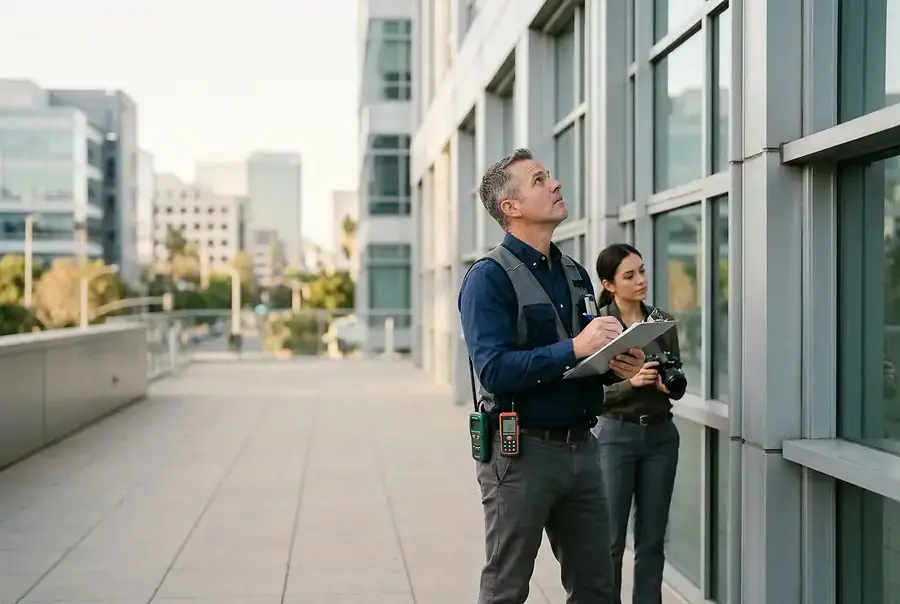
The foundation of any commercial property evaluation begins with a detailed physical inspection. Hire a qualified commercial property inspector to evaluate the building's structural integrity, mechanical systems, and overall condition. This inspection should cover:
- Foundation and structural components
- Roof condition and remaining lifespan
- HVAC systems and their maintenance history
- Electrical systems and panel capacity
- Plumbing infrastructure and water quality
- Interior finishes and potential code violations
Specialized Assessments
Depending on the property type and age, you may need specialized inspections. Asbestos surveys, lead paint testing, and mold assessments are critical for older buildings. For properties with significant mechanical or electrical systems, consider hiring engineers to evaluate equipment condition and remaining useful life. These assessments help you budget for future repairs and replacements accurately.
ADA Compliance Review
Commercial properties must comply with the Americans with Disabilities Act (ADA). Verify that the property meets accessibility requirements, including parking, entrances, restrooms, and common areas. Non-compliance can result in expensive retrofitting costs and potential legal liability.
Financial and Legal Documentation Review
Financial Statement Analysis
Request and thoroughly review all financial documentation related to the property. This includes profit and loss statements, rent rolls, lease agreements, and operating expense records for the past three to five years. Verify that the seller's claims about income and expenses are accurate by cross-referencing with actual documentation.
Pay special attention to:
- Tenant payment history and lease terms
- Vacancy rates and tenant turnover
- Operating expenses and maintenance costs
- Property tax assessments and special assessments
- Insurance costs and claims history
Title and Ownership Verification
Conduct a comprehensive title search to ensure the seller has clear ownership and the right to sell the property. Title insurance is essential for protecting against future claims. Review any liens, encumbrances, or restrictions that may affect your use of the property.
Lease and Tenant Review
If the property is occupied, carefully review all tenant leases. Understand lease terms, renewal options, rent escalation clauses, and tenant responsibilities. Identify any problematic tenants or unfavorable lease terms that could impact your investment returns.
Environmental and Zoning Compliance Verification
Environmental Site Assessment
Phase I Environmental Site Assessments (ESA) are crucial for identifying potential environmental contamination. This assessment reviews the property's history, previous uses, and current conditions to identify environmental risks. If Phase I reveals concerns, a Phase II ESA involving soil and groundwater testing may be necessary.
Environmental issues can be extremely costly to remediate and may affect property value and usability. Don't skip this step, especially for properties with industrial history or in areas with known environmental concerns.
Zoning and Land Use Compliance
Verify that the property's current and intended use complies with local zoning regulations. Contact the local planning department in Sherman Oaks or Culver City to confirm:
- Current zoning classification
- Permitted uses and restrictions
- Required setbacks and building height limitations
- Parking requirements
- Any pending zoning changes or variances
Permits and Compliance Documentation
Request all building permits, certificates of occupancy, and compliance documentation. Verify that any renovations or modifications were properly permitted and inspected. Unpermitted work can create liability issues and may require expensive corrections to bring the property into compliance.
Making Confident Commercial Property Decisions
Due diligence is an investment in your future success as a commercial property owner. By systematically evaluating physical condition, financial performance, legal status, and environmental compliance, you gain the knowledge needed to make informed decisions.
Work with experienced professionals—commercial real estate agents, attorneys, accountants, and inspectors—who understand the local market in Sherman Oaks and Culver City. Their expertise can help you identify issues that untrained eyes might miss and negotiate effectively based on your findings.
Remember, the due diligence period is your opportunity to ask questions, conduct inspections, and verify information without obligation. Use this time wisely. A thorough evaluation now prevents expensive problems later and ensures your commercial property investment delivers the returns you expect.