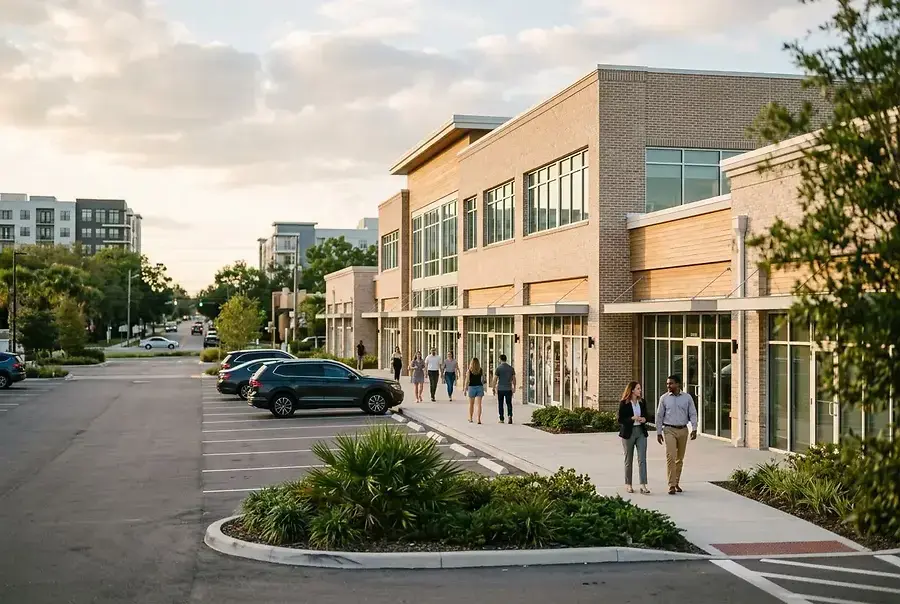
Understanding Lakeland's Commercial Zoning Districts and Regulations
Lakeland's commercial zoning system is designed to organize land use and maintain the integrity of different business districts throughout the city. Understanding these zoning classifications is fundamental for any property owner or developer planning a commercial venture in the area.
The city recognizes several primary commercial zoning districts, each with specific purposes and regulations. Central Business District (CBD) zones are typically located in downtown areas and allow for mixed-use development, retail operations, and office spaces. Commercial General (CG) zones accommodate a broader range of commercial activities, including retail, restaurants, and service businesses. Commercial Office (CO) zones are reserved primarily for professional offices and administrative functions.
Each zoning district comes with specific requirements regarding:
- Building height and setback requirements
- Lot coverage percentages
- Parking space ratios
- Signage regulations and limitations
- Permitted and conditional uses
- Environmental and landscaping standards
It's crucial to review the specific zoning code for your property before making any investment decisions. Lakeland's zoning ordinances are detailed and regularly updated to reflect community development goals. Property owners should consult the city's zoning map and comprehensive plan to understand how their location fits within the broader development framework.
Zoning Compliance and Permit Requirements for Commercial Development
Obtaining the Right Permits
Before breaking ground on any commercial project, you must obtain the appropriate permits from Lakeland's Development Services Department. The permit process ensures that your project complies with all applicable zoning regulations and building codes.
The primary permits required for commercial development include:
- Zoning Compliance Certificate: Confirms that your proposed use is permitted in your zoning district
- Site Development Plan Approval: Reviews the overall layout, parking, landscaping, and stormwater management
- Building Permit: Authorizes construction and ensures compliance with building codes
- Occupancy Permit: Issued upon completion, confirming the building is safe for use
The Application Process
The permit application process typically begins with submitting detailed site plans and architectural drawings to the Development Services Department. These documents must clearly show how your project complies with all zoning requirements, including setbacks, parking calculations, and building heights.
The review process generally takes 15-30 days for standard applications, though complex projects may require additional time. During this period, city staff will evaluate your submission against zoning codes, building standards, and comprehensive plan objectives. You may be required to revise your plans or provide additional information before approval is granted.
Ongoing Compliance Obligations
Zoning compliance doesn't end once your permit is issued. Property owners must maintain ongoing compliance with all zoning regulations throughout the life of their commercial operation. This includes:
- Maintaining proper signage in accordance with zoning limits
- Ensuring parking areas remain compliant with required ratios
- Preserving landscaping and environmental features as approved
- Adhering to use restrictions and operational guidelines
- Reporting any changes to your business operations that might affect zoning compliance
Common Zoning Challenges and Solutions for Property Owners
Non-Conforming Uses
One of the most common zoning challenges occurs when a property's current use doesn't conform to current zoning regulations. This often happens when zoning codes are updated or when a property changes hands. Non-conforming uses are typically allowed to continue, but they cannot be expanded or significantly modified without seeking a variance or conditional use permit.
Solution: If you own a non-conforming property, document your current use thoroughly and consult with the city to understand your rights and limitations. You may be able to apply for a conditional use permit to expand your operations legally.
Parking and Traffic Issues
Insufficient parking or traffic concerns frequently arise in commercial developments, particularly in older downtown areas. Zoning codes specify minimum parking ratios based on business type, and failing to meet these requirements can prevent project approval or operation.
Solution: Consider shared parking arrangements with neighboring properties, parking structures, or apply for a parking variance if you can demonstrate that standard requirements are impractical. Some municipalities also allow payment into parking funds as an alternative.
Conditional Use Permits
If your proposed use isn't explicitly permitted in your zoning district but is listed as a conditional use, you can apply for a Conditional Use Permit (CUP). This requires demonstrating that your use will not negatively impact the surrounding area and that you can meet specific conditions set by the city.
Solution: Prepare a comprehensive application showing how your business will benefit the community and address any potential concerns. Engage with neighbors early and be prepared to implement mitigation measures if required.
Variances and Appeals
When strict compliance with zoning regulations creates an undue hardship, property owners can request a variance. This requires demonstrating that your property has unique characteristics that make compliance impractical or that the regulation causes unnecessary hardship.
Solution: Work with a zoning attorney or consultant to build a strong variance application. Document the unique circumstances of your property and show how the variance won't negatively impact the community or surrounding properties.
Conclusion: Ensuring Your Commercial Investment Meets All Zoning Standards
Navigating Lakeland's commercial zoning laws requires careful attention to detail and a thorough understanding of local regulations. Protecting your commercial real estate investment begins with comprehensive zoning compliance from the project's inception.
Key takeaways for commercial property owners:
- Always verify your property's zoning classification and permitted uses before purchasing or developing
- Engage with the Development Services Department early in your planning process
- Maintain detailed records of your zoning compliance efforts
- Stay informed about zoning code updates that might affect your property
- Consider consulting with a zoning professional for complex projects or challenges
By understanding and respecting Lakeland's zoning framework, you can confidently move forward with your commercial projects while avoiding costly delays, fines, or forced modifications. Your success depends on proactive compliance and clear communication with city officials throughout the development process.