Why Home Inspections Matter in Today's Real Estate Climate
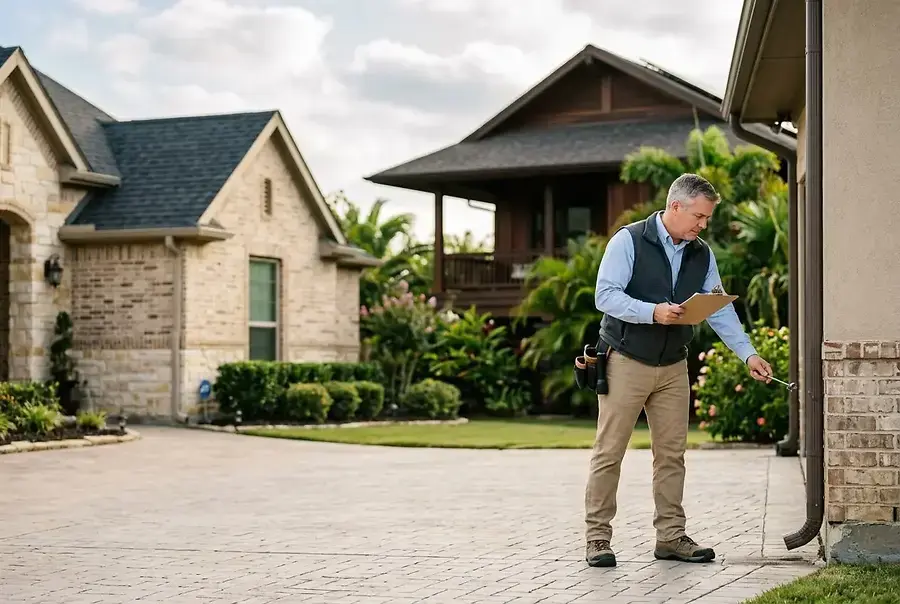
In today's competitive real estate market, a thorough home inspection is one of the most critical steps in the home-buying process. Whether you're purchasing in the Dallas-Fort Worth metroplex or the islands of Hawaii, understanding what inspectors evaluate can save you thousands of dollars in unexpected repairs and give you peace of mind about your investment.
Home inspections serve as your personal advocate during the buying process. A qualified inspector will examine the property's structural integrity, mechanical systems, and potential safety hazards. This detailed assessment provides you with the information needed to make informed decisions about your purchase, negotiate repairs, or walk away if significant issues are discovered.
Why this matters: Many buyers skip or rush through inspections to close deals faster, but this approach can lead to costly surprises after closing. In competitive markets like DFW and Hawaii, taking time for a thorough inspection demonstrates due diligence and protects your financial interests.
Critical Areas Inspectors Prioritize in DFW Properties
Foundation and Structural Integrity
The Texas climate, with its extreme heat and occasional freeze-thaw cycles, can be particularly tough on home foundations. DFW inspectors pay special attention to:
- Foundation cracks and settling patterns
- Signs of water damage or moisture intrusion
- Proper grading and drainage around the foundation
- Evidence of previous foundation repairs or underpinning
Pro tip: Ask your inspector about the home's foundation history. Many DFW homes have experienced minor settling, which is normal, but you want to ensure it's stable and not ongoing.
HVAC Systems and Energy Efficiency
With DFW's hot summers and occasional cold winters, HVAC systems work overtime. Inspectors evaluate:
- Age and condition of air conditioning units
- Proper refrigerant levels and system efficiency
- Ductwork integrity and insulation
- Thermostat functionality and programming capabilities
A well-maintained HVAC system can significantly impact your utility bills and comfort level. Don't overlook this critical system during your inspection.
Roof Condition and Weather Resistance
DFW experiences severe weather, including hail storms and high winds. Inspectors examine:
- Roof age and remaining lifespan
- Hail damage or missing shingles
- Proper ventilation and attic conditions
- Flashing around chimneys and vents
A roof replacement can cost $8,000-$15,000+, so understanding its condition is essential before purchase.
Plumbing and Water Systems
Texas water quality varies by region, and older homes may have outdated plumbing. Inspectors check:
- Water pressure and flow rates
- Pipe material and corrosion signs
- Water heater age and functionality
- Septic system condition (for rural properties)
Unique Inspection Considerations for Hawaii Residential Homes
Salt Air and Corrosion Issues
Hawaii's tropical climate presents unique challenges that mainland inspectors might not prioritize. The salt air accelerates corrosion of metal components, so inspectors focus on:
- Metal railings, fasteners, and hardware deterioration
- Air conditioning unit corrosion and efficiency
- Electrical system integrity and rust on panels
- Window and door frame degradation
This is critical: What appears as minor surface rust on the mainland could indicate serious structural concerns in Hawaii. Budget for more frequent maintenance and replacements.
Termite and Pest Damage
Hawaii's warm, humid climate is paradise for termites and other pests. Inspectors conduct thorough evaluations of:
- Wood framing for termite tunnels and damage
- Subfloor conditions and moisture levels
- Evidence of past or current pest infestations
- Effectiveness of existing pest control measures
Termite damage can be extensive and expensive to repair. Many Hawaii properties require regular pest inspections and preventative treatments.
Volcanic Rock and Lava Tube Considerations
Properties built on volcanic rock require specialized inspection attention:
- Foundation stability on uneven volcanic terrain
- Potential for lava tube collapses (in specific areas)
- Drainage issues related to porous volcanic rock
- Radon testing in homes built on volcanic substrates
If your Hawaii property is in an area with volcanic geology, ensure your inspector has specific experience with these conditions.
Tropical Weather and Hurricane Preparedness
Hawaii's hurricane season requires inspectors to evaluate:
- Roof attachment and wind resistance ratings
- Window and door impact resistance
- Proper drainage systems for heavy rainfall
- Structural reinforcement and tie-down systems
A home's ability to withstand tropical storms directly impacts insurance costs and long-term safety. Don't overlook these critical elements.
Water Quality and Plumbing Systems
Hawaii's water systems differ significantly from mainland infrastructure:
- Well water quality and testing results
- Saltwater intrusion in coastal properties
- Corrosion-resistant plumbing materials
- Water pressure and availability
Many Hawaii properties rely on private wells or catchment systems. Understanding your water source and quality is essential.
Taking Control of Your Home Purchase Decision
Whether you're buying in the bustling DFW market or the serene islands of Hawaii, a comprehensive home inspection is your best defense against costly surprises. Schedule your inspection early in the buying process, ask detailed questions, and don't hesitate to request a second opinion on significant findings.
Remember: A thorough inspection isn't an expense—it's an investment in your peace of mind and financial security.
By understanding what inspectors prioritize in your specific market, you're empowered to make informed decisions about your home purchase. Take control of the process, ask questions, and ensure your dream home is truly the right investment for your future.