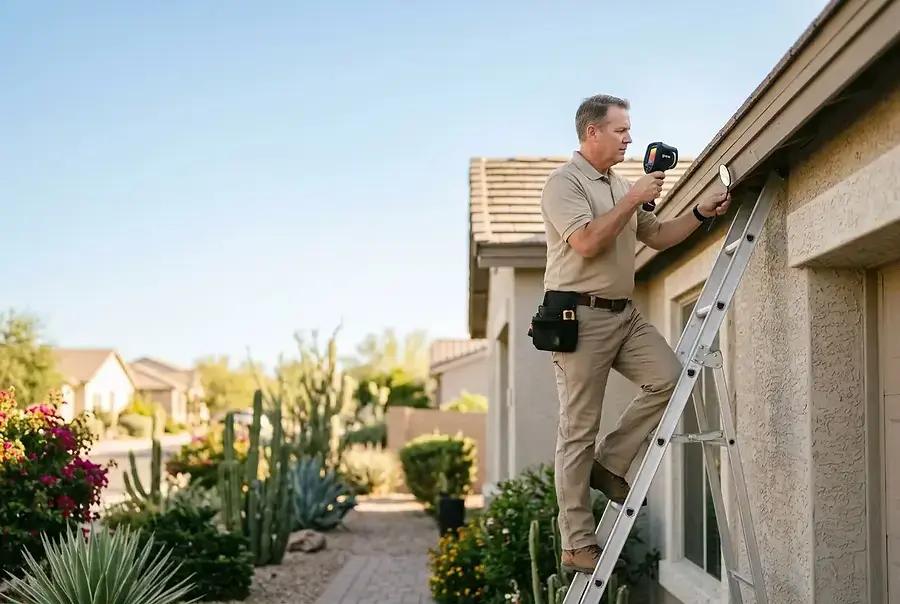
Understanding the Home Inspection Process
A home inspection is one of the most critical steps in the home-buying process, especially in the Arizona real estate market where desert conditions and unique climate challenges can affect property conditions. During a typical home inspection, a certified inspector will spend 2-3 hours examining the property's structural integrity, mechanical systems, and overall condition.
The inspection process involves a thorough walkthrough of the entire property, both inside and outside. The inspector will document their findings in a detailed report that becomes crucial information for your purchasing decision. Understanding what happens during this process helps you prepare questions and know what to expect when your inspector arrives.
Why Home Inspections Matter in Arizona
Arizona's unique climate presents specific challenges that differ from other regions. The intense heat, low humidity, and occasional monsoons can impact roofing materials, HVAC systems, and foundation integrity. A qualified inspector familiar with Arizona properties will understand these regional concerns and evaluate them accordingly.
Key Areas to Evaluate During Your Inspection
Roof and Exterior
The roof is your home's first line of defense against Arizona's harsh sun and occasional severe weather. During inspection, look for:
- Signs of wear, cracking, or missing shingles
- Proper ventilation and flashing around chimneys and vents
- Gutters and downspouts in good working condition
- Evidence of previous repairs or patches
- Age of the roof (Arizona roofs typically last 15-20 years due to sun exposure)
HVAC Systems
Your air conditioning system is essential in Arizona. Ensure the inspector thoroughly evaluates:
- Age and maintenance history of the AC unit
- Proper refrigerant levels and system efficiency
- Ductwork condition and proper insulation
- Thermostat functionality and accuracy
- Furnace condition (if applicable)
Plumbing and Water Systems
Arizona's water quality and mineral content can affect plumbing systems. Check for:
- Water pressure and flow rates throughout the home
- Signs of leaks or water damage
- Water heater age, condition, and capacity
- Pipe material and corrosion issues
- Proper drainage and septic system function (if applicable)
Electrical Systems
A safe electrical system is paramount. Your inspector should verify:
- Panel capacity and proper grounding
- Presence of GFCI outlets in wet areas
- Adequate wiring and no outdated aluminum wiring
- Proper circuit breaker labeling
- Overall safety compliance with current codes
Foundation and Structure
Arizona's soil composition can affect foundations. Look for:
- Visible cracks in the foundation or walls
- Signs of settling or shifting
- Proper grading around the foundation
- Moisture intrusion or water damage
- Structural integrity of walls and support beams
Red Flags and Negotiation Strategies
Common Red Flags to Watch For
Major concerns that warrant serious consideration include:
- Foundation cracks larger than 1/4 inch or multiple cracks
- AC systems over 15 years old requiring imminent replacement
- Roof damage or age approaching end of life
- Evidence of mold, pest infestation, or water damage
- Outdated electrical systems or safety hazards
- Plumbing issues indicating corrosion or leaks
Minor issues like worn caulking, small cosmetic damage, or routine maintenance needs are typically less concerning but should still be documented.
Negotiation Strategies
Once you receive the inspection report, you have several options:
- Request repairs: Ask the seller to fix major issues before closing
- Request credits: Negotiate a price reduction to cover repair costs yourself
- Request inspections: Ask for specialized inspections (pest, pool, foundation) for specific concerns
- Walk away: If issues are too severe, you may choose to terminate the purchase
In the competitive Arizona real estate market, being strategic about your requests increases the likelihood of successful negotiations. Focus on major structural and safety issues rather than cosmetic concerns.
Next Steps After Your Inspection
Review and Analysis
Take time to thoroughly review the inspection report with your real estate agent. Ask questions about any items you don't understand and research the cost of potential repairs. This information will guide your negotiation strategy and help you make an informed decision.
Specialized Inspections
Depending on the inspection findings, you may want to hire specialists for:
- Pest and termite inspections
- Pool and spa evaluations
- Foundation engineering assessments
- Mold testing and remediation estimates
- Radon testing (important in some Arizona areas)
Final Walkthrough
Before closing, conduct a final walkthrough to ensure any agreed-upon repairs have been completed and the property condition matches the inspection report. This is your last opportunity to verify everything is in order.
Closing Preparation
Use the inspection information to finalize your financing and insurance arrangements. Some lenders may require certain repairs before funding, and your homeowner's insurance company may need to know about specific conditions.
Remember: A thorough home inspection protects your investment and provides peace of mind. Whether you're buying in Glendale, Scottsdale, Peoria, or elsewhere in Arizona, taking the inspection process seriously is essential for a successful real estate transaction.