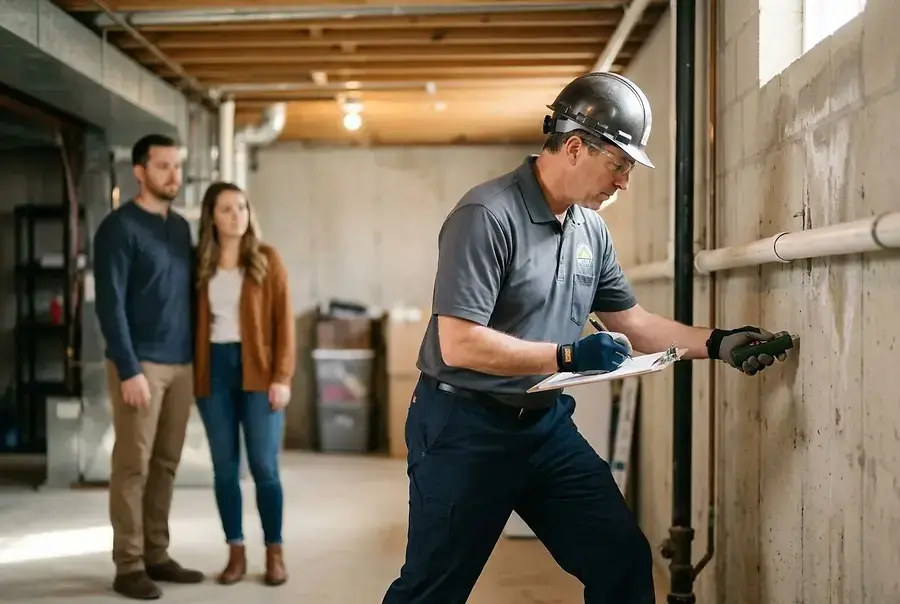
Why Home Inspections Matter in Suburban Milwaukee's Competitive Market
The suburban Milwaukee real estate market moves fast. Homes in desirable communities like Waukesha, Menomonee Falls, Caledonia, Oconomowoc, and Mequon attract multiple offers within days of listing. In this competitive environment, it's easy to get caught up in the excitement and overlook one of the most critical steps in the home-buying process: the professional home inspection.
A thorough home inspection is your opportunity to uncover hidden problems before you sign the final paperwork. It protects your investment, informs your negotiating position, and gives you peace of mind about your purchase. Whether you're a first-time buyer or an experienced investor, understanding what inspectors look for and how to interpret their findings is essential.
Common Issues Found in Suburban Milwaukee Homes and What They Mean for Your Investment
Roof and Attic Concerns
Suburban Milwaukee homes often experience significant weather exposure, making roof condition a critical inspection point. Inspectors will evaluate shingle age, signs of leaks, flashing integrity, and ventilation. Many homes in the area are 20-40 years old, meaning roofs may be nearing the end of their lifespan. A roof replacement can cost $8,000-$15,000 or more, so understanding its remaining life is crucial for your budget planning.
Foundation and Basement Issues
The clay-heavy soil common in suburban Milwaukee can lead to foundation settling and basement moisture problems. Inspectors will look for:
- Cracks in foundation walls or floors
- Water stains or active moisture
- Efflorescence (white mineral deposits)
- Signs of previous water damage or mold
These issues range from cosmetic to serious structural concerns. Don't ignore basement moisture—it can lead to mold growth and structural damage if left untreated.
HVAC Systems
Heating and cooling systems in older suburban homes may be outdated or near the end of their service life. Inspectors evaluate furnace age, air conditioning efficiency, and ductwork condition. Replacing a complete HVAC system typically costs $5,000-$10,000, making this a significant consideration for your post-purchase budget.
Plumbing and Water Quality
Older homes may have outdated plumbing materials like galvanized steel or polybutylene pipes, which can affect water quality and require replacement. Inspectors will also check water pressure, drainage, and the condition of visible pipes. Plumbing updates can be expensive, so understanding the scope of work needed is important.
Electrical Systems
Outdated electrical panels, insufficient outlets, and aging wiring are common in suburban Milwaukee homes. Inspectors verify that the electrical system meets current safety standards and can handle modern household demands. Upgrading an electrical panel or rewiring sections of a home requires a licensed electrician and can cost $3,000-$8,000.
Red Flags vs. Minor Repairs: How to Prioritize Inspection Findings
Critical Red Flags That Should Concern You
Some inspection findings indicate serious problems that could affect your safety or investment value:
- Structural damage: Foundation cracks, sagging floors, or compromised support beams require immediate professional evaluation
- Active mold or severe moisture: These indicate ongoing water intrusion and potential health hazards
- Outdated electrical panels or knob-and-tube wiring: These pose fire and safety risks
- Failing septic systems: Replacement costs can exceed $10,000
- Asbestos or lead paint: These require professional remediation and add significant costs
When you encounter red flags, consider hiring a specialist for further evaluation before proceeding with your purchase.
Minor Repairs You Can Live With
Not every inspection finding requires immediate action. Minor issues that typically don't affect your decision include:
- Cosmetic damage like worn caulking or paint
- Missing or damaged exterior trim
- Worn weatherstripping
- Minor drywall damage
- Outdated fixtures that function properly
These items can often be addressed gradually after purchase or negotiated into the sale price.
The Middle Ground: Significant But Manageable Issues
Many inspection findings fall between minor and critical. A roof with 5-10 years of life remaining, an aging HVAC system still functioning, or outdated plumbing that works but may need replacement soon are examples. For these issues, use the inspection report to negotiate. You might request the seller make repairs, offer a credit toward repairs, or reduce the purchase price to account for future work.
Using Inspection Results to Negotiate and Protect Your Home Purchase
A professional inspection report is a powerful negotiating tool. Here's how to use it effectively:
Request Repairs or Credits
After receiving the inspection report, you have the right to request that the seller address critical issues before closing. For less urgent matters, you might negotiate a credit toward repairs you'll handle yourself. Be reasonable in your requests—sellers are more likely to cooperate if you focus on legitimate safety and structural concerns rather than cosmetic issues.
Get Second Opinions on Major Issues
If the inspection reveals significant problems, hire specialists to evaluate them further. A structural engineer, roofer, or plumber can provide detailed assessments and cost estimates. This information strengthens your negotiating position and helps you make informed decisions.
Plan Your Post-Purchase Budget
Use the inspection report to create a realistic post-purchase maintenance and repair budget. Prioritize critical issues and plan for necessary updates over the next few years. This prevents financial surprises and helps you manage your investment wisely.
Walk Away If Necessary
If the inspection reveals extensive problems that would require major repairs or if the seller refuses to address critical safety issues, you have the right to walk away. Your inspection contingency protects you—use it if the home doesn't meet your expectations or budget.
Conclusion: Protecting Your Suburban Milwaukee Home Investment
A comprehensive home inspection is one of the smartest investments you can make as a homebuyer in suburban Milwaukee. By understanding common issues in the area, knowing how to prioritize inspection findings, and using the report strategically in negotiations, you protect your financial investment and ensure you're making an informed decision.
Don't let the competitive market pressure you into skipping this critical step. A thorough inspection takes a few hours but can save you thousands of dollars and countless headaches down the road. Work with a qualified inspector, review the report carefully, and use the findings to negotiate confidently. Your future self will thank you for the diligence.