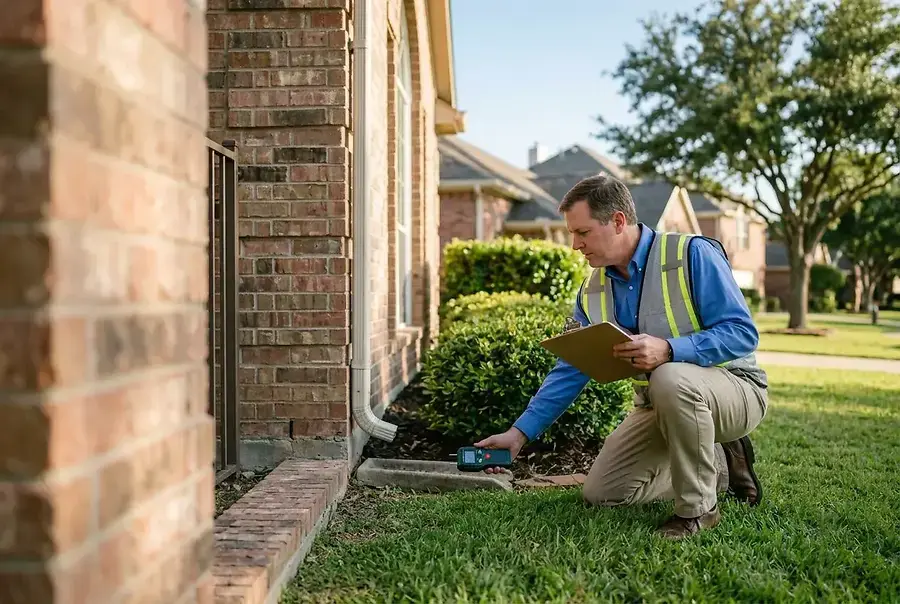
Why Home Inspections Matter in North Texas
Purchasing a home is one of the most significant investments you'll make in your lifetime. In North Texas, where properties face unique environmental and climate challenges, a thorough home inspection becomes even more critical. Whether you're buying in Dallas, Fort Worth, or surrounding areas, understanding what inspectors look for can help you make informed decisions and avoid costly surprises down the road.
A professional home inspection provides an objective assessment of a property's condition, identifying potential issues before you commit to the purchase. This is especially important in North Texas, where the climate and soil conditions create specific vulnerabilities that buyers should understand.
Climate-Related Issues: Foundation, Drainage, and Weather Damage
Foundation Concerns in North Texas
The expansive clay soil common throughout North Texas is one of the most significant factors affecting home foundations. This soil expands when wet and contracts when dry, causing foundation movement and potential structural damage. During inspections, professionals pay close attention to:
- Visible cracks in foundation walls or concrete slabs
- Uneven or sloping floors inside the home
- Doors and windows that stick or don't close properly
- Gaps between walls and ceilings
- Signs of previous foundation repairs or underpinning
Pro tip: Ask your inspector about the foundation's history and whether any repairs have been made. Understanding past issues helps predict future maintenance needs.
Drainage and Water Management
North Texas experiences heavy rainfall during spring and summer months, making proper drainage essential. Poor drainage can lead to foundation problems, basement flooding, and structural damage. Inspectors evaluate:
- Grading around the property to ensure water flows away from the foundation
- Gutters and downspout conditions and proper extension
- Presence and functionality of sump pumps or drainage systems
- Signs of water intrusion in basements or crawl spaces
- Landscape features that may impede water flow
Proper drainage maintenance can prevent thousands of dollars in foundation repairs, making this one of the most important inspection areas.
Weather-Related Damage
North Texas is susceptible to severe weather, including hail, high winds, and occasional tornadoes. Inspectors look for:
- Roof damage, missing shingles, or signs of previous repairs
- Damaged or missing siding
- Broken windows or damaged window frames
- Compromised seals around doors and windows
- Evidence of water damage from weather events
Structural and System Evaluations: What Inspectors Look For
Roof and Attic Inspection
The roof is your home's first line of defense against North Texas weather. A thorough inspection includes checking the roof's age, condition, and remaining lifespan. Inspectors examine:
- Roof material condition and age
- Proper ventilation in the attic
- Signs of leaks or water damage
- Adequate insulation levels
- Structural integrity of roof framing
Electrical Systems
Electrical safety is paramount in any home inspection. North Texas inspectors verify that systems meet current safety standards and can handle modern electrical demands. Key areas include:
- Panel capacity and condition
- Proper grounding and bonding
- GFCI outlets in wet areas
- Outdated wiring that may need replacement
- Proper circuit breaker operation
Plumbing and Water Systems
Water quality and plumbing integrity are essential considerations. Inspectors check:
- Water pressure and flow rates
- Pipe material and condition (galvanized, copper, PVC)
- Water heater age and functionality
- Signs of leaks or corrosion
- Proper drainage throughout the home
Note: North Texas water can be hard and mineral-rich, which may affect pipes and appliances over time.
HVAC Systems
With hot summers and occasional cold winters, a properly functioning HVAC system is crucial. Inspectors evaluate:
- Age and condition of heating and cooling units
- System efficiency and capacity
- Proper ductwork installation and sealing
- Thermostat functionality
- Maintenance records and service history
Interior and Exterior Components
Beyond major systems, inspectors examine numerous other elements:
- Doors and windows for proper operation and sealing
- Interior walls and ceilings for damage or stains
- Flooring condition and stability
- Exterior paint, siding, and trim condition
- Deck or patio safety and structural integrity
- Garage doors and openers
Making Informed Decisions with Inspection Reports
Once the inspection is complete, you'll receive a detailed report outlining all findings. Don't skip reading this document—it's your roadmap to understanding the property's true condition.
A professional home inspection is an investment in peace of mind and financial protection. The cost of an inspection is minimal compared to the potential cost of undiscovered problems.
Use the inspection report to:
- Identify any deal-breaker issues that require negotiation
- Understand maintenance needs and timelines
- Plan for future repairs and budgeting
- Request seller repairs or credits for identified issues
- Establish a maintenance schedule for the property
In North Texas, where foundation and weather-related issues are common, a thorough inspection is not just recommended—it's essential. By understanding what inspectors look for and asking the right questions, you can protect your investment and make a confident purchasing decision.
Remember, the goal of a home inspection is to give you complete transparency about the property's condition. Armed with this knowledge, you can move forward with your North Texas home purchase with confidence and clarity.