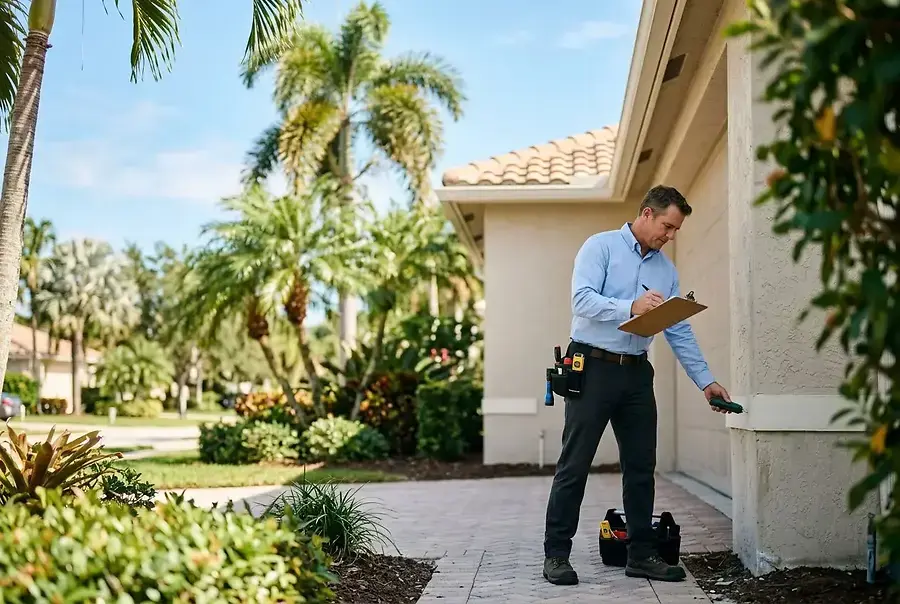
Why Home Inspections Matter in Palm Beach County
Purchasing a home in Palm Beach County is one of the most significant investments you'll make in your lifetime. The competitive real estate market in South Florida demands that buyers be thorough and informed before committing to a property. A professional home inspection is your opportunity to uncover potential issues that could cost thousands of dollars in repairs down the road.
Unlike many other regions, Palm Beach County properties face unique environmental challenges that require special attention during inspections. From hurricane damage to salt-air corrosion and moisture-related issues, understanding what to look for can save you from costly surprises after closing.
A comprehensive home inspection protects your investment by providing a detailed assessment of the property's condition. This knowledge empowers you to negotiate repairs, request credits, or make an informed decision about whether to proceed with the purchase.
Key Areas to Inspect: Foundation, Roof, Plumbing, and Electrical Systems
Foundation and Structural Integrity
The foundation is the backbone of any home. In Palm Beach County, where soil conditions and moisture levels can vary significantly, foundation issues are particularly common. During your inspection, look for:
- Visible cracks in the foundation or concrete slabs
- Signs of settling or uneven floors
- Water intrusion or dampness in the basement or crawl space
- Gaps between walls and the foundation
- Evidence of previous foundation repairs
Pro tip: Request a separate foundation inspection if the initial assessment reveals any concerns. This specialized evaluation can provide peace of mind or help you understand the scope of necessary repairs.
Roof Condition and Durability
Your roof is your home's first line of defense against South Florida's intense weather. A thorough roof inspection should examine:
- Age and remaining lifespan of roofing materials
- Missing, cracked, or curling shingles
- Proper flashing around chimneys, vents, and skylights
- Signs of leaks or water damage in the attic
- Adequate ventilation and insulation
- Condition of gutters and downspouts
Given the region's hurricane season, ensure your roof meets current building codes and has been properly maintained. Many insurance companies require roofs to be less than 20-25 years old, so this assessment is crucial for your long-term costs.
Plumbing Systems
Florida's unique water chemistry and high humidity create specific plumbing challenges. During your inspection, verify:
- Water pressure and flow rates throughout the home
- Condition of pipes (copper, PVC, or polybutylene)
- Presence of corrosion or mineral buildup
- Functionality of all fixtures and drains
- Water heater age and condition
- Proper grading to prevent water pooling near the foundation
Polybutylene pipes are a particular concern in older Florida homes. If present, budget for replacement as these pipes are prone to failure and may affect your insurance rates.
Electrical Systems
A safe electrical system is non-negotiable. Your inspector should evaluate:
- Panel capacity and condition of the main breaker box
- Presence of outdated wiring (aluminum or knob-and-tube)
- Proper grounding and bonding throughout the home
- GFCI outlets in wet areas (kitchens, bathrooms, outdoor spaces)
- Adequate number of outlets and circuits
- Compliance with current electrical codes
Outdated electrical systems may require upgrades to meet current safety standards and insurance requirements. This is an important factor in your overall assessment of repair costs.
Environmental Considerations: Hurricane Preparedness and Coastal Concerns
Hurricane Readiness and Wind Resistance
Living in Palm Beach County means preparing for hurricane season. Your inspection should assess the property's ability to withstand severe weather:
- Impact-resistant windows and doors
- Roof straps and reinforcement
- Proper installation of hurricane shutters or protection systems
- Structural reinforcement at vulnerable points
- Condition of exterior walls and siding
Properties with hurricane-resistant features often qualify for insurance discounts and provide greater peace of mind during storm season.
Moisture and Mold Concerns
South Florida's humid climate creates ideal conditions for mold growth. Look for:
- Signs of water damage or staining on ceilings and walls
- Musty odors indicating moisture problems
- Visible mold in bathrooms, basements, or crawl spaces
- Proper ventilation in high-moisture areas
- Adequate drainage around the property
Mold remediation can be expensive and time-consuming. If you suspect mold issues, request a specialized mold inspection before finalizing your purchase.
Flood Risk and Elevation
Understanding flood risk is essential in Palm Beach County. During your inspection, consider:
- Property elevation relative to flood zones
- Flood insurance requirements and costs
- Evidence of previous flooding or water damage
- Sump pump functionality and backup systems
- Proper grading and drainage away from the structure
Request the property's flood zone designation and flood insurance history. This information directly impacts your insurance costs and long-term financial planning.
Using Inspection Results to Make Confident Purchase Decisions
Once your home inspection is complete, you'll receive a detailed report outlining the property's condition. Use this information strategically:
Negotiate repairs or credits: If significant issues are discovered, request that the seller address them before closing or provide a credit toward repairs. Major issues like foundation problems or roof replacement should be addressed by the seller.
Budget for future maintenance: Even minor issues add up. Use the inspection report to create a realistic maintenance budget for the first few years of ownership.
Verify insurance eligibility: Share inspection findings with your insurance agent to ensure the property meets underwriting requirements and to understand your premium costs.
Make an informed decision: Armed with complete information about the property's condition, you can confidently decide whether to proceed, renegotiate, or walk away from the deal.
A thorough home inspection is an investment in your peace of mind. By understanding what to look for and asking the right questions, you'll protect your investment and make a confident decision about your Palm Beach County home purchase.