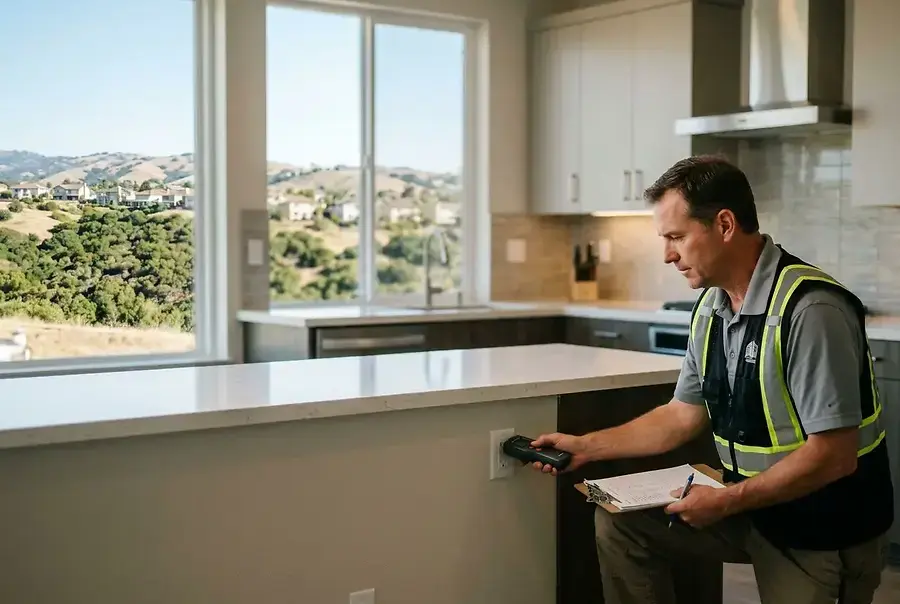
Why Home Inspections Matter in Competitive Bay Area Markets
In the fast-paced Bay Area real estate market, home inspections are more critical than ever. With properties selling quickly and competition fierce, many buyers feel pressured to waive inspections or skip thorough evaluations. This is a mistake that can cost you thousands of dollars.
A professional home inspection provides an objective assessment of a property's condition before you commit to one of the largest purchases of your life. In Silicon Valley's competitive landscape, where homes often sell above asking price within days, an inspection serves as your financial safeguard and negotiating tool.
The Bay Area's unique climate, aging housing stock, and construction styles create specific challenges that inspectors are trained to identify. From foundation issues in older homes to water damage from heavy rains, understanding what to expect during an inspection helps you make informed decisions.
Common Issues Found in Santa Clara, San Jose, and San Mateo Homes
Water Damage and Moisture Problems
The Bay Area's winter rains and coastal moisture create ideal conditions for water intrusion. Inspectors commonly find:
- Roof leaks and damaged shingles
- Foundation cracks allowing water seepage
- Inadequate drainage around the property
- Mold growth in attics and crawl spaces
- Damaged or missing gutters and downspouts
Water damage is expensive to repair and can compromise structural integrity if left untreated. Early detection during inspection can save you from costly remediation later.
Electrical and Plumbing Systems
Many Bay Area homes, particularly those built before the 1980s, have outdated electrical systems that don't meet current safety standards. Common findings include:
- Aluminum wiring (a fire hazard)
- Insufficient electrical capacity for modern appliances
- Outdated plumbing with galvanized pipes prone to corrosion
- Polybutylene pipes that deteriorate over time
- Inadequate grounding and bonding
These issues require professional upgrades and should be factored into your negotiation strategy.
Foundation and Structural Concerns
Bay Area properties sit in seismically active zones, making foundation stability paramount. Inspectors look for:
- Cracks in concrete slabs and foundations
- Uneven settling or sloping floors
- Inadequate seismic bracing
- Deteriorating support beams
- Poor ventilation in crawl spaces
Structural issues can be serious and expensive, making them critical negotiation points.
HVAC and Insulation
Energy efficiency matters in the Bay Area. Inspectors evaluate:
- Age and condition of heating and cooling systems
- Inadequate insulation in attics and walls
- Inefficient windows and doors
- Missing or damaged weatherstripping
Red Flags That Could Impact Your Purchase Decision
Major Structural Issues
Walk away or renegotiate significantly if inspectors find major structural problems. These include severe foundation cracks, evidence of previous earthquakes damage, or extensive dry rot in wooden support structures. Repairs can easily exceed $50,000 or more.
Mold and Asbestos
Extensive mold growth or asbestos-containing materials require professional remediation. These health hazards should trigger serious negotiations or reconsideration of the purchase.
Outdated Safety Systems
Properties lacking proper electrical grounding, gas line safety features, or fire safety systems present liability and safety risks. Ensure the seller addresses these before closing.
Roof Condition
A roof nearing the end of its lifespan (typically 20-25 years) will need replacement soon. This is an expensive repair that should be reflected in your offer price.
Septic System Issues
For properties with septic systems, failed inspections indicate costly repairs ahead. Request a specialized septic inspection if the main inspection raises concerns.
Next Steps: Using Inspection Results to Negotiate Your Best Deal
Request a Professional Inspection
Schedule your inspection within the timeframe specified in your purchase agreement—typically 7-10 days. Attend the inspection if possible to ask questions and understand issues firsthand.
Review the Report Carefully
Don't just skim the summary. Read detailed findings and understand the severity of each issue. Categorize problems as:
- Critical: Safety hazards or major structural issues
- Important: Systems needing replacement within 5 years
- Minor: Cosmetic or easily fixable issues
Get Repair Estimates
For significant issues, obtain written estimates from licensed contractors. This documentation strengthens your negotiating position and provides concrete numbers for repair costs.
Negotiate Strategically
You have several options:
- Request the seller make repairs before closing
- Ask for a price reduction to cover repair costs
- Request a credit at closing for repairs you'll handle
- Walk away if issues are too severe or costly
In the Bay Area's competitive market, sellers often prefer price reductions over making repairs themselves. This gives you flexibility and control over the work quality.
Don't Skip the Final Walkthrough
Before closing, conduct a final walkthrough to confirm agreed-upon repairs were completed and the property's condition hasn't changed.
Remember: A home inspection is not a deal-killer—it's a deal-protector. Armed with detailed information about a property's condition, you can make confident decisions and negotiate from a position of knowledge in the competitive Bay Area market.
By understanding what inspectors look for and how to use their findings, you'll protect your investment and ensure your Bay Area home purchase is a smart financial decision for years to come.