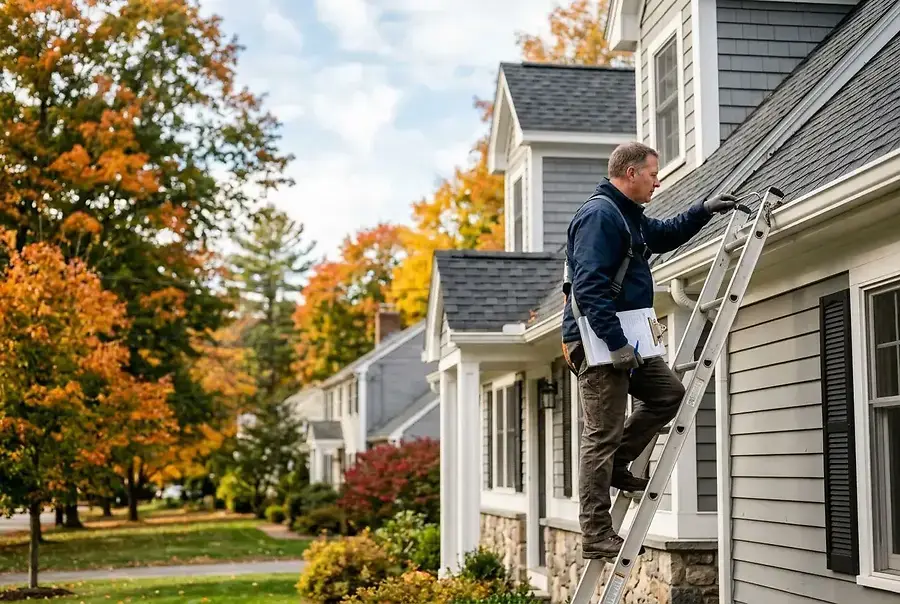
What Home Inspectors Evaluate in Central New Hampshire Properties
When purchasing a home in Central New Hampshire, a professional home inspection is one of the most critical steps in the buying process. Inspectors conduct a thorough evaluation of the property's structural integrity, mechanical systems, and overall condition. Understanding what they examine can help you prepare for the inspection and know what questions to ask.
Structural Components
Home inspectors begin by assessing the foundation, walls, and roof structure. They look for signs of settling, cracks, water damage, and structural deterioration. In Central New Hampshire, where homes experience significant seasonal changes and freeze-thaw cycles, foundation issues are particularly important to identify early. Inspectors will examine the basement or crawl space for moisture intrusion, which is common in older New England homes.
Roofing and Exterior
The roof is one of the most expensive components to replace, so inspectors pay close attention to its condition. They evaluate shingle integrity, flashing, gutters, and downspouts. The exterior walls, windows, doors, and siding are also examined for weathering, gaps, and proper drainage. This is especially crucial in New Hampshire, where harsh winters and heavy snow loads can accelerate wear and tear.
Mechanical Systems
Inspectors thoroughly test heating systems, air conditioning units, plumbing, and electrical systems. They verify that systems are functioning properly and safely. In Central New Hampshire, heating systems are particularly important given the long, cold winters. Inspectors will check furnaces, heat pumps, and any backup heating sources for efficiency and safety.
Common Issues Found in Homes Across Bedford, Manchester, and Surrounding Areas
Certain issues appear frequently in Central New Hampshire properties due to the region's climate, age of housing stock, and local building practices. Being aware of these common problems can help you evaluate inspection reports more effectively.
Water Damage and Moisture Issues
Water intrusion is one of the most prevalent issues in the region. Basements and crawl spaces often show signs of moisture, efflorescence, or previous water damage. Ice dams during winter months can force water under roofing materials, causing hidden damage that may not be immediately visible. Inspectors will look for water stains, mold growth, and dampness in these vulnerable areas.
Aging Heating Systems
Many homes in Central New Hampshire have older heating systems that are nearing the end of their lifespan. Oil-fired furnaces, in particular, are common in the region and may require replacement or significant maintenance. Inspectors will note the age and condition of heating equipment, as replacement costs can be substantial.
Roof and Attic Concerns
Roof deterioration, inadequate ventilation, and insufficient insulation are frequently identified issues. Heavy snow loads in winter can accelerate shingle wear and cause structural stress. Attic inspections often reveal inadequate ventilation, which can lead to moisture problems and reduced energy efficiency.
Electrical System Updates
Older homes may have outdated electrical systems with insufficient capacity for modern appliances and devices. Inspectors look for outdated wiring, inadequate grounding, and insufficient outlets. Knob-and-tube wiring, found in some older Central New Hampshire homes, is a particular concern for both safety and insurance purposes.
Plumbing and Water Quality
Aging pipes, corrosion, and water pressure issues are common findings. Many homes rely on well water rather than municipal systems, which requires additional testing. Inspectors will evaluate water quality, pressure, and the condition of pipes throughout the home.
How to Prepare for Your Home Inspection and Review the Report
Proper preparation can make your home inspection more productive and help you get the most value from the process.
Before the Inspection
- Ensure the property is accessible, including attics, basements, and crawl spaces
- Make sure utilities are turned on so systems can be tested
- Clear pathways and remove obstacles that might hinder the inspector's access
- Gather any available documentation about recent repairs or system replacements
- Prepare a list of specific concerns or areas you want the inspector to focus on
During the Inspection
Attend the inspection if possible. This gives you the opportunity to ask questions, understand the property's condition firsthand, and learn about maintenance requirements. Take notes on areas of concern and ask the inspector to explain findings in detail. Request clarification on any technical terminology or recommendations.
Reviewing the Report
Home inspection reports typically categorize findings by severity. Pay special attention to items marked as safety concerns or major repairs needed. The report should include photographs and detailed descriptions of issues. Don't hesitate to hire a specialist for follow-up evaluations on significant concerns, such as foundation problems or HVAC system issues.
Using Inspection Results to Negotiate and Make Confident Offers
The inspection report is a powerful negotiating tool that can help you make informed decisions about your purchase.
Evaluating Repair Costs
Obtain repair estimates for significant issues identified in the inspection. This gives you concrete numbers to work with during negotiations. For major systems like roofing, heating, or electrical work, getting multiple quotes from licensed contractors in Central New Hampshire can help establish fair pricing.
Negotiation Strategies
You have several options when the inspection reveals problems:
- Request repairs: Ask the seller to fix identified issues before closing
- Request credits: Negotiate a reduction in the purchase price to cover repair costs
- Request inspections: Ask for specialized inspections on specific systems or concerns
- Renegotiate terms: Adjust closing timelines or other contract terms based on findings
Making Your Final Decision
Use the inspection report to evaluate whether the property represents good value at the agreed-upon price. Consider the age of major systems, the extent of deferred maintenance, and your willingness to take on repairs. Remember that no home is perfect, but understanding what you're buying allows you to make a confident, informed decision.
A thorough home inspection is an investment in your peace of mind and financial security. By understanding what inspectors evaluate, recognizing common regional issues, and knowing how to use inspection results effectively, you'll be well-equipped to navigate the home buying process in Central New Hampshire with confidence.