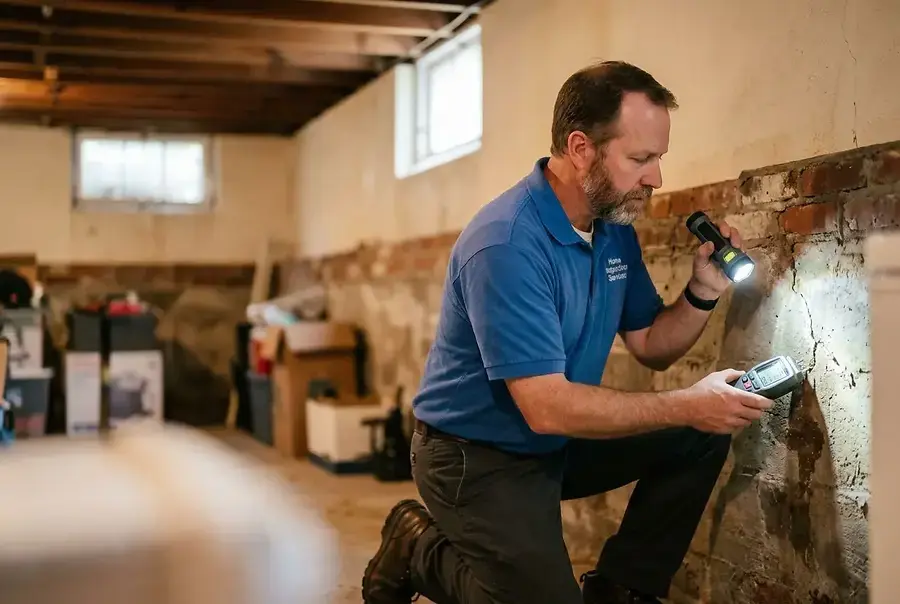
Why Home Inspections Matter in Central New York's Varied Housing Stock
Purchasing a home is one of the most significant investments you'll make in your lifetime. In Central New York, where properties range from historic Victorian homes to modern suburban developments, a thorough home inspection is absolutely critical. The region's unique climate, aging housing stock, and diverse architectural styles create specific challenges that every homebuyer should understand before signing on the dotted line.
A professional home inspection provides an objective assessment of a property's condition, identifying potential issues that could cost thousands of dollars to repair. In Central New York's competitive real estate market, having this knowledge empowers you to negotiate effectively, plan for future maintenance, and avoid costly surprises after closing.
Key Areas to Inspect in Central New York Homes: Climate, Age, and Regional Concerns
Foundation and Basement Integrity
Central New York's freeze-thaw cycles are particularly harsh on foundations. Inspectors should look for:
- Cracks in concrete or stone foundations – Both horizontal and vertical cracks warrant attention
- Water intrusion and moisture damage – Basements are vulnerable to groundwater seepage
- Efflorescence – White mineral deposits indicating water movement through foundation walls
- Settling or shifting – More common in older Central New York homes built on unstable soil
Roof and Attic Condition
With heavy snow loads and significant seasonal temperature changes, your roof is your first line of defense. Pay special attention to:
- Shingle condition and age – Most roofs last 15-25 years; Central New York's weather accelerates deterioration
- Proper ventilation – Essential for preventing ice dams and moisture buildup
- Flashing integrity – Gaps around chimneys and vents are common problem areas
- Attic insulation levels – Critical for energy efficiency in our cold winters
Heating Systems and Energy Efficiency
Central New York winters demand reliable heating. Inspectors should evaluate:
- Furnace age and condition – Systems over 15-20 years old may need replacement soon
- Boiler functionality – Common in older Syracuse metro properties
- Ductwork condition – Leaks reduce efficiency significantly
- Thermostat operation – Programmable systems help manage heating costs
Plumbing and Water Systems
Central New York's water quality and seasonal freeze risks create unique plumbing concerns:
- Pipe material and age – Galvanized pipes corrode over time; copper and PVC are preferable
- Water pressure and flow – Indicates overall system health
- Sump pump functionality – Essential in areas prone to basement flooding
- Well water quality – If applicable, testing is crucial for rural properties
Red Flags and Common Issues Found in Syracuse Metro Area Properties
Structural Problems in Older Homes
Many Central New York properties were built in the late 1800s and early 1900s. Watch for sagging floors, bowing walls, and deteriorating wooden support beams – these indicate serious structural issues that require professional assessment and potentially expensive repairs.
Asbestos and Lead Paint
Homes built before the 1980s commonly contain asbestos in insulation, floor tiles, and pipe wrapping. Lead paint is present in virtually all homes built before 1978. While not always dangerous if undisturbed, these materials require careful handling during renovations. Professional testing and disclosure are essential.
Poor Drainage and Grading
Central New York's precipitation and snowmelt create drainage challenges. Improper grading around the foundation, clogged gutters, and missing downspout extensions can lead to serious water damage. Ensure water slopes away from the home and gutters direct water at least 4-6 feet from the foundation.
Outdated Electrical Systems
Older homes may have:
- Knob-and-tube wiring – A fire hazard that should be replaced
- Insufficient electrical capacity – Modern homes need more circuits than older properties provided
- Ungrounded outlets – Safety concern for modern appliances
- Overloaded panels – Indicates potential fire risk
HVAC System Deficiencies
Beyond furnace age, look for air conditioning units that are undersized for the home, inadequate ductwork, and poor insulation in attics and crawl spaces. These issues directly impact your heating and cooling costs throughout the year.
Pest and Moisture Damage
Central New York's climate attracts various pests. Termite damage, carpenter ant infestations, and rodent entry points are common findings. Additionally, moisture problems in crawl spaces and basements can lead to mold growth and structural decay.
Using Inspection Insights to Make Confident Purchase Decisions
Understanding Your Inspection Report
A thorough home inspection report will categorize findings by severity. Critical issues require immediate attention, while minor concerns can often be addressed during future renovations. Don't panic over every finding – focus on major systems and structural integrity.
Negotiating Based on Inspection Results
Use your inspection report as a negotiation tool. You can request:
- Seller repairs for critical issues
- Credits toward closing costs for deferred maintenance
- Price reductions reflecting necessary repairs
- Extended closing timelines for additional inspections
Planning for Future Maintenance
Even homes in excellent condition require ongoing maintenance. Create a prioritized list of repairs and improvements based on your inspection findings. This helps you budget for necessary work and plan renovations strategically.
Getting a Second Opinion
For significant issues, consider hiring a specialist inspector. Structural engineers, electricians, and HVAC technicians can provide detailed assessments that help you understand repair costs and timelines more accurately.
A home inspection is your opportunity to make an informed decision about one of life's biggest purchases. In Central New York's diverse housing market, understanding regional challenges and property-specific concerns ensures you're investing wisely.
By prioritizing these inspection areas and understanding common Central New York issues, you'll approach your home purchase with confidence and clarity. Take the time to thoroughly evaluate any property before committing – it's an investment that pays dividends for years to come.
