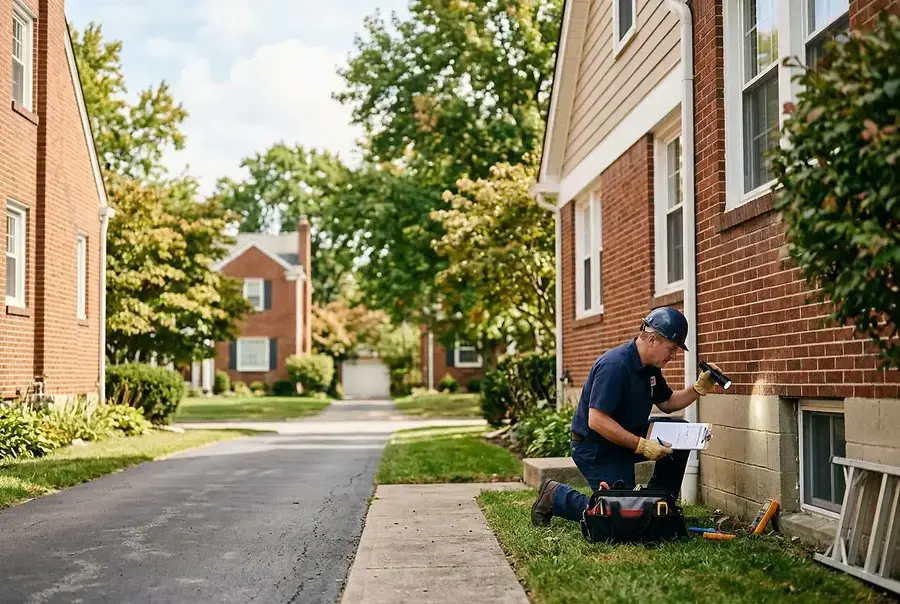
Why Home Inspections Matter in the Central Ohio Market
Purchasing a home is one of the most significant financial decisions you'll make. In the Central Ohio market—including communities like Worthington, New Albany, Powell, and surrounding Columbus areas—a professional home inspection is your first line of defense against costly surprises. An inspection provides an objective assessment of a property's condition, helping you understand exactly what you're buying.
Many first-time homebuyers underestimate the importance of inspections, viewing them as an optional expense. However, a thorough inspection can reveal hidden issues that might cost thousands to repair. In Central Ohio's diverse housing market, where properties range from historic homes to newer developments, inspections are particularly valuable for identifying region-specific concerns.
A quality home inspection protects your investment and gives you the information needed to make confident decisions. Whether you're buying in an established neighborhood or a newer subdivision, understanding what inspectors evaluate ensures you're fully informed before closing.
Key Areas Inspectors Evaluate in Residential Properties
Structural Components and Foundation
Inspectors begin by examining the foundation, walls, and overall structural integrity. In Central Ohio, where clay-based soils are common, foundation issues can develop over time. Inspectors look for cracks, settling, and water intrusion—all critical indicators of structural health.
Roofing and Exterior
The roof is your home's primary defense against Ohio's variable weather. Inspectors assess shingle condition, flashing, gutters, and drainage systems. They also evaluate siding, windows, doors, and exterior caulking to ensure proper weatherproofing.
Plumbing Systems
A comprehensive plumbing inspection includes checking water pressure, drain functionality, water heater condition, and pipe materials. Inspectors test fixtures throughout the home and look for signs of leaks or corrosion.
Electrical Systems
Electrical safety is paramount. Inspectors examine the main panel, circuit breakers, outlets, and wiring. They verify that the system meets current safety codes and can handle modern electrical demands.
HVAC Systems
Heating and cooling systems are essential in Ohio's climate. Inspectors test furnaces, air conditioners, and heat pumps to ensure they operate efficiently. They also evaluate ductwork and thermostat functionality.
Interior Components
Inspectors examine walls, ceilings, floors, doors, and windows for damage or defects. They check for signs of water damage, pest activity, and proper insulation. Kitchens and bathrooms receive special attention due to their complexity and water exposure.
Common Issues Found in Columbus-Area Homes and How to Address Them
Water Intrusion and Basement Issues
Central Ohio's climate and soil composition make water management critical. Common problems include:
- Basement seepage and dampness
- Inadequate grading around the foundation
- Clogged or missing gutters
- Cracked foundation walls
Solution: Address grading issues, install or repair gutters, and consider waterproofing treatments. Persistent problems may require professional basement waterproofing systems.
Aging Roofs
Many homes in Worthington, New Albany, and Powell have roofs nearing the end of their lifespan. Asphalt shingles typically last 15-20 years, and Ohio's weather accelerates deterioration.
Solution: Budget for roof replacement if shingles show significant wear, curling, or missing sections. This is often a negotiable item during the purchase process.
Outdated Electrical Systems
Older homes may have aluminum wiring, insufficient outlets, or undersized panels that can't support modern appliances and technology.
Solution: Hire a licensed electrician to upgrade wiring, add circuits, or replace the main panel. This investment improves safety and home value.
HVAC System Age
Many Central Ohio homes have aging furnaces and air conditioning units. Systems over 15 years old often operate inefficiently and may fail soon.
Solution: Plan for replacement costs or negotiate credits from the seller. Modern systems improve comfort and reduce energy bills.
Plumbing Concerns
Older homes may have galvanized pipes prone to corrosion or polybutylene pipes known for failure. Hard water deposits can also affect system efficiency.
Solution: Consider repiping with copper or PEX materials. Water softening systems can address hard water issues.
Next Steps: Using Inspection Results to Negotiate and Move Forward
Review the Inspection Report Thoroughly
Don't just skim the summary. Read detailed findings about each system. Ask your inspector to explain anything unclear. Understanding the severity of issues helps you make informed decisions.
Prioritize Issues by Severity
Categorize findings into three groups:
- Critical: Safety hazards or major structural issues requiring immediate attention
- Important: Significant repairs needed within the next few years
- Minor: Cosmetic or routine maintenance items
Get Professional Estimates
For significant issues, obtain repair estimates from licensed contractors. This gives you concrete numbers for negotiations and helps you understand true costs.
Negotiate Strategically
Use inspection results as leverage. You have several options:
- Request the seller make repairs before closing
- Ask for a price reduction to cover repair costs
- Request a credit at closing for repairs you'll handle
- Walk away if issues are too extensive or costly
In the competitive Central Ohio market, knowing when to negotiate and when to walk away is crucial. Your inspection gives you the data to make this decision confidently.
Plan Your Post-Purchase Maintenance
Even after closing, use the inspection report as a maintenance roadmap. Address deferred items systematically to prevent small problems from becoming expensive ones.
A home inspection is an investment in peace of mind. For buyers in Worthington, New Albany, Powell, and throughout Central Ohio, it's the smartest step in the home-buying process.
By understanding what inspectors evaluate, recognizing common regional issues, and using inspection results strategically, you protect your investment and make a confident home-buying decision. Don't skip this critical step—your future self will thank you.