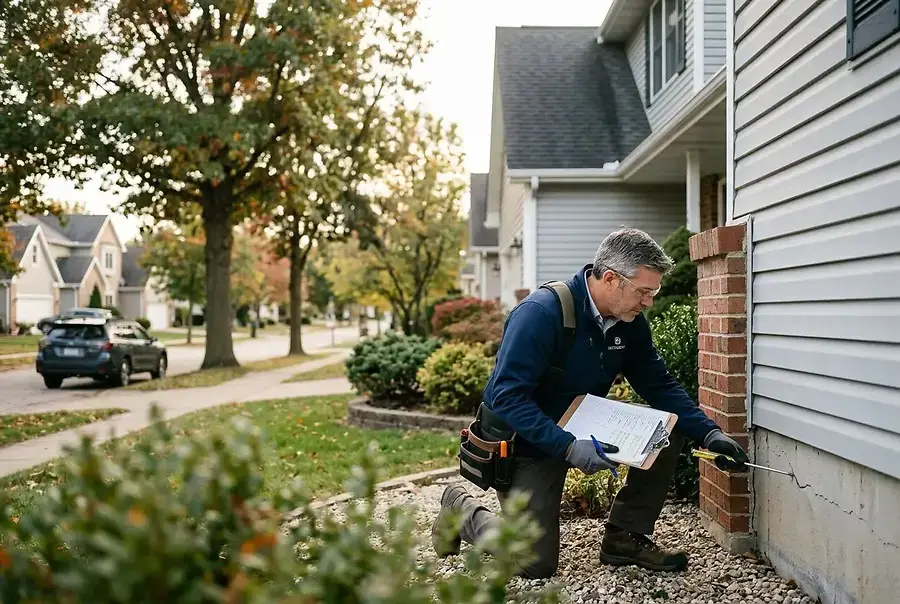
Why Home Inspections Matter in Champaign's Real Estate Market
Purchasing a home is one of the most significant investments you'll make in your lifetime. In Champaign's competitive real estate market, a professional home inspection is not just a formality—it's a critical safeguard for your financial security. A thorough inspection can reveal hidden defects, structural issues, and maintenance problems that could cost thousands of dollars to repair after closing.
Home inspections provide you with detailed information about the property's condition, allowing you to make informed decisions about your purchase. Whether you're a first-time buyer or an experienced investor, understanding what inspectors look for can help you negotiate repairs, request credits, or walk away from problematic properties before it's too late.
Critical Areas Inspectors Examine in Champaign Homes
Foundation and Structural Integrity
The foundation is the backbone of any home. Inspectors carefully examine the foundation for cracks, settling, and water damage. In Champaign, where soil conditions and weather patterns can affect structural stability, this inspection is particularly important. Look for:
- Horizontal or vertical cracks in the foundation
- Signs of water intrusion or moisture
- Uneven floors or doors that don't close properly
- Bowing or leaning walls
Roof and Attic Condition
Your roof protects everything beneath it. Inspectors evaluate the roof's age, condition, and remaining lifespan. They check for missing or damaged shingles, proper ventilation, and signs of leaks. The attic inspection reveals insulation levels, ventilation adequacy, and potential pest or moisture issues—all critical for energy efficiency and home longevity.
Plumbing Systems
A comprehensive plumbing inspection includes checking water pressure, drainage, and the condition of pipes. Inspectors test all fixtures, look for leaks, and assess the water heater's age and functionality. In older Champaign homes, galvanized pipes or outdated plumbing may need replacement, which can be a significant expense.
Electrical Systems
Electrical safety is paramount. Inspectors examine the electrical panel, wiring, outlets, and switches. They verify that the home has adequate electrical capacity for modern appliances and check for outdated or unsafe components like knob-and-tube wiring or aluminum wiring, which can pose fire hazards.
HVAC Systems
Heating, ventilation, and air conditioning systems are essential for comfort and health. Inspectors evaluate the furnace, air conditioning unit, and ductwork. They assess the system's age, efficiency, and whether it's properly sized for the home. Regular maintenance records are a good sign of a well-cared-for system.
Windows, Doors, and Exterior
The exterior protects your home from the elements. Inspectors examine siding, windows, doors, gutters, and downspouts for damage, deterioration, and proper function. They check for adequate drainage away from the foundation and assess the condition of decks, patios, and other outdoor structures.
Red Flags and How to Respond to Inspection Findings
Understanding the Inspection Report
After the inspection, you'll receive a detailed report categorizing findings by severity. Major issues require immediate attention and can significantly impact your purchase decision. Minor issues are typically cosmetic or easily fixable. Understanding this distinction helps you prioritize concerns and negotiate effectively.
Common Red Flags in Champaign Homes
Be particularly alert to these warning signs:
- Water damage and mold: Indicates moisture problems that can affect health and structural integrity
- Outdated electrical systems: May require costly upgrades for safety and functionality
- Roof age over 20 years: Replacement is likely needed soon, a substantial expense
- Foundation cracks: Can indicate serious structural issues requiring professional evaluation
- HVAC system failure: Replacement costs can exceed $5,000 to $10,000
- Pest infestations: Termites and other pests can cause extensive damage
Negotiating After Inspection
Once you have the inspection report, you have several options. You can request that the seller make repairs before closing, ask for a credit to cover repair costs, or renegotiate the purchase price. Don't be afraid to ask questions—sellers are typically required to disclose known issues, and the inspection gives you leverage to address them.
If major issues are discovered, consider obtaining quotes from contractors to understand the true cost of repairs. This information strengthens your negotiating position and helps you make a realistic assessment of the property's value.
When to Walk Away
Sometimes, the inspection reveals problems so significant that walking away is the wisest choice. If repairs would cost more than you're willing to invest, or if structural issues suggest ongoing problems, it may be better to continue your search. Remember, there are other homes in Champaign's market.
Protecting Your Investment Through Professional Home Inspections
A professional home inspection is your best defense against costly surprises after purchase. By understanding what inspectors examine and recognizing red flags, you're equipped to make confident decisions about your Champaign home purchase.
The cost of a home inspection—typically $300 to $500—is a small price compared to the potential savings from identifying major issues before you buy.
Choose a certified, experienced inspector who knows Champaign's housing stock and local conditions. Ask for references, verify credentials, and don't hesitate to ask questions during the inspection. Many inspectors allow buyers to walk through the property during the inspection, giving you firsthand insight into the home's condition.
Your home is more than just a property—it's where you'll build memories and security. By prioritizing a thorough inspection and taking findings seriously, you're protecting not just your financial investment, but your peace of mind. Make the inspection process a cornerstone of your home-buying strategy in Champaign.