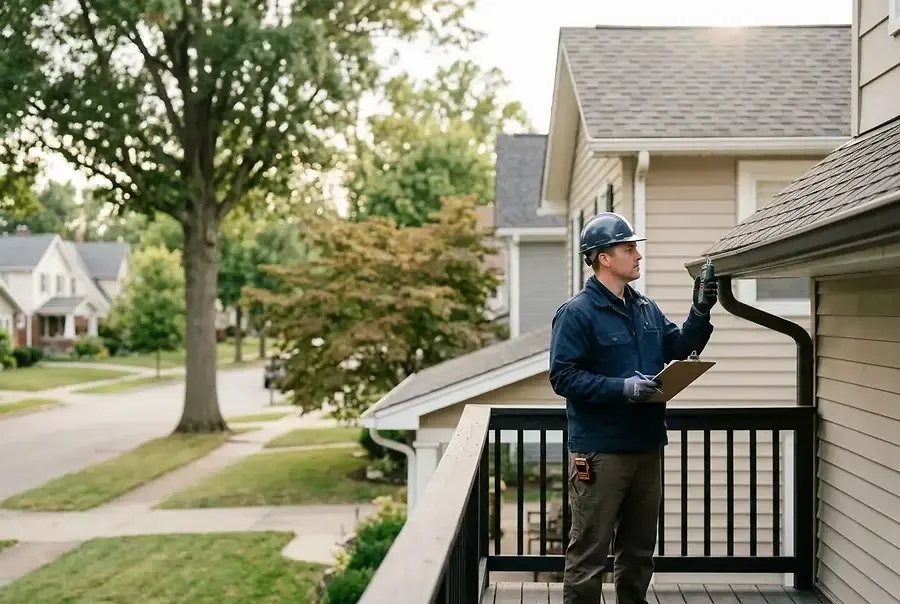
Why Home Inspections Matter for Local Buyers
Purchasing a home is one of the most significant investments you'll make in your lifetime. In the Columbus area—including Dublin, New Albany, and Westerville—the real estate market moves quickly, and it's easy to get caught up in the excitement of finding your dream home. However, skipping or rushing through a professional home inspection could cost you thousands of dollars in unexpected repairs and maintenance.
A thorough home inspection provides you with a detailed assessment of your property's condition before you finalize your purchase. It gives you the knowledge and leverage to negotiate repairs, request credits, or walk away from a deal if significant issues are discovered. Think of it as your financial protection plan.
Key Areas to Evaluate During Your Home Inspection
Foundation and Structural Integrity
The foundation is the backbone of any home. During your inspection, look for cracks in the foundation, water damage, or signs of settling. In Central Ohio, where soil composition can vary, foundation issues are not uncommon. An inspector will check for horizontal cracks, which are more serious than vertical ones, and assess whether the home is settling unevenly.
Roof and Attic
Your roof protects everything beneath it. Inspectors will examine shingle condition, flashing, gutters, and downspouts. They'll also check the attic for proper ventilation, insulation levels, and signs of leaks or water damage. In the Columbus area, where weather can be unpredictable, a well-maintained roof is essential.
Plumbing Systems
Water damage is one of the costliest issues homeowners face. During inspection, professionals will:
- Test water pressure and drainage
- Check for leaks under sinks and around toilets
- Inspect water heater condition and age
- Look for signs of corrosion in pipes
- Verify proper grading to prevent water pooling near the foundation
Electrical Systems
Outdated or faulty electrical systems pose serious safety risks. Inspectors will evaluate the main electrical panel, outlets, switches, and wiring. They'll ensure the home meets current electrical codes and has adequate capacity for modern appliances and devices.
HVAC Systems
Heating and cooling systems are critical in Ohio's climate. Your inspector will assess the age and condition of your furnace, air conditioner, and thermostat. They'll check for proper operation and estimate remaining lifespan, which helps you budget for future replacements.
Insulation and Ventilation
Proper insulation keeps your energy bills manageable. Inspectors will check attic insulation levels, wall insulation, and overall ventilation to ensure your home is energy-efficient and protected from moisture issues.
Common Issues Found in Central Ohio Homes
Water Intrusion and Basement Issues
Central Ohio's climate and soil conditions make water intrusion a frequent problem. Wet basements, efflorescence (white mineral deposits), and foundation cracks are common findings. Many older homes in Columbus, Dublin, New Albany, and Westerville weren't built with modern waterproofing standards.
Aging Roofs
Many homes in the region have roofs nearing the end of their lifespan. If a roof is over 20 years old, replacement may be necessary soon. This is important information for budgeting and negotiation purposes.
Outdated Electrical Panels
Older homes may have outdated electrical systems that can't handle modern electrical demands. Fuse boxes instead of circuit breakers and insufficient amperage are common issues that require upgrades.
HVAC System Age
Many Central Ohio homes have aging furnaces and air conditioning units. Understanding the age and condition of these systems helps you prepare for replacement costs, which can range significantly depending on the system type.
Chimney and Fireplace Concerns
If your potential home has a fireplace or chimney, inspectors will check for:
- Structural integrity and cracks
- Proper flashing and sealing
- Creosote buildup
- Adequate draft and ventilation
Making Informed Decisions with Inspection Results
Understanding Your Inspection Report
A comprehensive inspection report will categorize findings by severity. Major issues require immediate attention, while minor issues are typically maintenance-related. Review the report carefully and ask your inspector to explain anything you don't understand.
Negotiating with Sellers
Armed with inspection results, you have several options:
- Request the seller make repairs before closing
- Ask for a credit to cover repair costs
- Renegotiate the purchase price
- Walk away from the deal if issues are too significant
In the competitive Columbus area market, knowing when to negotiate and when to walk away is crucial.
Planning for Future Maintenance
Even if major issues aren't found, the inspection report provides valuable information about your home's maintenance needs. Create a timeline for addressing items like roof replacement, HVAC servicing, and foundation monitoring.
Getting a Second Opinion
For significant findings, don't hesitate to hire a specialist. If the inspector identifies potential foundation problems, electrical concerns, or structural issues, getting a second opinion from a licensed specialist can provide peace of mind and accurate repair estimates.
Conclusion: Protecting Your Investment
A professional home inspection is an investment in your peace of mind and financial security. Whether you're buying in Columbus, Dublin, New Albany, or Westerville, understanding what to look for and how to interpret inspection results empowers you to make informed decisions.
Don't rush the inspection process. Take time to review the report, ask questions, and consider hiring specialists for any concerning findings. By being thorough now, you'll avoid costly surprises down the road and enjoy your new home with confidence.
Remember: A home inspection isn't just about finding problems—it's about understanding your investment and planning for its future.