Understanding the Home Inspection Process and Why It Matters
Purchasing a home is one of the largest financial decisions you'll make. A professional home inspection is your opportunity to uncover potential issues before you commit to the purchase. In the Columbus area suburbs like Worthington, Dublin, Powell, and Hilliard, a thorough inspection can save you thousands of dollars in unexpected repairs and provide peace of mind about your investment.
A home inspection typically takes 2-4 hours and involves a certified inspector examining the property's structural components, systems, and overall condition. The inspector will provide a detailed report outlining any defects, safety concerns, or areas needing maintenance. This report becomes a powerful tool in your negotiation strategy and helps you make an informed decision about whether to proceed with the purchase.
Why Inspections Are Critical in Central Ohio
Central Ohio's climate and soil conditions create unique challenges for homeowners. The region experiences significant temperature fluctuations, moisture issues, and freeze-thaw cycles that can affect foundations, roofing, and exterior structures. Understanding these regional factors helps you appreciate why a local inspection is invaluable.
Key Areas Inspectors Examine in Central Ohio Homes
Foundation and Structural Integrity
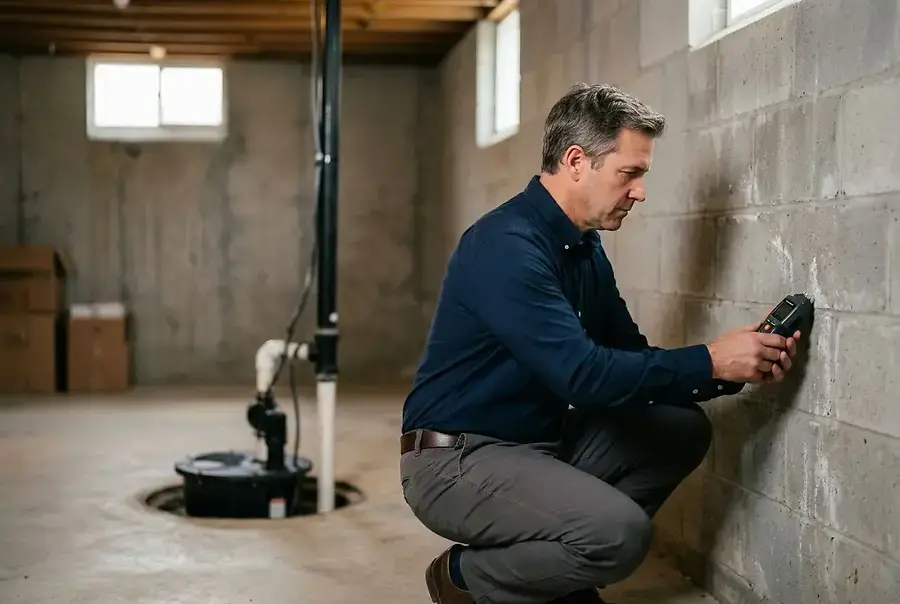
Inspectors carefully evaluate the foundation for cracks, settling, and water damage. In Columbus suburbs, clay-based soil can shift seasonally, potentially causing foundation stress. Look for horizontal cracks, bowing walls, or signs of water intrusion in basements—common issues in this region.
Roofing and Exterior
The roof is your home's first line of defense against Ohio's weather. Inspectors assess shingle condition, flashing integrity, and gutter systems. They'll check for missing shingles, improper installation, and signs of leaks. The exterior also includes siding, windows, doors, and drainage systems that protect your home from moisture damage.
HVAC and Mechanical Systems
Heating and cooling systems are essential in Central Ohio's variable climate. Inspectors test furnaces, air conditioners, and heat pumps to ensure they operate efficiently. They also examine ductwork, thermostats, and ventilation systems. Proper maintenance records are important indicators of system longevity.
Plumbing and Water Systems
Inspectors check water pressure, drainage, and the condition of pipes throughout the home. In older Columbus homes, galvanized pipes may need replacement. They'll also evaluate water heaters, looking for age, rust, and proper installation. Water quality and supply issues are important considerations in suburban properties.
Electrical Systems
A thorough electrical inspection includes checking the panel, outlets, switches, and wiring. Inspectors verify that the system meets current safety codes and can handle modern electrical demands. Outdated wiring or insufficient panel capacity can be costly to upgrade.
Interior Components
Inspectors examine walls, ceilings, floors, and insulation for damage, moisture, and proper installation. They check windows and doors for operation and weatherproofing. Attic spaces are evaluated for ventilation, insulation levels, and signs of pests or water damage.
Common Issues Found in Columbus Suburb Properties and How to Address Them
Basement Water Intrusion
Water in basements is one of the most common issues in the Columbus area. This can result from poor grading, inadequate drainage, or foundation cracks. Solutions include:
- Installing or improving sump pump systems
- Regrading soil away from the foundation
- Adding or repairing gutters and downspouts
- Applying waterproof coatings to basement walls
Aging Roofs
Many homes in Worthington, Dublin, and Powell have roofs nearing the end of their lifespan. Most asphalt shingle roofs last 15-20 years. If your inspection reveals an aging roof, budget for replacement soon to prevent leaks and structural damage.
Outdated Electrical Systems
Older homes may have aluminum wiring or insufficient panel capacity. These issues pose safety risks and limit your ability to add modern appliances. Upgrading electrical systems is a significant but necessary investment.
HVAC System Age
Furnaces and air conditioners typically last 15-20 years. If your inspection reveals an aging system, plan for replacement within the next few years. Modern systems are more efficient and reliable than older models.
Foundation Cracks and Settlement
Minor cracks are common, but significant cracks or signs of settling require professional evaluation. Some issues can be monitored, while others need immediate repair. A structural engineer's assessment may be necessary for serious concerns.
Using Inspection Reports to Negotiate and Make Confident Offers
Interpreting Your Inspection Report
The inspection report categorizes findings by severity. Critical items pose safety risks or require immediate attention. Major items are significant defects that will eventually need repair. Minor items are maintenance issues or cosmetic concerns. Understanding these categories helps you prioritize concerns.
Negotiation Strategies
Use your inspection report strategically during negotiations. You have several options:
- Request repairs: Ask the seller to fix critical and major issues before closing
- Request credits: Negotiate a price reduction to cover repair costs yourself
- Request inspections: Ask for specialized inspections on specific systems
- Walk away: If issues are too extensive, you may choose not to proceed
Making Your Final Decision
Don't let inspection findings paralyze your decision. Every home has some issues. Focus on whether the problems are manageable and whether the price reflects the home's true condition. Consider the home's age, location in suburbs like Hilliard or Powell, and your long-term plans.
A professional home inspection is an investment in your peace of mind and financial security. The small cost of an inspection can prevent costly surprises after you've closed on your Columbus area home.
Next Steps After Inspection
Once you receive your inspection report, take time to review it carefully. Discuss findings with your real estate agent and consider getting specialist opinions on major issues. Use this information to make an informed offer or renegotiate terms. Remember, the inspection period is your opportunity to thoroughly evaluate the property before making your final commitment.