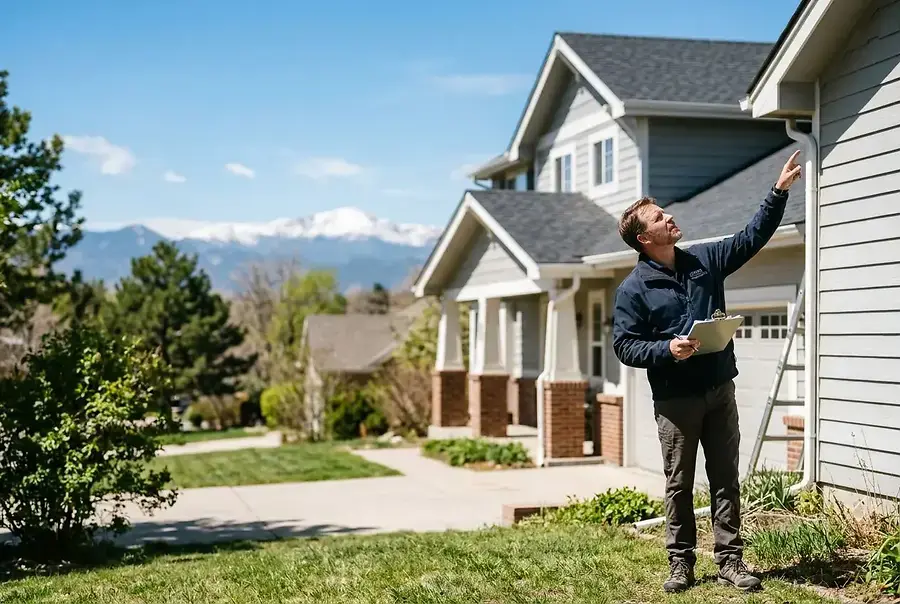
Why Home Inspections Matter in Denver's Competitive Market
In Denver's fast-paced real estate market, home inspections have become more critical than ever. With properties selling quickly and competition fierce, many buyers feel pressured to skip thorough inspections or waive contingencies. However, this approach can lead to costly mistakes that extend far beyond the initial purchase price.
A comprehensive home inspection serves as your financial safeguard, revealing hidden defects that could cost thousands in repairs. For sellers, a pre-listing inspection demonstrates transparency and builds buyer confidence. Whether you're buying or selling in the Mile High City, understanding what inspectors look for can save you significant time, money, and stress.
The Denver advantage: Properties in this region face unique challenges due to altitude, climate, and local building practices. An inspector familiar with Denver's specific conditions will catch issues that a generalist might miss.
Common Denver Home Defects: Foundation, Roof, and Plumbing Issues
Foundation Problems
Denver's expansive clay soil is notorious for causing foundation issues. This soil expands when wet and contracts when dry, creating significant stress on foundations. Common signs include:
- Cracks in basement walls or floors
- Doors and windows that stick or won't close properly
- Gaps between walls and ceilings
- Uneven or sloping floors
Pro tip: Minor cracks may be cosmetic, but diagonal or stair-step patterns indicate serious structural concerns. Professional engineers can assess whether repairs are necessary.
Roof Deterioration
Denver's intense UV radiation and hail storms take a toll on roofing materials. The city's 300+ days of sunshine accelerate shingle degradation, while spring hail can cause damage that isn't immediately visible.
Inspectors evaluate:
- Shingle condition and remaining lifespan
- Flashing integrity around chimneys and vents
- Gutter functionality and drainage
- Evidence of previous hail damage or repairs
Budget reality: A full roof replacement in Denver typically costs $8,000-$15,000. Catching deterioration early can extend your roof's life and prevent water damage to interior structures.
Plumbing and Water Issues
Denver's hard water and mineral-rich soil create unique plumbing challenges. Older homes may have galvanized pipes that corrode over time, while newer construction sometimes uses problematic materials.
Key inspection points include:
- Water pressure and flow rates
- Pipe material and condition (copper, PVC, or outdated galvanized)
- Sump pump functionality in basements
- Water heater age and efficiency
- Evidence of leaks or water damage
Hard water buildup can reduce water heater efficiency and damage appliances. Many Denver homeowners invest in water softening systems, which should be evaluated during inspection.
Environmental and Climate-Related Concerns in the Mile High City
Radon and Indoor Air Quality
Colorado has elevated radon levels due to geological factors. Radon is a colorless, odorless radioactive gas that accumulates in basements and lower levels. This is a serious health concern that requires professional testing.
A qualified inspector will:
- Test radon levels over a minimum 48-hour period
- Identify potential entry points
- Assess existing mitigation systems
- Provide recommendations for remediation if needed
Altitude-Related Challenges
Living at 5,280 feet presents unique challenges. The thin air affects:
- HVAC systems: Air conditioning units work harder in Denver's heat and altitude
- Combustion appliances: Gas furnaces and water heaters may need altitude adjustments
- Moisture control: The dry climate can cause wood shrinkage and cracking
Inspectors verify that HVAC systems are properly sized and functioning efficiently for Denver's specific conditions.
Hail and Weather Damage
Spring hail storms are common in Denver, and damage isn't always obvious. Hail can dent gutters, damage siding, and create micro-fractures in roofing materials that lead to leaks months later.
Important: Request a detailed hail damage assessment, especially for properties that have experienced recent storms. Insurance claims may be possible if damage is documented before closing.
Wildfire and Air Quality Considerations
While Denver itself isn't in a high wildfire zone, nearby fires affect air quality. Inspectors should evaluate:
- HVAC filter quality and replacement frequency
- Window and door seals for air tightness
- Smoke damage to exterior surfaces or interior finishes
Making Informed Decisions with Professional Guidance
A thorough home inspection is an investment in your peace of mind. Never skip this critical step, even in a competitive market. Here's how to maximize the inspection process:
For Buyers:
- Hire a certified inspector with Denver-specific experience
- Attend the inspection and ask questions
- Request a detailed written report with photos
- Use findings to negotiate repairs or credits
- Consider specialized inspections for concerns (foundation, radon, etc.)
For Sellers:
- Conduct a pre-listing inspection to identify issues early
- Address major concerns before listing
- Provide inspection reports to build buyer confidence
- Be transparent about known issues and previous repairs
Denver's real estate market rewards informed decisions. Whether you're buying or selling, understanding common defects and climate-related concerns specific to the Mile High City puts you in control of your transaction. Professional home inspections aren't an expense—they're an investment that protects your most valuable asset.
Remember: A thorough inspection today prevents expensive surprises tomorrow. In Denver's competitive market, knowledge is your greatest negotiating tool.