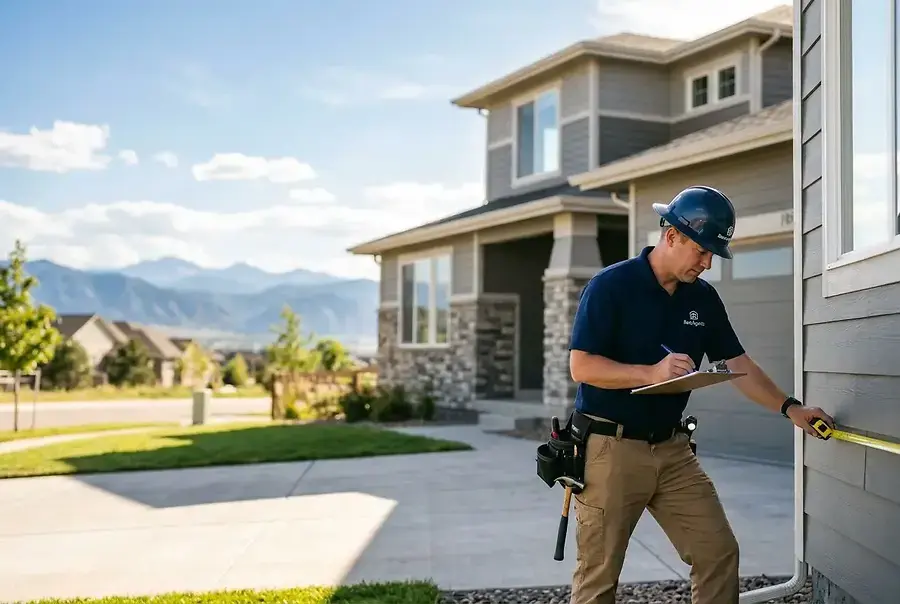
Why Home Inspections Matter in Competitive Markets
In the fast-paced Denver South Suburbs real estate market, home inspections have become more critical than ever. When multiple offers compete for the same property, buyers who skip inspections or waive contingencies often find themselves at a disadvantage—or worse, facing unexpected repair costs after closing.
A professional home inspection provides an objective assessment of a property's condition, revealing hidden issues that could affect your investment. In competitive markets, this knowledge becomes your leverage. Rather than making emotional decisions based on curb appeal, you'll have concrete data to guide your negotiations and purchasing choices.
Key benefits of home inspections include:
- Identifying costly repairs before you commit to the purchase
- Negotiating price reductions or repair credits with sellers
- Planning future maintenance and budgeting accordingly
- Protecting yourself from inheriting someone else's problems
- Gaining peace of mind about your investment
Common Issues Found in Denver South Suburbs Homes
Foundation and Structural Concerns
Denver's unique geology and climate create specific challenges for home foundations. The region's expansive clay soils shift with moisture changes, potentially causing foundation cracks and settling issues. Professional inspectors look for:
- Visible cracks in basement walls or concrete slabs
- Uneven or sloping floors indicating settling
- Water stains or moisture damage in basements
- Gaps between walls and trim suggesting movement
Foundation issues are among the most expensive repairs homeowners face, making this inspection area particularly important in the Denver area.
Roof and Weather Damage
Colorado's intense sun, hail storms, and temperature fluctuations take their toll on roofing materials. Inspectors evaluate:
- Shingle condition, curling, or missing pieces
- Hail damage or impact marks
- Flashing integrity around chimneys and vents
- Gutter condition and proper drainage
- Attic ventilation and moisture issues
A compromised roof can lead to interior water damage, making this one of the most critical inspection components. Many Denver homes have experienced hail damage, so detailed roof assessment is essential.
HVAC System Efficiency
Heating and cooling systems work overtime in the Denver area due to extreme temperature swings. Inspectors assess:
- Age and condition of furnaces and air conditioning units
- System efficiency and proper operation
- Ductwork integrity and insulation
- Thermostat functionality
- Maintenance records and service history
Replacing an HVAC system can cost $5,000 to $15,000, so understanding the current system's condition helps you budget appropriately.
Red Flags to Watch: Understanding Inspection Reports and Negotiation Leverage
Decoding Inspector Findings
Professional inspection reports categorize issues by severity. Understanding these categories helps you prioritize concerns:
- Critical Issues: Safety hazards or major structural problems requiring immediate attention
- Major Issues: Significant repairs needed within the next 1-2 years
- Minor Issues: Maintenance items or cosmetic concerns
- Recommendations: Suggested improvements or upgrades
Don't panic over every finding. Older homes naturally have more issues, and some items are simply maintenance rather than defects.
Using Inspection Results for Negotiation
Once you have your inspection report, you have several options:
- Request price reduction: Ask the seller to lower the price to account for repair costs
- Ask for repairs: Request that the seller fix critical issues before closing
- Request repair credits: Have the seller provide funds at closing for you to handle repairs
- Walk away: If issues are too extensive, you can terminate the purchase
The inspection contingency is your safety net in real estate transactions. Use it wisely to protect your investment.
Common Red Flags in Denver South Suburbs Properties
Watch for these warning signs that suggest deeper problems:
- Water stains or mold indicating moisture intrusion
- Outdated electrical systems or aluminum wiring
- Plumbing issues including low water pressure or slow drains
- Pest damage or evidence of infestation
- Improper grading causing water to flow toward the foundation
- Missing or inadequate insulation affecting energy efficiency
Using Inspection Results to Make Confident Buying Decisions
A thorough home inspection transforms you from a hopeful buyer into an informed decision-maker. Rather than relying on emotions or seller representations, you'll have professional documentation of the property's true condition.
Next steps after receiving your inspection report:
- Review findings with your real estate agent and lender
- Obtain repair estimates for significant issues
- Research typical repair costs in the Denver area
- Determine your negotiation strategy
- Make an informed decision aligned with your budget and timeline
Remember that no home is perfect. The goal isn't to find a flawless property but to understand what you're buying and make decisions based on facts rather than assumptions.
In the competitive Denver South Suburbs market, buyers who invest in professional inspections gain significant advantages. You'll negotiate from a position of knowledge, avoid costly surprises, and ultimately make more confident purchasing decisions. Whether you're a first-time buyer or an experienced investor, a comprehensive home inspection is one of the smartest investments you can make in your real estate journey.