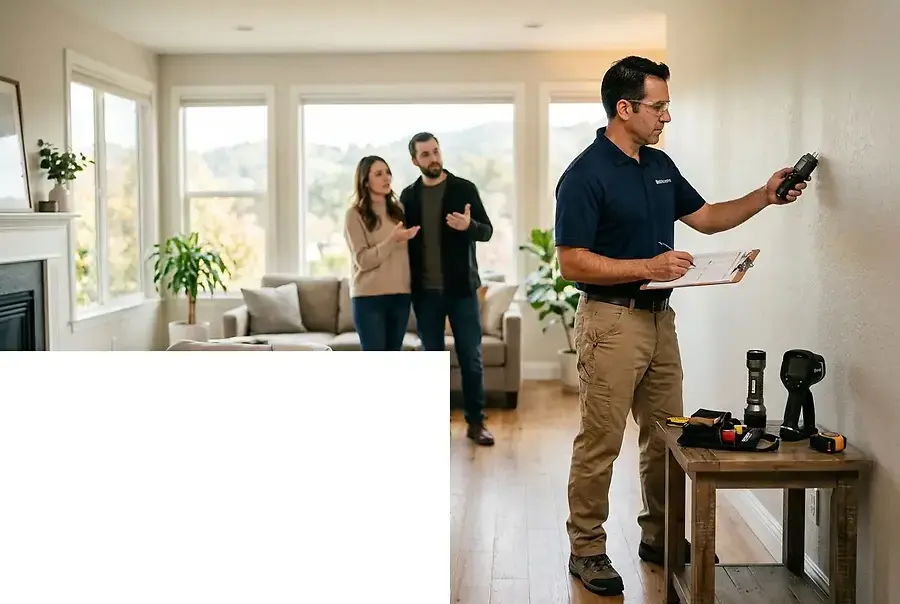
Introduction: Why Home Inspections Matter for East Bay Buyers
Purchasing a home is one of the most significant investments you'll make in your lifetime. In the competitive East Bay real estate market, it's easy to get caught up in the excitement of finding the perfect property and overlook critical details. A professional home inspection is your safeguard against costly surprises and hidden defects that could drain your finances after closing.
Home inspections provide an objective assessment of a property's condition, from the foundation to the roof. For East Bay buyers, understanding this process is essential, as many homes in the region have unique characteristics and age-related issues that require specialized knowledge. An inspection report gives you the information needed to negotiate repairs, request credits, or make an informed decision about whether to proceed with your purchase.
What to Expect During Your Home Inspection
The Inspection Timeline and Process
A typical home inspection takes between two to four hours, depending on the property's size and age. Your inspector will systematically examine all accessible areas of the home, including:
- Structural components – Foundation, framing, and load-bearing walls
- Roof and attic – Shingles, flashing, ventilation, and insulation
- Exterior – Siding, windows, doors, and drainage systems
- Plumbing – Pipes, fixtures, water pressure, and drainage
- Electrical systems – Panel, wiring, outlets, and safety features
- HVAC systems – Heating, cooling, and ventilation efficiency
- Interior – Walls, ceilings, floors, and built-in appliances
What You Should Do During the Inspection
Don't simply wait in another room while the inspector works. Attend the inspection and ask questions about anything you don't understand. This is your opportunity to learn about the home's systems and maintenance requirements. Take notes, take photos, and request clarification on any concerns the inspector identifies.
Pay special attention to areas that will be expensive to repair or replace, such as the roof, foundation, and major appliances. Understanding the current condition of these components will help you make informed decisions about your offer.
Common Issues Found in East Bay Properties and How to Address Them
Earthquake-Related Concerns
Living in the East Bay means being in an earthquake-prone region. Many older homes lack proper seismic bracing and foundation anchoring. Inspectors will assess whether your foundation is adequately bolted to the structure. If deficiencies are found, seismic retrofitting can be negotiated as a repair or credit at closing.
Foundation and Soil Issues
The Bay Area's diverse soil composition can lead to foundation problems. Expansive clay soils, poor drainage, and settling are common issues. Look for cracks in the foundation, uneven floors, or doors that don't close properly. These signs may indicate foundation movement that requires professional evaluation and potential repair.
Roof Age and Condition
East Bay homes often have roofs that have weathered decades of sun exposure. Most asphalt shingle roofs last 20-25 years. If your inspection reveals a roof nearing the end of its lifespan, factor replacement costs into your offer. A new roof can cost $10,000-$20,000 or more, depending on the home's size and materials.
Plumbing and Water Damage
Older East Bay homes frequently have outdated plumbing systems. Galvanized pipes corrode over time, and cast iron drain lines can deteriorate. Water damage from leaks, poor drainage, or past flooding should be thoroughly documented. Mold growth is a particular concern in areas with moisture problems.
Electrical System Updates
Homes built before the 1980s may have outdated electrical panels and insufficient capacity for modern appliances. Knob-and-tube wiring, aluminum wiring, and undersized panels are common findings. These issues pose safety risks and may require upgrades to meet current code requirements.
HVAC System Efficiency
Many East Bay homes have aging heating and cooling systems. An inspector will evaluate whether systems are functioning properly and estimate remaining lifespan. Upgrading to a modern, energy-efficient system can improve comfort and reduce utility bills significantly.
Pest and Termite Damage
Termites and wood-boring insects are prevalent in California. A professional pest inspection (often required by lenders) will identify active infestations and past damage. Treatment and repairs can be negotiated with the seller before closing.
Conclusion: Using Inspection Findings to Make Confident Offers
A home inspection report is not a reason to panic or automatically walk away from a property. Every home has some issues – the question is whether those issues are manageable and fairly priced into your offer.
After receiving the inspection report, you have several options:
- Request repairs – Ask the seller to fix identified issues before closing
- Request credits – Negotiate a reduction in purchase price to cover repairs you'll handle
- Accept as-is – Proceed with your purchase knowing the home's condition
- Renegotiate or withdraw – Use inspection findings to adjust your offer or walk away if issues are too significant
In the East Bay market, homes sell quickly, and inspection contingencies are often limited. Work closely with your real estate agent and inspector to prioritize which issues matter most. Focus on structural, safety, and major system concerns rather than cosmetic problems.
By understanding the home inspection process and knowing what to look for in East Bay properties, you'll be equipped to make confident purchasing decisions. A thorough inspection protects your investment and ensures you're getting fair value for your money. Don't skip this critical step – your future self will thank you.