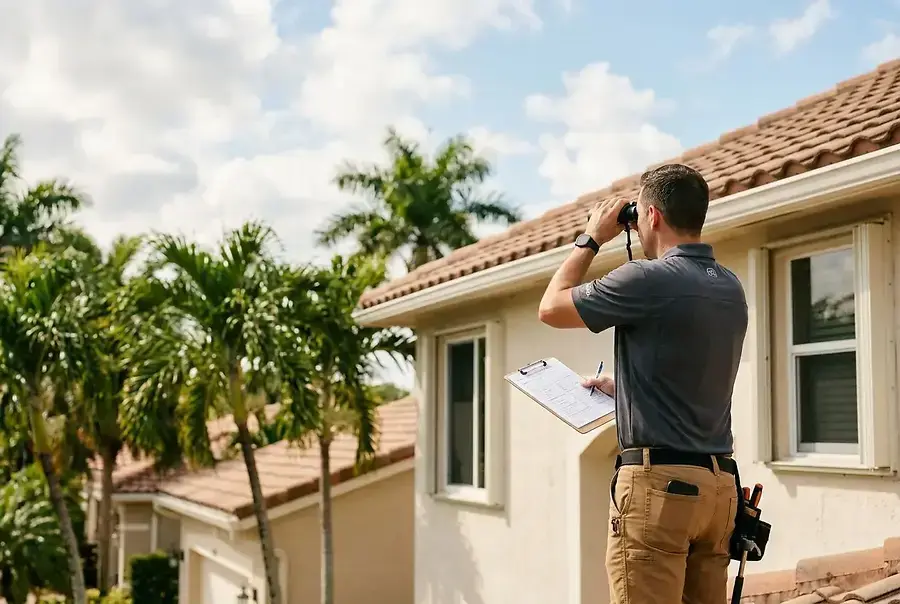
Why Home Inspections Matter in Miami
Purchasing a home is one of the most significant investments you'll make in your lifetime. In Miami, where the tropical climate, salt air, and hurricane exposure create unique challenges, a thorough home inspection becomes even more critical. A professional inspection can reveal hidden problems that could cost thousands to repair, from water damage and mold to structural issues caused by extreme weather conditions.
Many first-time homebuyers underestimate the importance of inspections, viewing them as an unnecessary expense. However, the average cost of a home inspection—typically $300 to $500—is a small price compared to discovering major issues after closing. In Miami's competitive real estate market, having a detailed inspection report gives you leverage to negotiate repairs or price adjustments before finalizing your purchase.
Key Inspection Areas for Miami Properties
Roof and Weather Protection
Miami's intense sun, salt spray, and hurricane-force winds make the roof one of the most critical components of any home. During inspection, pay special attention to:
- Shingle condition and age—Miami roofs typically last 15-20 years due to UV exposure
- Proper fastening and sealing to withstand high winds
- Flashing around chimneys, vents, and skylights
- Evidence of previous repairs or patches
- Compliance with current Miami-Dade County building codes
Red Flag: If the roof is older than 15 years or shows signs of deterioration, budget for replacement costs, which can exceed $10,000 for a typical Miami home.
Water Intrusion and Moisture Control
Miami's high humidity and frequent rain make water intrusion a persistent problem. Inspectors should examine:
- Foundation and basement for cracks, seepage, or efflorescence (white mineral deposits)
- Windows and doors for proper sealing and caulking
- AC condensation lines and proper drainage
- Attic ventilation and signs of moisture accumulation
- Exterior walls for water stains or damage
Water damage can lead to mold growth, structural deterioration, and costly remediation. Don't skip this inspection area—it's one of the most common and expensive issues in Miami properties.
Mold and Air Quality
The warm, humid Miami climate is ideal for mold growth. While a standard inspection doesn't include mold testing, inspectors should note any visible mold or conditions that promote mold development. Consider hiring a specialized mold inspector if you notice:
- Musty odors in the home
- Visible black or green spots on surfaces
- History of water damage or flooding
- Poor ventilation in bathrooms or kitchens
Hurricane Preparedness Features
Given Miami's hurricane risk, check for protective features such as:
- Impact-resistant windows and doors
- Storm shutters or reinforced protection systems
- Proper roof-to-wall connections
- Reinforced garage doors
- Adequate drainage systems
These features not only protect your home but can also reduce insurance premiums significantly.
Electrical and Plumbing Systems
Miami's salt air accelerates corrosion of metal components. Inspectors should verify:
- Electrical panel condition and proper grounding
- Copper piping integrity (not corroded or deteriorated)
- Water pressure and flow rates
- Proper drainage and no signs of leaks
- GFCI outlets in wet areas for safety
Foundation and Structural Integrity
Miami's limestone foundation and high water table create unique structural challenges. Look for:
- Cracks in the foundation or concrete slab
- Uneven floors or doors that don't close properly
- Signs of settling or shifting
- Proper drainage away from the foundation
Understanding Inspection Reports and Red Flags
What to Expect in Your Report
A comprehensive home inspection report should be detailed and easy to understand. It typically includes:
- Property overview and inspection date
- Detailed findings organized by system (roof, electrical, plumbing, etc.)
- Photos of problem areas
- Severity ratings for identified issues
- Recommendations for repairs or further evaluation
Take time to review the report thoroughly and ask your inspector to explain any findings you don't understand.
Identifying Critical Red Flags
Major concerns that should affect your purchase decision include:
- Structural damage: Cracks in the foundation or evidence of settling
- Extensive water damage: Signs of past or present water intrusion
- Mold contamination: Visible mold growth or conditions promoting mold
- Roof failure: Roofs nearing end of life or showing significant damage
- Electrical hazards: Outdated wiring, improper grounding, or fire hazards
- Plumbing issues: Corroded pipes, low water pressure, or sewage problems
While minor issues are normal in any home, these red flags warrant serious consideration and may justify renegotiating the purchase price or walking away from the deal.
Using Inspection Results to Negotiate
Armed with a detailed inspection report, you have leverage in negotiations. You can:
- Request the seller make repairs before closing
- Negotiate a price reduction to cover repair costs
- Ask for credits toward repairs you'll handle yourself
- Request extended closing timelines for additional inspections
Be reasonable in your requests—sellers are more likely to cooperate if you focus on significant issues rather than minor cosmetic concerns.
Making Informed Decisions with Inspection Results
A home inspection is your opportunity to make an informed decision about one of life's biggest purchases. In Miami, where environmental factors create unique challenges, understanding what inspectors look for can help you avoid costly mistakes.
Don't view inspection findings as deal-breakers automatically. Instead, consider the cost of repairs, the home's overall value, and your long-term plans. A home with minor issues at the right price might be a better investment than a perfect home at a premium price.
Remember: A thorough home inspection protects your investment and gives you peace of mind. Take the process seriously, ask questions, and use the results to make the best decision for your family and your financial future.
Pro Tip: Always hire a licensed, experienced inspector familiar with Miami properties. Their knowledge of local climate challenges and building codes is invaluable in identifying issues that might be missed by inspectors unfamiliar with the region.