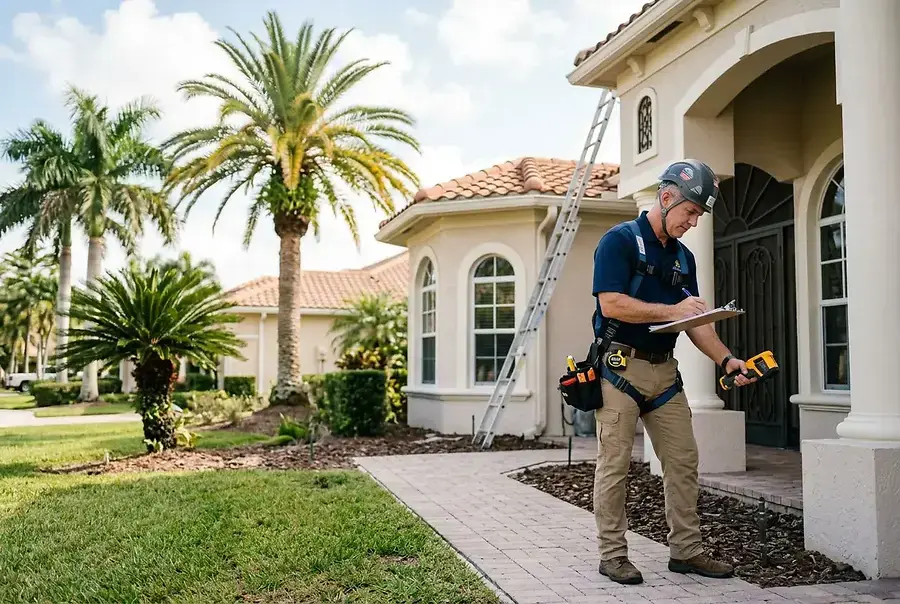
Introduction: Why Home Inspections Are Critical in Florida's Unique Climate
Purchasing a home is one of the most significant investments you'll make in your lifetime. In South Florida, where the climate presents unique challenges, a thorough home inspection becomes even more critical. The combination of high humidity, salt air, intense heat, and hurricane-prone weather creates conditions that can accelerate wear and tear on residential properties.
A professional home inspection provides you with an objective assessment of your potential property's condition before you commit to the purchase. This crucial step helps you understand what you're buying, identify potential problems early, and negotiate repairs or price adjustments with the seller. In Florida's competitive real estate market, knowledge is power—and a comprehensive inspection report is your most valuable tool.
Common Structural and Environmental Issues Found in South Florida Homes
Roof and Water Damage
Florida's intense sun and frequent heavy rains make roof inspection paramount. Inspectors look for:
- Missing or damaged shingles that expose the underlying structure to water infiltration
- Improper drainage that allows water to pool and cause deterioration
- Flashing issues around chimneys, vents, and skylights where leaks commonly occur
- Signs of previous water damage in attics and upper-level ceilings
Water damage is the most expensive problem homeowners face in Florida. Inspectors will check for mold, rot, and structural compromise that may not be immediately visible.
Foundation and Concrete Issues
South Florida's limestone foundation and high water table create unique challenges. Professional inspectors examine:
- Cracks in the foundation that may indicate settling or structural movement
- Efflorescence (white mineral deposits) suggesting moisture problems
- Concrete deterioration on driveways, patios, and pool decks
- Sinkhole potential in areas built on limestone
Foundation issues can be costly to repair, making early detection essential for protecting your investment.
HVAC and Cooling Systems
In Florida's heat, air conditioning isn't a luxury—it's a necessity. Inspectors evaluate:
- System age and condition to estimate remaining lifespan
- Proper refrigerant levels and coolant circulation
- Ductwork integrity and insulation quality
- Maintenance records indicating regular service
A failing AC system can cost $5,000 to $15,000 to replace, so understanding its condition is vital.
Plumbing and Water Quality
Florida's corrosive salt air and mineral-rich water affect plumbing systems differently than other regions. Inspectors check for:
- Corroded pipes that may need replacement
- Water pressure and flow issues indicating blockages or deterioration
- Galvanized pipe problems common in older Florida homes
- Proper grading to prevent water from pooling near the foundation
Electrical Systems and Hurricane Preparedness
Florida's electrical codes have evolved significantly due to hurricane risks. A thorough inspection includes:
- Panel capacity and condition to handle modern appliance loads
- Proper grounding and bonding for safety and storm protection
- GFCI outlets in bathrooms, kitchens, and outdoor areas
- Hurricane tie-downs and structural reinforcements
Mold and Indoor Air Quality
Florida's humidity creates ideal conditions for mold growth. Professional inspectors look for:
- Visible mold in bathrooms, basements, and crawl spaces
- Musty odors indicating hidden moisture problems
- Proper ventilation in kitchens and bathrooms
- Moisture barriers in crawl spaces and under-slab areas
Understanding Your Inspection Report and Negotiating Repairs
Decoding the Inspection Report
A professional inspection report typically categorizes findings into three levels: major concerns, minor issues, and maintenance recommendations. Understanding this hierarchy helps you prioritize what matters most.
Major concerns affect safety or structural integrity and require immediate attention. Minor issues may need repair but aren't urgent. Maintenance recommendations help extend the life of systems and components.
Negotiation Strategies
Once you receive your inspection report, you have several options:
- Request repairs: Ask the seller to fix major issues before closing
- Request credits: Negotiate a price reduction to cover repair costs yourself
- Request inspections: Hire specialists for major concerns before making final decisions
- Walk away: If issues are too extensive, you can terminate the purchase
The key is understanding which issues are deal-breakers and which you can address after purchase. In Florida's market, sellers often expect some negotiation based on inspection findings.
When to Hire Specialists
For major concerns identified in the general inspection, consider hiring specialists:
- Structural engineers for foundation or framing issues
- Mold specialists for suspected mold contamination
- Roof inspectors for detailed roof assessments
- Termite inspectors for pest damage evaluation
These specialized inspections cost $300-$800 each but provide detailed information for negotiation and decision-making.
Conclusion: Using Inspection Results to Make Confident Purchase Decisions
A comprehensive home inspection is your safeguard against costly surprises after purchase. In South Florida's unique climate, where environmental factors constantly challenge residential structures, professional inspection becomes non-negotiable.
Remember that no home is perfect. The goal isn't to find a flawless property but to understand what you're buying and make informed decisions. Use your inspection report as a negotiation tool and a roadmap for future maintenance.
By taking the time to understand inspection findings and addressing major concerns before closing, you protect your investment and ensure peace of mind in your new South Florida home. Don't skip this critical step—your future self will thank you.