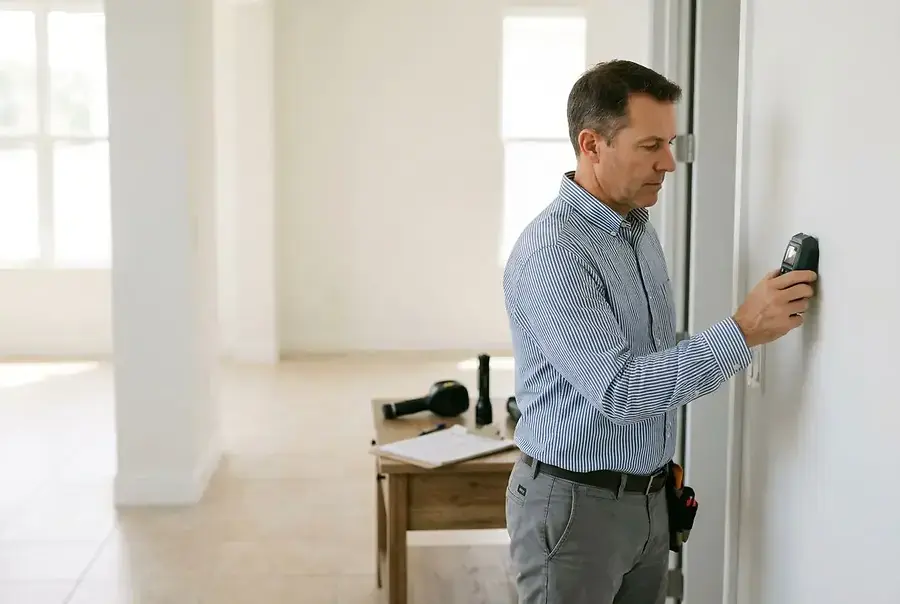
Why Home Inspections Matter in Florida's Residential Market
Purchasing a home is one of the most significant financial decisions you'll make, and in Florida's competitive real estate market, a thorough home inspection is your best defense against costly surprises. Whether you're buying in Miami's bustling neighborhoods, Tampa's growing suburbs, Orlando's family-friendly communities, or Fort Myers' coastal areas, understanding what inspectors look for can save you thousands of dollars and prevent future headaches.
Florida's unique climate and environmental conditions create specific challenges that home inspectors must evaluate carefully. From hurricane-resistant construction requirements to moisture and mold concerns, Florida properties demand specialized inspection knowledge. A professional home inspection provides an objective assessment of your potential investment and gives you the leverage to negotiate repairs or price adjustments before closing.
Key Areas Home Inspectors Prioritize in Florida Homes
Roof and Exterior Structures
Florida's intense sun, salt air, and hurricane season make roof inspections critical. Inspectors examine:
- Roof condition and age – Most Florida roofs last 15-20 years; older roofs may need replacement
- Hurricane straps and reinforcement – Essential for wind resistance
- Flashing and sealing – Prevents water intrusion during heavy rains
- Gutters and drainage systems – Proper water management prevents foundation damage
Foundation and Structural Integrity
Florida's sandy soil and high water table present unique foundation challenges. Inspectors look for:
- Cracks in concrete slabs or pilings
- Signs of settling or shifting
- Moisture intrusion in crawl spaces
- Proper elevation for flood-prone areas
Pro tip: Ask your inspector about the property's flood zone designation and whether it requires flood insurance.
Moisture, Mold, and Water Damage
Florida's humid climate makes moisture control essential. Inspectors carefully examine:
- Attic ventilation and insulation
- Bathroom and kitchen moisture barriers
- Signs of past or present water damage
- Mold growth in hidden areas
- Proper grading around the foundation
Water damage can be expensive to remediate, so this inspection area deserves your close attention.
HVAC and Cooling Systems
Air conditioning isn't a luxury in Florida—it's essential. Inspectors evaluate:
- Age and condition of AC units
- Proper refrigerant levels
- Ductwork integrity and sealing
- Thermostat functionality
- Maintenance records
A failing AC system in Florida can cost $5,000-$15,000 to replace, making this a critical assessment area.
Plumbing and Water Systems
Florida's corrosive salt air and mineral-rich water create plumbing challenges. Inspectors check:
- Pipe material and age (polybutylene pipes are problematic)
- Water pressure and flow
- Septic system condition (in non-municipal areas)
- Water heater age and functionality
- Signs of leaks or corrosion
Electrical Systems
Proper electrical systems are crucial for safety and functionality. Inspectors examine:
- Panel condition and capacity
- Grounding and bonding (especially important in coastal areas)
- GFCI outlets in wet areas
- Outdated wiring systems
- Proper breaker sizing
Pool and Spa Equipment
If the property includes a pool or spa, inspectors evaluate:
- Structural integrity and cracks
- Pump and filter functionality
- Safety equipment and compliance
- Deck condition and drainage
Understanding Your Inspection Report and Negotiating Repairs
Decoding Your Report
A comprehensive inspection report categorizes findings by severity. Understand these levels:
- Critical issues – Safety hazards or major structural problems requiring immediate attention
- Major concerns – Significant repairs needed within the next few years
- Minor issues – Maintenance items or cosmetic concerns
- Recommendations – Suggested improvements or further evaluation
Don't ignore minor issues—they can compound into expensive problems in Florida's climate.
Negotiation Strategies
After receiving your inspection report, you have several options:
- Request repairs – Ask the seller to fix critical and major issues before closing
- Negotiate credits – Receive money at closing to handle repairs yourself
- Request price reduction – Lower the purchase price to account for needed repairs
- Walk away – If issues are too extensive, you may terminate the contract
Timing matters: Most purchase agreements include an inspection contingency period (typically 10-15 days). Use this window strategically to gather additional quotes from contractors if needed.
When to Get a Second Opinion
Consider hiring a specialist inspector for:
- Older homes with significant issues
- Properties with extensive water damage history
- Homes with pool or spa equipment
- Properties in high-risk flood zones
The cost of a specialist inspection ($300-$800) is minimal compared to potential repair expenses.
Taking Action After Your Home Inspection
Your home inspection report is a roadmap for your investment. Don't treat it as just a formality—use it actively to protect your interests.
First, prioritize the findings. Address critical safety issues immediately and plan for major repairs within the first year. For minor issues, create a maintenance schedule to prevent them from becoming expensive problems.
Second, maintain detailed records of all inspections, repairs, and maintenance. This documentation increases your home's value and helps with future sales.
Finally, remember that Florida's unique climate demands ongoing attention. Regular maintenance—especially roof inspections, HVAC servicing, and moisture monitoring—will protect your investment for years to come.
Whether you're buying in Miami, Tampa, Orlando, Fort Myers, or anywhere else in Florida, a thorough home inspection is your best tool for making an informed decision. Take the inspection seriously, ask questions, and don't hesitate to negotiate based on the findings. Your future self will thank you.