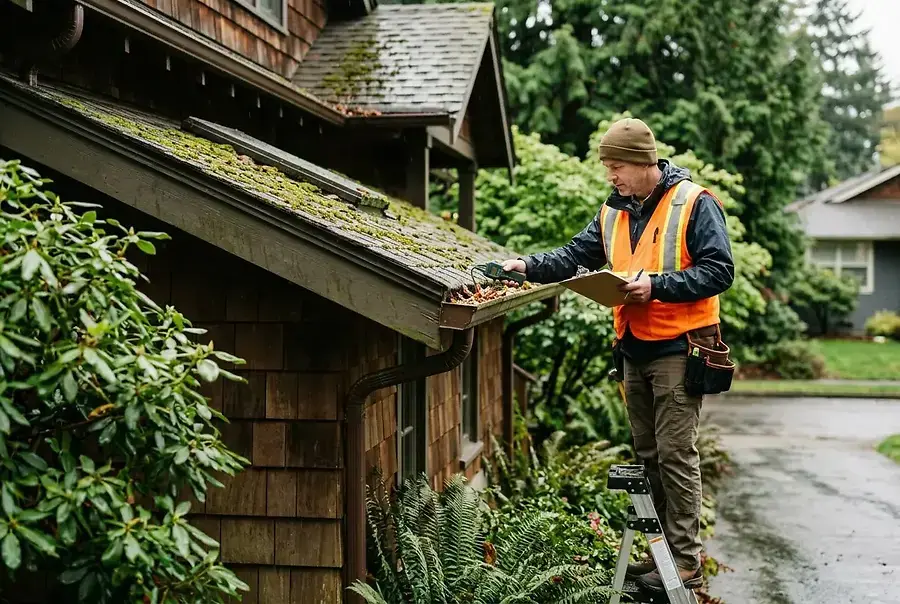
Why Home Inspections Matter in the Competitive Seattle Market
Purchasing a home in the Greater Seattle area represents one of the most significant financial decisions you'll make. In today's competitive real estate market, the stakes have never been higher. A professional home inspection serves as your safeguard against inheriting costly problems that could drain your finances and compromise your family's safety.
Many buyers in the Seattle region skip or rush through inspections to make their offers more attractive to sellers. This is a critical mistake. A thorough inspection typically costs between $300 and $500 but can reveal issues worth tens of thousands of dollars in repairs. Think of it as insurance for your investment.
Why is this especially important in Seattle? The region's unique climate, older housing stock in many neighborhoods, and specific building challenges make comprehensive inspections non-negotiable. An inspector familiar with Pacific Northwest conditions will identify problems that a generic inspection might miss.
Key Areas Inspectors Evaluate: Foundation, Roof, Systems, and More
Foundation and Structural Integrity
The foundation is literally what your home stands on. Inspectors examine foundations for:
- Cracks in concrete or masonry
- Signs of settling or shifting
- Water intrusion and moisture damage
- Proper grading and drainage around the foundation
- Adequate ventilation in crawl spaces
Foundation repairs can cost $10,000 to $50,000 or more, making this evaluation critical. Seattle's clay soils and high water tables create unique challenges that experienced local inspectors understand well.
Roofing and Exterior Systems
Your roof is your home's primary defense against the elements. Inspectors assess:
- Shingle condition and remaining lifespan
- Flashing around chimneys, vents, and skylights
- Gutters and downspout functionality
- Signs of leaks or water damage in the attic
- Proper ventilation and insulation
A new roof can cost $15,000 to $30,000 depending on size and materials. Catching deterioration early allows you to budget accordingly or negotiate repairs before closing.
Electrical, Plumbing, and HVAC Systems
These systems keep your home functioning. Professional inspectors evaluate:
- Electrical panel capacity and safety (outdated panels are common in older Seattle homes)
- Grounding and proper circuit protection
- Plumbing for leaks, corrosion, and proper drainage
- Water heater age and condition
- Heating and cooling system functionality
- Ductwork integrity and insulation
Pro tip: Knob-and-tube wiring and outdated electrical panels are frequently found in Seattle's older neighborhoods. These may require replacement for insurance purposes or safety upgrades.
Interior Components
Inspectors also examine:
- Windows and doors for proper operation and sealing
- Interior walls and ceilings for water stains or damage
- Flooring condition and structural support
- Appliances included in the sale
- Insulation levels in walls and attic
Regional Considerations: Seattle's Wet Climate and Its Impact on Home Integrity
Moisture and Mold Challenges
Seattle receives significant rainfall throughout the year, creating a moisture-rich environment. This climate poses unique challenges for home integrity:
Water intrusion is the number one issue inspectors find in the Greater Seattle area. Homes are vulnerable to leaks through roofs, windows, doors, and foundations. Chronic moisture exposure leads to wood rot, mold growth, and structural damage.
Professional inspectors in the region specifically look for:
- Mold and mildew in basements and crawl spaces
- Wood rot in siding, trim, and structural members
- Inadequate drainage systems
- Improper grading that directs water toward the foundation
- Missing or damaged caulking around windows and doors
Basement and Crawl Space Concerns
Many Seattle homes have basements or crawl spaces that are particularly vulnerable to moisture problems. Inspectors evaluate:
- Signs of past or present water intrusion
- Proper vapor barriers and moisture control
- Sump pump functionality (if present)
- Adequate ventilation to prevent condensation
- Structural support and beam condition
Addressing moisture issues early prevents exponentially more expensive problems down the road. A $5,000 waterproofing investment now can save $50,000 in structural repairs later.
Vegetation and Landscaping Issues
Seattle's lush vegetation is beautiful but can create problems. Inspectors note:
- Trees with branches overhanging the roof
- Vegetation growing against the foundation
- Clogged gutters from falling leaves and debris
- Root systems potentially affecting foundations or plumbing
Using Inspection Reports to Negotiate and Protect Your Investment
Understanding Your Inspection Report
A comprehensive inspection report documents findings in three categories: major issues requiring immediate attention, minor issues that should be addressed eventually, and maintenance recommendations for ongoing care.
Don't be alarmed if your report identifies issues—most homes have them. The key is understanding severity and cost implications. Your inspector should explain findings clearly and answer all your questions.
Negotiation Strategies
Armed with your inspection report, you have several options:
- Request repairs: Ask the seller to fix major issues before closing
- Request credits: Negotiate a price reduction to cover repair costs yourself
- Request inspections: Hire specialists for specific concerns (foundation, mold, electrical)
- Walk away: If issues are too severe, you can terminate the purchase
In the competitive Seattle market, sellers may resist repair requests. However, significant issues give you legitimate negotiating leverage. Document everything and work with your real estate agent to present requests professionally.
Long-Term Protection
Your inspection report becomes a valuable reference document for your entire ownership. Use it to:
- Plan maintenance and budgeting
- Track system ages and remaining lifespan
- Understand your home's specific vulnerabilities
- Make informed decisions about upgrades and improvements
A thorough home inspection is not an expense—it's an investment in peace of mind and financial protection. In the Greater Seattle area's unique climate and real estate market, it's absolutely essential.
Final Thoughts
Buying a home in the Greater Seattle area requires diligence and careful evaluation. A professional home inspection is your most important tool for making an informed decision. By understanding what inspectors look for, recognizing regional challenges, and using inspection reports strategically, you protect your investment and ensure your new home is safe, sound, and worth every penny.
Don't let the excitement of finding your dream home override the practical necessity of a thorough inspection. Your future self will thank you for the due diligence you perform today.