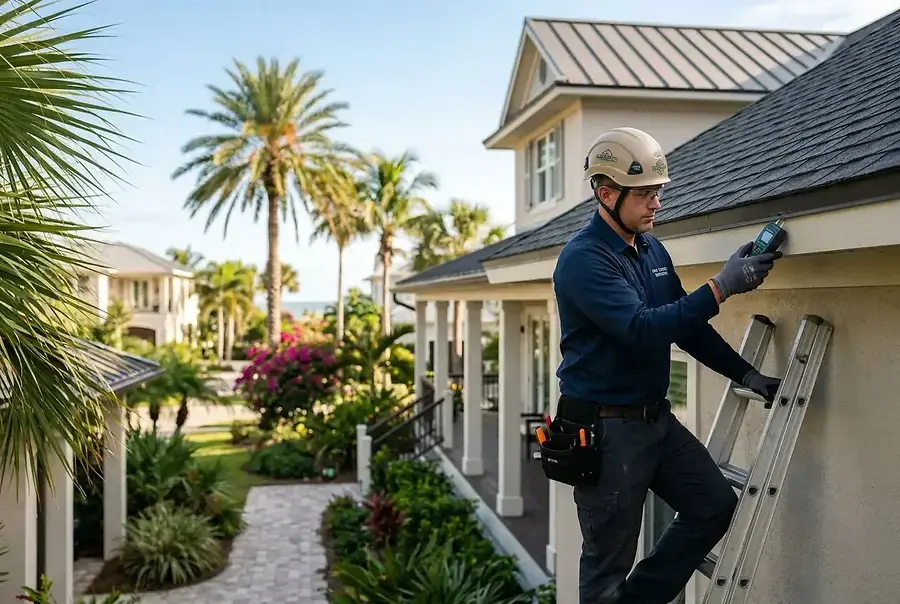
Why Gulf Coast Home Inspections Matter
Purchasing a home on the Gulf Coast is an exciting investment, but it comes with unique challenges that inland properties simply don't face. The combination of salt air, high humidity, frequent moisture exposure, and intense weather conditions means that Gulf Coast homes require specialized inspection attention. Whether you're buying in Escambia, Santa Rosa, or Baldwin County, understanding what to look for during a home inspection can save you thousands of dollars in repairs and protect your family's safety.
A thorough home inspection is your first line of defense against hidden problems. Unlike a simple walkthrough, a professional inspection examines every system in the home—from the foundation to the roof—with a critical eye toward coastal-specific issues. This guide will help you understand the most important inspection points for Gulf Coast properties.
Understanding Moisture, Mold, and Humidity Issues in Coastal Homes
The Moisture Challenge
Moisture is the primary enemy of Gulf Coast homes. The constant exposure to salt air, ocean spray, and high humidity creates an environment where water infiltration becomes inevitable without proper maintenance and construction. During your inspection, pay special attention to:
- Roof condition and flashing: Look for missing shingles, deteriorated flashing around chimneys and vents, and signs of water staining in the attic
- Windows and doors: Check for corroded frames, broken seals, and water damage around the perimeter
- Exterior walls: Inspect for cracks, peeling paint, and areas where moisture may be entering the structure
- Crawl spaces and basements: Look for standing water, dampness, and inadequate drainage systems
Mold and Humidity Control
Mold thrives in the humid Gulf Coast climate. A professional mold inspection is not optional—it's essential. During your inspection, the inspector should check for visible mold growth in bathrooms, kitchens, attics, and crawl spaces. Beyond visual inspection, ask about:
- HVAC system functionality and whether it adequately dehumidifies the home
- Proper ventilation in bathrooms and kitchens
- Signs of past water damage that could indicate recurring moisture problems
- The condition of vapor barriers in crawl spaces
Pro tip: Request that your inspector use moisture meters to detect hidden moisture in walls and other concealed areas. This technology can reveal problems that aren't visible to the naked eye.
Salt Air Corrosion
The salt-laden air near the coast accelerates corrosion of metal components. During your inspection, examine:
- Metal roof fasteners and gutters for rust and deterioration
- HVAC units and their components for corrosion
- Electrical panels and connections for signs of salt damage
- Plumbing fixtures and water heater for corrosion
Structural and Foundation Concerns Specific to the Five-County Region
Foundation and Soil Issues
The Gulf Coast's sandy, shifting soil presents unique foundation challenges. Many homes in Escambia, Santa Rosa, and Baldwin County are built on pilings or stilts to account for storm surge and soil instability. During your inspection:
- Examine the foundation type: Understand whether your home is on a slab, pilings, or a traditional foundation, and what maintenance this requires
- Look for settling: Check for cracks in walls, uneven floors, or doors that don't close properly—all signs of foundation movement
- Inspect pilings: If applicable, look for rot, termite damage, or deterioration in wooden pilings
- Check drainage: Ensure proper grading and drainage systems are in place to direct water away from the foundation
Wind and Storm Resistance
Gulf Coast homes must withstand powerful storms and hurricanes. Your inspection should verify:
- Roof attachment and reinforcement—are fasteners adequate for high winds?
- Window and door installation—are they properly braced and sealed?
- Structural bracing in walls and connections between major structural elements
- The condition of any storm shutters or impact-resistant features
Termite and Pest Damage
The warm, humid climate is ideal for termites and other wood-destroying pests. A separate termite inspection is highly recommended in addition to your general home inspection. Look for:
- Mud tubes on foundation walls or wooden structures
- Hollow-sounding wood when tapped
- Damaged or deteriorating wood in crawl spaces, attics, and exterior areas
- Evidence of previous pest treatments and their effectiveness
Plumbing and Water Systems
Coastal properties often have unique plumbing challenges due to salt water intrusion and corrosion. During inspection, verify:
- Water quality and whether a filtration system is necessary
- Pipe material and condition—older galvanized pipes are particularly vulnerable to corrosion
- Proper backflow prevention to protect against salt water contamination
- Septic system functionality if applicable to your property
Making Informed Decisions with Inspection Knowledge
A comprehensive home inspection is an investment in your peace of mind and financial security. Never skip this step, regardless of how perfect a home appears. The inspector you choose should have specific experience with Gulf Coast properties and understand the regional challenges unique to Escambia, Santa Rosa, and Baldwin County.
After receiving your inspection report, take time to review it thoroughly. Don't hesitate to ask your inspector questions about any concerns or recommendations. If significant issues are discovered, you have options: negotiate repairs with the seller, request a credit toward repairs, or reconsider the purchase if problems are too extensive.
By understanding what to look for and working with qualified professionals, you can confidently move forward with your Gulf Coast home purchase knowing you've protected your investment. The time and money spent on a thorough inspection today will pay dividends throughout your years of homeownership in this beautiful but challenging coastal environment.