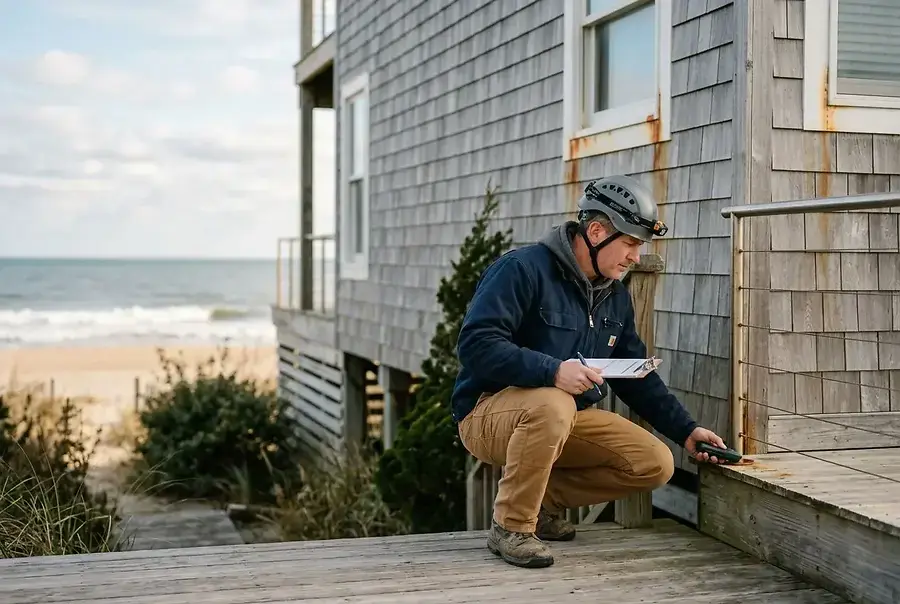
Why Home Inspections Matter in Hampton Roads
Purchasing a home in Hampton Roads is an exciting milestone, but it comes with unique challenges that inland properties don't face. The coastal environment of Virginia's Hampton Roads region—including areas like Norfolk, Virginia Beach, and Williamsburg—presents specific risks that require careful attention during the home inspection process.
A thorough home inspection is your first line of defense against costly repairs and hidden problems. In coastal areas, standard inspections must go deeper to address salt air corrosion, moisture intrusion, and foundation issues that are particularly prevalent near the water. Understanding what inspectors look for and why these factors matter can save you thousands of dollars and protect your investment for years to come.
Why is this especially important in Hampton Roads? The combination of high humidity, salt spray, and proximity to water creates an environment where homes deteriorate faster than in other regions. Without proper inspection and maintenance, minor issues can quickly become major structural problems.
Regional Inspection Priorities: Salt Air, Moisture, and Foundation Concerns
Salt Air Corrosion and Metal Deterioration
One of the most significant concerns for coastal properties is salt air corrosion. Salt particles from the ocean settle on metal surfaces, causing accelerated rust and deterioration. During your inspection, pay special attention to:
- Metal roofing and gutters—Look for rust spots, discoloration, and areas where protective coatings have worn away
- HVAC units and outdoor equipment—These are particularly vulnerable to salt corrosion and may need replacement sooner than expected
- Metal railings and fasteners—Check decks, porches, and exterior stairs for rust and structural integrity
- Plumbing fixtures—Exterior faucets and metal pipes corrode quickly in coastal environments
Inspectors should specifically test metal components for corrosion and recommend protective treatments or replacements as needed.
Moisture Intrusion and Mold Growth
Hampton Roads' high humidity levels create ideal conditions for moisture problems. The combination of salt air and moisture can lead to serious structural damage and health concerns. Key areas to inspect include:
- Basement and crawl spaces—Look for standing water, efflorescence (white salt deposits), and signs of water damage
- Attics and roof decking—Check for water stains, soft wood, and proper ventilation
- Windows and doors—Inspect seals and caulking for gaps that allow moisture penetration
- Exterior walls—Look for peeling paint, soft spots, and water damage on siding
- HVAC systems—Ensure proper drainage and condensation management
Mold testing should be considered if you notice musty odors or visible mold growth. This is not always included in standard inspections but is highly recommended for coastal properties.
Foundation and Structural Issues
Coastal properties face unique foundation challenges due to soil composition, water tables, and salt-laden groundwater. Common concerns include:
- Settling and shifting—Look for cracks in foundations, uneven floors, and doors that don't close properly
- Pilings and support systems—Elevated homes require inspection of pilings for rot, corrosion, and structural integrity
- Soil erosion—Properties near water may experience foundation movement due to soil loss
- Saltwater intrusion—Groundwater contamination can weaken concrete and accelerate deterioration
A structural engineer's evaluation may be necessary for older homes or those showing significant foundation concerns.
What to Expect During the Inspection Process and How to Prepare
The Inspection Timeline
A comprehensive home inspection typically takes 2-4 hours depending on the property's size and condition. The inspector will systematically examine all accessible areas, both interior and exterior. Plan to be present during the inspection so you can ask questions and learn about the property firsthand.
Preparing for Your Inspection
To ensure a thorough inspection, take these steps:
- Provide access—Unlock all doors, gates, and storage areas so the inspector can examine every space
- Clear pathways—Remove obstacles from attics, basements, and crawl spaces
- Gather documentation—Provide records of previous repairs, maintenance, and any known issues
- Ask about coastal-specific concerns—Request that the inspector pay special attention to salt corrosion and moisture issues
- Hire a coastal specialist—Consider using an inspector with specific experience in Hampton Roads properties
Understanding the Inspection Report
After the inspection, you'll receive a detailed report categorizing findings by severity. Reports typically use categories like:
- Critical—Issues requiring immediate attention that affect safety or structural integrity
- Major—Significant problems that will likely need repair within a few years
- Minor—Small issues that are good to know about but not urgent
Review the report carefully and ask your real estate agent or inspector to clarify any findings. Use this information to negotiate repairs or credits with the seller.
Next Steps After Inspection
Once you have the inspection report, you have several options:
- Request repairs—Ask the seller to fix critical and major issues before closing
- Negotiate credits—Request a credit toward closing costs to handle repairs yourself
- Obtain quotes—Get estimates from contractors for major repairs to understand true costs
- Walk away—If issues are too extensive, you may choose to cancel the purchase
Making Informed Decisions with Inspection Results
A home inspection is an investment in your peace of mind and financial security. In Hampton Roads, where coastal conditions accelerate wear and tear, a thorough inspection is not optional—it's essential.
Remember: The goal of a home inspection isn't to find reasons to back out of a deal; it's to understand what you're buying and plan for future maintenance and repairs.
By understanding regional inspection priorities, preparing properly, and carefully reviewing the inspection report, you'll make an informed decision about your coastal property investment. Don't hesitate to ask questions, hire specialists when needed, and use inspection findings to negotiate fair terms.
Your dream coastal home in Hampton Roads awaits—armed with inspection knowledge, you can buy with confidence.