Understanding the Home Inspection Process in Texas
A home inspection is one of the most critical steps in the homebuying process, especially in competitive markets like Irving and Frisco. This professional evaluation examines the structural integrity, mechanical systems, and overall condition of a property before you commit to the purchase.
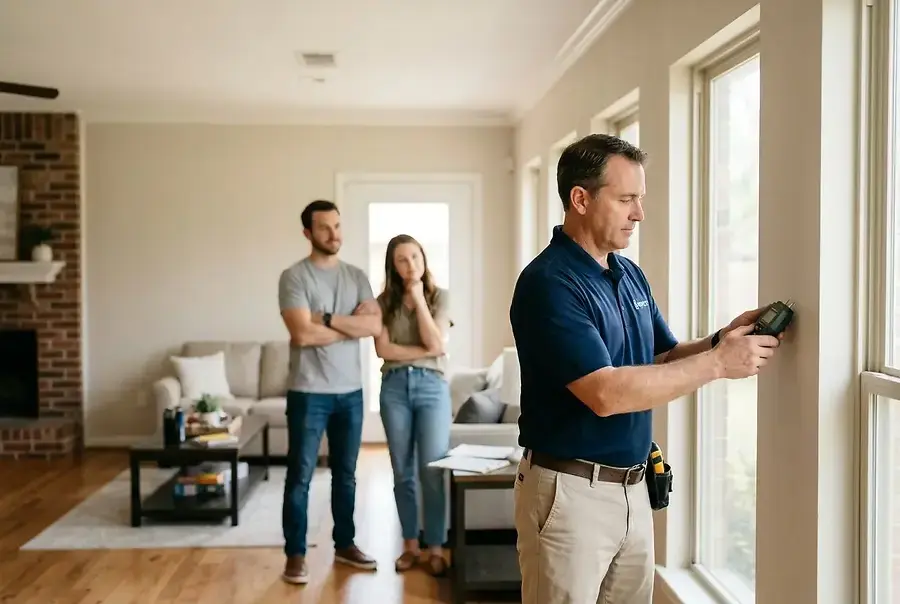
In Texas, home inspectors are regulated by the Texas Real Estate Commission (TREC), ensuring that inspections meet established standards. The typical inspection takes between two to four hours and covers all major systems of the home. As a homebuyer, you have the right to be present during the inspection and ask questions about any concerns the inspector identifies.
What Happens During a Standard Inspection
A comprehensive home inspection includes evaluation of:
- Structural components – Foundation, walls, roof, and framing
- Exterior elements – Siding, windows, doors, and drainage systems
- Roofing systems – Condition, age, and remaining lifespan
- Plumbing – Water pressure, drainage, and pipe conditions
- Electrical systems – Panel, wiring, and outlet safety
- HVAC systems – Heating, cooling, and ventilation functionality
- Interior features – Walls, ceilings, floors, and built-in appliances
Critical Issues to Look for in Irving and Frisco Properties
The Dallas-Fort Worth area, including Irving and Frisco, has unique environmental and structural challenges that homebuyers should understand. Being aware of these common issues can help you make informed decisions and negotiate effectively.
Foundation and Soil-Related Concerns
The expansive clay soil common in North Texas can cause foundation movement and settling. This is one of the most significant issues affecting homes in Irving and Frisco. Look for signs such as cracks in walls, uneven floors, or doors that don't close properly. These indicators suggest potential foundation problems that may require professional assessment and costly repairs.
Roof Condition and Weather Damage
Texas weather, including hail storms and intense sun exposure, can significantly impact roof longevity. During your inspection, verify the roof's age and condition. Most asphalt shingle roofs last 15-20 years, so if your potential home has an older roof, budget for replacement soon after purchase.
HVAC System Efficiency
With hot summers in Irving and Frisco, an efficient air conditioning system is essential. Ensure the HVAC system is properly maintained and functioning optimally. Older units may struggle with the region's heat demands and could require replacement, which is a substantial expense.
Water Intrusion and Drainage Issues
Poor drainage around the foundation can lead to water damage and mold growth. Check for signs of water staining in basements or crawl spaces, and ensure gutters and downspouts direct water away from the home's foundation effectively.
Working with Inspectors and Interpreting Reports
Choosing a Qualified Inspector
Select an inspector who is licensed, insured, and has experience with homes in the Irving and Frisco area. Ask for references and verify their credentials with TREC. A knowledgeable inspector familiar with local building practices and common regional issues will provide more valuable insights.
Understanding the Inspection Report
Home inspection reports typically categorize findings into three levels:
- Safety issues – Problems that pose immediate danger and require urgent attention
- Major repairs – Significant defects that will need addressing within a reasonable timeframe
- Minor repairs – Small issues that don't affect the home's functionality or safety
Don't panic if the report identifies issues. Every home has some defects – the goal is understanding their severity and cost implications. Ask your inspector to explain findings in detail and provide estimates for repairs when possible.
Getting Additional Inspections
For properties with specific concerns, consider specialized inspections such as:
- Termite and pest inspections
- Radon testing
- Mold assessment
- Septic system evaluation (if applicable)
- Pool or spa inspection
These targeted evaluations provide deeper insight into particular systems or concerns identified during the general inspection.
Using Inspection Results to Negotiate and Close with Confidence
Negotiating Repairs and Credits
Once you receive the inspection report, you have several options. You can request that the seller make repairs before closing, ask for a credit toward repairs you'll handle yourself, or renegotiate the purchase price. In competitive Irving and Frisco markets, sellers may be less willing to make repairs, so be strategic about which issues you prioritize.
Focus negotiations on safety issues and major repairs that significantly impact the home's value and livability. Minor cosmetic issues are typically the buyer's responsibility after closing.
Creating a Post-Purchase Action Plan
If the seller won't address certain issues, develop a realistic plan for repairs and maintenance. Prioritize safety concerns and systems that affect daily living. Budget for major repairs like roof replacement or foundation work, and schedule routine maintenance for HVAC systems, plumbing, and electrical components.
Final Walk-Through
Before closing, conduct a final walk-through to confirm that any agreed-upon repairs have been completed satisfactorily. Verify that the home is in the condition you expected and that all negotiated items have been addressed. This final check protects your investment and ensures a smooth closing process.
Moving Forward with Confidence
A thorough home inspection is your best defense against unexpected expenses and safety hazards. By understanding the inspection process, knowing what to look for in Irving and Frisco properties, and using inspection results strategically, you can make informed decisions and protect your investment in this competitive real estate market.
Remember, the goal of a home inspection isn't to find a perfect home – it's to ensure you understand exactly what you're buying and can plan accordingly for your new property.