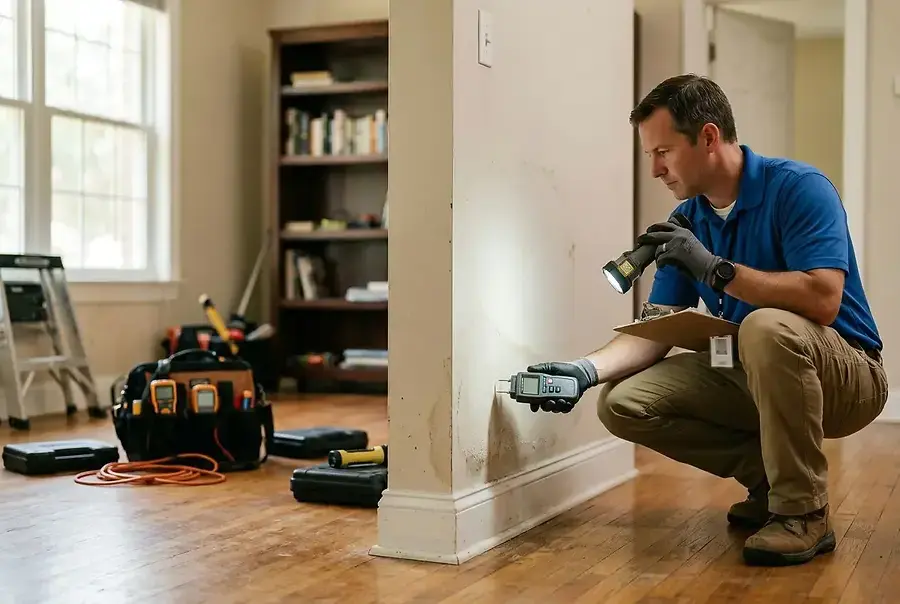
Why Home Inspections Are Critical for Jacksonville Buyers
Purchasing a home is one of the most significant financial decisions you'll make, and in Jacksonville's competitive housing market, it's essential to protect your investment. A professional home inspection serves as your safeguard against hidden defects and costly surprises after closing. Unlike appraisals, which determine a property's market value, inspections focus on the physical condition of the home and its systems.
Jacksonville's unique climate and coastal environment present specific challenges that buyers must understand. The combination of heat, humidity, and occasional flooding can accelerate wear on building materials and create conditions favorable for mold and pest infestations. A thorough inspection reveals these issues before you commit to the purchase, giving you the leverage to negotiate repairs or price adjustments.
Why skip an inspection? You shouldn't. Even newly constructed homes benefit from professional inspections, as builders occasionally miss defects during construction. The inspection fee—typically between $300 and $500—is a small investment compared to the potential cost of addressing major issues after purchase.
Common Structural and Systems Issues Found in Jacksonville Properties
Foundation and Structural Concerns
Jacksonville's sandy soil and high water table create unique foundation challenges. Inspectors look for:
- Cracks in concrete slabs that may indicate settling or moisture problems
- Pier and beam deterioration common in older Jacksonville homes
- Water intrusion signs including efflorescence (white mineral deposits) on foundation walls
- Uneven floors suggesting structural movement or foundation issues
These issues can be expensive to repair, making early detection crucial for your negotiating position.
Roofing and Weather Protection
Jacksonville's weather—including intense sun, heavy rains, and occasional hurricanes—takes a toll on roofing systems. Inspectors examine:
- Shingle condition and age (most roofs last 15-20 years)
- Flashing integrity around chimneys, vents, and skylights
- Attic ventilation to prevent heat buildup and moisture accumulation
- Gutter and downspout functionality for proper water drainage
A failing roof can cost $8,000 to $15,000 to replace, making this one of the most critical inspection areas.
Plumbing Systems
Jacksonville's water quality and aging infrastructure affect plumbing systems significantly. Professional inspectors check:
- Water pressure and flow from all fixtures
- Pipe materials and condition (galvanized pipes may need replacement)
- Drain functionality and signs of clogs or backups
- Water heater age and operation
- Septic systems (if applicable) for proper function and maintenance records
Electrical Systems
Outdated electrical systems pose safety risks and may not support modern appliance loads. Inspectors evaluate:
- Panel capacity and condition to handle current electrical demands
- Grounding and bonding for safety compliance
- GFCI outlets in bathrooms, kitchens, and outdoor areas
- Aluminum wiring (a fire hazard in some older homes)
HVAC and Climate Control
In Jacksonville's hot, humid climate, air conditioning is essential. Inspectors assess:
- System age and efficiency
- Refrigerant levels and proper operation
- Ductwork condition and sealing
- Thermostat functionality
Moisture and Mold Issues
Jacksonville's humidity creates ideal conditions for mold growth. Inspectors look for:
- Visible mold or mildew in bathrooms, basements, and crawl spaces
- Water stains indicating past or present leaks
- Musty odors suggesting hidden moisture problems
- Proper grading around the foundation to direct water away
Navigating Inspection Reports and Negotiating Repairs with Sellers
Understanding Your Inspection Report
A comprehensive inspection report details every system and component evaluated. Reports typically categorize findings as:
- Safety issues requiring immediate attention
- Major repairs affecting home value or functionality
- Minor repairs that are cosmetic or low-priority
- Maintenance recommendations for ongoing care
Take time to review the report thoroughly and ask your inspector to explain any findings you don't understand. Don't let unfamiliar terminology prevent you from grasping critical issues.
Negotiation Strategies
Once you have the inspection report, you have several options:
- Request seller repairs: Ask the seller to fix major issues before closing
- Negotiate a price reduction: Request a credit to cover repair costs yourself
- Request a partial credit: Split the difference between full repair costs and a price reduction
- Accept as-is: Proceed without repairs if issues are minor or you're comfortable addressing them
Focus negotiations on significant structural, safety, and system issues. Sellers are more likely to negotiate on major repairs than cosmetic concerns.
Remember: In Jacksonville's competitive market, your inspection contingency is your strongest negotiating tool—use it wisely.
When to Walk Away
Some inspection findings may indicate problems too costly or complex to resolve. Consider walking away if the inspection reveals:
- Severe foundation damage requiring underpinning
- Extensive mold contamination requiring professional remediation
- Major structural issues affecting the home's integrity
- Hazardous materials like asbestos or lead paint requiring specialized removal
Using Inspection Insights to Make Confident Purchase Decisions
A professional home inspection transforms you from a passive buyer into an informed decision-maker. Armed with detailed knowledge of the property's condition, you can negotiate confidently, budget for necessary repairs, and avoid costly surprises after closing.
In Jacksonville's dynamic real estate market, where properties move quickly and competition is fierce, a thorough inspection ensures you're making a sound investment. Whether you're a first-time buyer or an experienced investor, the inspection report provides the clarity needed to move forward with confidence or walk away with peace of mind.
Your next step: Schedule your inspection within the timeframe specified in your purchase agreement, typically 7-10 days after offer acceptance. Attend the inspection if possible, ask questions, and request a detailed written report. This investment in due diligence protects your financial future and ensures your Jacksonville home purchase is a wise decision for years to come.