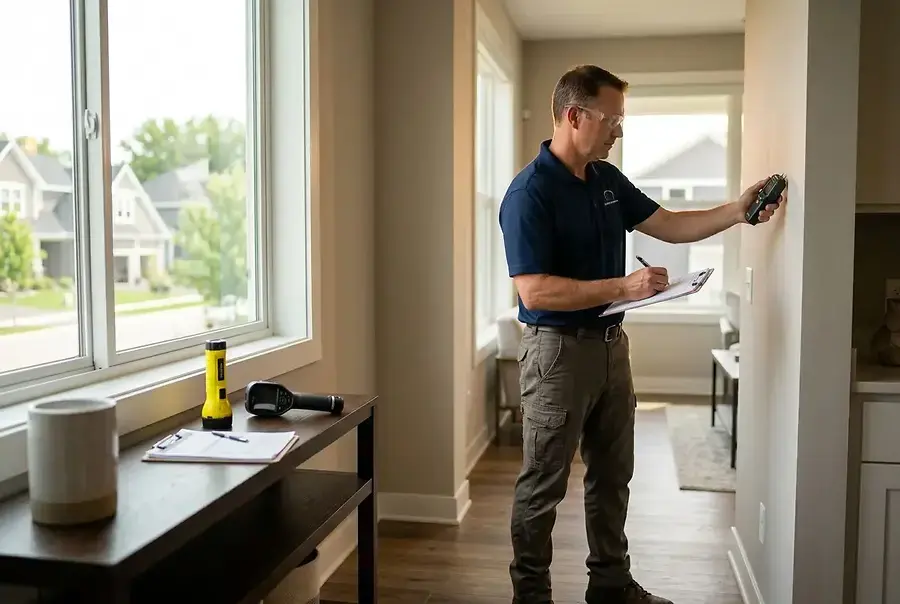
Why Home Inspections Matter in Lakeville's Residential Market
Purchasing a home is one of the most significant financial decisions you'll make in your lifetime. In Lakeville's competitive residential market, a thorough home inspection serves as your essential safeguard against hidden defects and costly repairs. A professional inspection provides an objective assessment of the property's condition, giving you the knowledge needed to negotiate confidently and protect your investment.
Many first-time buyers underestimate the importance of inspections, viewing them as an optional expense. However, skipping this critical step can lead to discovering major issues after closing—when you're legally responsible for repairs. An inspection typically costs between $300 and $500, a small price compared to potential repair bills that could reach thousands of dollars.
Key reasons to prioritize home inspections:
- Identify structural problems before they become catastrophic
- Uncover hidden damage in walls, attics, and crawl spaces
- Evaluate the functionality and safety of critical systems
- Negotiate repairs or price reductions based on findings
- Plan for future maintenance and budgeting
Essential Structural and Foundation Elements to Evaluate
Foundation Assessment
The foundation is literally the backbone of your home. During inspection, professionals examine the foundation for cracks, settling, water damage, and structural movement. Look for warning signs such as:
- Horizontal or diagonal cracks wider than 1/8 inch
- Bowing or leaning walls
- Water stains or moisture accumulation
- Gaps between the foundation and walls
Lakeville's climate and soil composition can affect foundation stability, making this evaluation particularly important for local properties.
Roof and Exterior Inspection
Your roof protects everything beneath it, so its condition directly impacts your home's longevity. Inspectors assess shingle condition, flashing integrity, gutters, and drainage systems. A well-maintained roof typically lasts 20-25 years, but weather exposure and poor maintenance can significantly reduce this lifespan.
The exterior inspection also covers siding, windows, doors, and trim. These elements protect against weather infiltration and contribute to your home's energy efficiency. Pay special attention to:
- Missing or damaged shingles
- Deteriorated caulking around windows and doors
- Rot in wood siding or trim
- Proper grading and drainage away from the foundation
Interior Structural Elements
Inspectors examine walls, ceilings, and floors for signs of structural compromise. Water stains, sagging ceilings, and uneven floors can indicate serious underlying issues. Don't ignore these red flags—they often point to problems with the roof, plumbing, or foundation that require immediate attention.
Systems and Utilities: HVAC, Plumbing, and Electrical Inspection Points
HVAC System Evaluation
Your heating, ventilation, and air conditioning system is crucial for comfort and indoor air quality. Inspectors test both heating and cooling functions, check for proper airflow, and assess the age and maintenance history of the unit. Most HVAC systems last 15-20 years, so an older system may require replacement soon after purchase.
Key inspection points include:
- System age and maintenance records
- Proper thermostat operation
- Ductwork condition and insulation
- Filter accessibility and cleanliness
- Carbon monoxide detector presence and functionality
Plumbing System Assessment
Water damage is one of the most expensive problems homeowners face. A thorough plumbing inspection checks for leaks, water pressure issues, and pipe material. Older homes may have outdated piping materials that are prone to failure, such as galvanized steel or polybutylene pipes.
Inspectors evaluate:
- Water pressure and flow rate
- Visible leaks under sinks and around fixtures
- Water heater age, condition, and capacity
- Drain functionality and signs of blockages
- Sump pump operation (if applicable)
Electrical System Inspection
Electrical safety is paramount. Inspectors examine the main panel, circuit breakers, outlets, and wiring to ensure the system meets current safety standards. Outdated electrical systems can pose fire hazards and may not support modern appliance demands.
Critical inspection elements include:
- Panel capacity and breaker condition
- Proper grounding and bonding
- GFCI outlets in bathrooms and kitchens
- Adequate outlets and no signs of overloading
- Knob-and-tube wiring (a serious safety concern if present)
Using Inspection Results to Make Informed Offers
Once you receive the inspection report, you have several options. Don't panic if issues are discovered—most homes have some minor problems. The key is understanding which issues are deal-breakers and which are manageable.
Categorizing Findings
Organize inspection results into three categories:
- Critical Issues: Structural problems, major system failures, or safety hazards that require immediate attention
- Significant Issues: Problems that will need repair within a few years, such as an aging roof or water heater
- Minor Issues: Cosmetic problems or routine maintenance items
Negotiation Strategies
Use your inspection report as a negotiation tool. You can request the seller make repairs, provide credits for repairs you'll handle, or adjust the purchase price. Be reasonable in your requests—sellers are more likely to negotiate on major issues than minor cosmetic concerns.
Consider obtaining repair estimates for significant issues. This gives you concrete numbers to discuss with the seller and helps you understand the true cost of problems discovered during inspection.
Making Your Final Decision
A thorough home inspection empowers you to make decisions based on facts, not emotions or pressure from the seller or real estate agent.
Take time to review the complete report, consult with your real estate agent, and consider your budget and long-term plans for the property. Remember, no home is perfect, but understanding exactly what you're purchasing allows you to move forward with confidence.
By prioritizing a comprehensive home inspection and carefully analyzing the results, you're taking the most important step toward a successful real estate transaction in Lakeville. This investment in due diligence protects your financial future and ensures you're making an informed decision about one of life's biggest purchases.
