Understanding the Home Inspection Process and Why It Matters
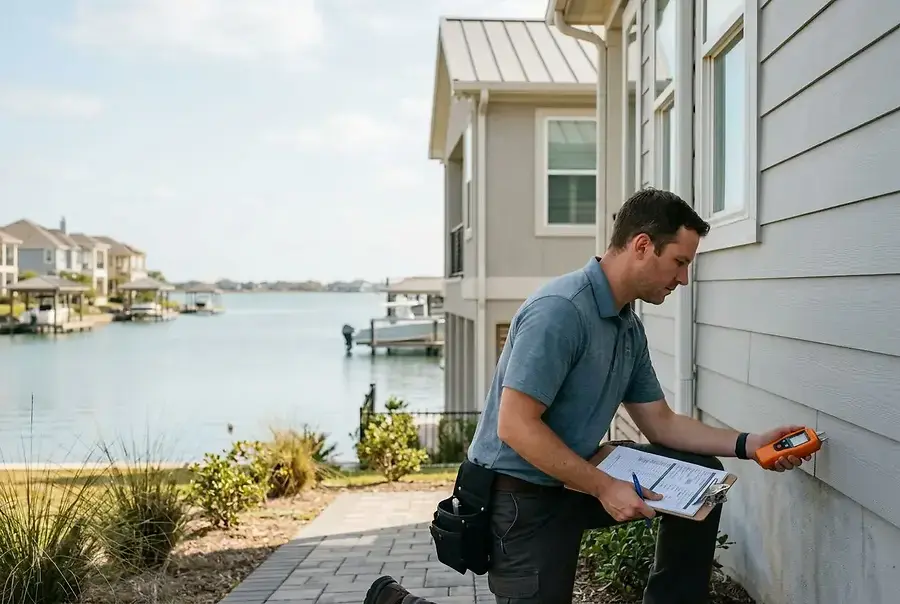
A home inspection is one of the most critical steps in the home-buying process, especially in waterfront communities like League City, Seabrook, Kemah, and surrounding Houston areas. This comprehensive evaluation protects your investment by identifying potential problems before you commit to the purchase. A professional inspector will spend 2-3 hours examining every major system and component of the property, providing you with a detailed report that becomes your negotiating tool.
In Southeast Houston's unique environment, where properties face specific challenges from humidity, salt air, and proximity to water, a thorough inspection is not just recommended—it's essential. Many buyers skip this step to save money, but this decision can cost thousands in unexpected repairs. Your inspection contingency gives you the legal right to walk away from the deal or request repairs if significant issues are discovered.
The Inspector's Role and What to Expect
A certified home inspector is an independent, objective professional who evaluates the property's condition without bias. They are not there to give you a pass-fail grade, but rather to document the property's current state. Inspectors follow the Standards of Practice established by professional organizations, ensuring consistency and thoroughness across all inspections.
You have the right to be present during the inspection. In fact, this is highly recommended. Walking through with the inspector allows you to ask questions, understand issues firsthand, and learn about the property's maintenance needs. This hands-on experience is invaluable for first-time buyers.
Key Areas Inspectors Examine in Southeast Houston Properties
Structural Components and Foundation
The foundation is the backbone of any home. In League City and Seabrook, inspectors pay special attention to:
- Foundation cracks and settling issues
- Signs of water intrusion or moisture damage
- Proper grading and drainage around the foundation
- Pier and beam systems (common in older waterfront homes)
Waterfront properties are particularly susceptible to foundation problems due to soil composition and water exposure. Even minor cracks can indicate larger structural concerns that require professional engineering evaluation.
Roofing and Exterior Systems
Your roof is your home's first line of defense against the elements. Inspectors evaluate:
- Roof age, condition, and remaining lifespan
- Shingles, flashing, and sealant integrity
- Gutters, downspouts, and drainage systems
- Exterior walls, siding, and paint condition
- Windows, doors, and weatherproofing
In coastal areas, salt air accelerates deterioration of roofing materials and metal components. Inspectors look for corrosion and premature aging that's common in Seabrook and Kemah properties.
Plumbing and Water Systems
Water-related issues are among the most expensive to repair. Inspectors check:
- Water pressure and flow rates
- Pipe material and condition (galvanized, copper, PVC)
- Water heater age and functionality
- Drainage systems and septic conditions
- Evidence of leaks or water damage
Waterfront properties often have unique plumbing challenges, including saltwater intrusion and corrosion issues that require specialized knowledge.
Electrical Systems
A safe electrical system is non-negotiable. Inspectors examine:
- Panel capacity and breaker conditions
- Grounding and bonding systems
- Outlet and switch functionality
- Presence of outdated wiring (aluminum, knob-and-tube)
- GFCI protection in wet areas
Older homes in League City may have electrical systems that don't meet current safety codes, requiring upgrades before purchase.
HVAC and Climate Control
Heating and cooling systems are essential in Southeast Houston's humid climate. Inspectors assess:
- Air conditioning and heating functionality
- System age and maintenance history
- Ductwork condition and insulation
- Thermostat operation
- Ventilation and humidity control
Common Issues Found in Waterfront and Bay Area Homes
Moisture and Humidity Damage
The most prevalent issue in Seabrook, Kemah, and League City properties is moisture intrusion and humidity damage. The coastal climate creates ideal conditions for mold growth, wood rot, and corrosion. Inspectors look for:
- Mold or mildew in attics, crawlspaces, and bathrooms
- Wood rot in structural members and trim
- Efflorescence (white mineral deposits) on foundations
- Inadequate ventilation and dehumidification
These issues can be costly to remediate and may indicate larger structural problems.
Salt Air Corrosion
Properties near Galveston Bay experience accelerated corrosion of metal components. This includes:
- Rusted metal roofing and flashing
- Corroded HVAC units and outdoor equipment
- Deteriorated metal railings and hardware
- Compromised electrical connections
Budget for more frequent maintenance and replacement of metal components in waterfront homes.
Flooding and Drainage Issues
With Houston's heavy rainfall and proximity to water bodies, drainage is critical. Inspectors evaluate:
- Elevation and flood zone designation
- Grading and surface water management
- Sump pump functionality and backup systems
- Previous flood damage or water intrusion evidence
- Flood insurance requirements and costs
Understanding your property's flood risk is essential for budgeting and insurance purposes.
Pest and Termite Damage
The warm, humid climate attracts termites and other pests. Inspectors look for:
- Active termite infestations or evidence of past damage
- Carpenter ant damage
- Rodent entry points and contamination
- Inadequate pest prevention measures
Termite damage can be extensive and expensive. A separate termite inspection is often recommended for older properties.
Conclusion: Using Inspection Findings to Negotiate and Protect Your Purchase
Once you receive your inspection report, you have several options. Don't panic if issues are found—most homes have some problems. The key is understanding which issues are deal-breakers and which are manageable.
Use your inspection findings to:
- Request repairs from the seller for significant issues
- Negotiate credits to handle repairs yourself after closing
- Request re-inspection after repairs are completed
- Renegotiate the price based on repair costs
- Walk away if issues are too extensive or costly
In League City, Seabrook, and Kemah's competitive real estate market, a thorough home inspection is your best protection. It provides the information needed to make confident decisions and protects your investment for years to come. Work with your real estate agent and a qualified inspector to ensure you're making an informed purchase in these desirable waterfront communities.
