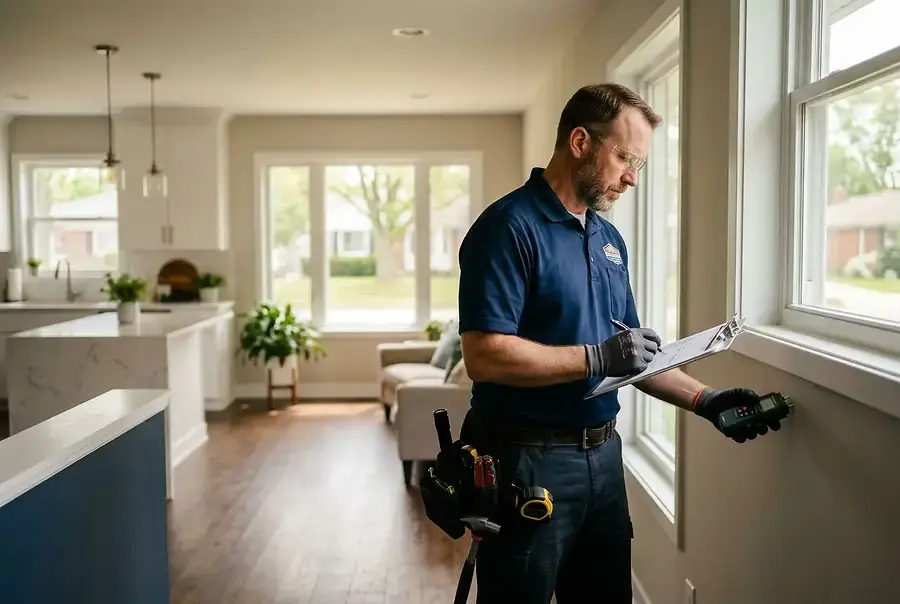
Why Home Inspections Matter in Metro Detroit's Competitive Market
In Metro Detroit's fast-paced real estate market, home inspections serve as your most valuable tool for protecting your investment. Whether you're purchasing a historic home in Grosse Pointe, a modern suburban property in Bloomfield Hills, or a charming residence in Ann Arbor, a professional inspection provides critical insights into the true condition of your potential purchase.
The competitive nature of Michigan's residential market means that buyers often feel pressured to make quick decisions. However, skipping or rushing through a home inspection can lead to costly repairs and unexpected expenses after closing. A thorough inspection gives you the knowledge needed to negotiate effectively and make informed decisions about your investment.
Key Areas Inspectors Evaluate and Red Flags to Watch For
Structural Integrity and Foundation
Professional inspectors begin by examining the foundation and structural components of your home. They look for:
- Cracks in the foundation – Small hairline cracks are normal, but larger cracks may indicate serious structural issues
- Water damage and moisture – Basements in Metro Detroit homes are particularly susceptible to water intrusion
- Settling and shifting – Uneven floors or doors that don't close properly can signal foundation problems
- Deterioration of concrete – Spalling or crumbling concrete requires immediate attention
Roofing and Exterior Systems
Michigan's harsh winters and variable weather patterns make roof inspection essential. Inspectors evaluate:
- Roof age and condition – Most asphalt shingles last 15-20 years; knowing the age helps you plan for replacement
- Missing or damaged shingles – These create entry points for water damage
- Gutters and downspouts – Proper drainage is critical in Michigan's climate
- Flashing around chimneys and vents – Poor flashing leads to leaks and interior damage
- Siding condition – Check for rot, warping, or damage that compromises weather protection
Plumbing and Water Systems
Water-related issues are among the most expensive to repair. Inspectors examine:
- Pipe materials and age – Older galvanized pipes may need replacement; copper and PVC are generally more reliable
- Water pressure and flow – Inadequate pressure can indicate pipe problems
- Drainage systems – Slow drains or backups suggest blockages or deterioration
- Water heater condition – Age, rust, and leaks are critical factors
- Septic systems – If applicable, proper function is essential for homes outside municipal sewers
Electrical Systems
Electrical safety is paramount. Professional inspectors check:
- Panel capacity and condition – Outdated panels may not support modern electrical demands
- Grounding and bonding – Essential for safety and protection against electrical hazards
- GFCI outlets – Required in bathrooms, kitchens, and near water sources
- Wiring condition – Outdated or damaged wiring poses fire risks
- Outlet and switch functionality – Non-functional outlets may indicate deeper issues
HVAC Systems
Heating and cooling systems are critical investments. Inspectors evaluate:
- Age and condition of furnace and air conditioning – Replacement costs can be substantial
- Ductwork integrity – Leaks reduce efficiency and increase energy costs
- Thermostat functionality – Proper operation ensures comfort and efficiency
- Maintenance records – Regular servicing extends system lifespan
Interior Conditions
Inspectors also assess interior elements including:
- Mold and moisture – Common in Michigan basements; can affect health and property value
- Insulation levels – Proper insulation reduces energy costs significantly
- Windows and doors – Functionality and seal integrity matter for energy efficiency
- Flooring condition – Water damage, warping, or structural issues beneath flooring
Preparing for Your Inspection and Understanding the Report
Before the Inspection
Preparation ensures you get the most value from your inspection:
- Hire a qualified inspector – Look for inspectors certified by the American Society of Home Inspectors (ASHI) or Michigan-based professional organizations
- Request a detailed written report – Ensure the inspector provides comprehensive documentation with photos
- Plan to attend the inspection – Being present allows you to ask questions and see issues firsthand
- Review the seller's disclosure – Compare known issues with inspection findings
Understanding Your Inspection Report
A professional inspection report typically categorizes findings into three levels:
Safety Issues: Problems that pose immediate danger and require urgent attention. Examples include faulty electrical wiring, gas leaks, or structural hazards.
Major Repairs: Significant issues that will require substantial investment but aren't immediately dangerous. These might include roof replacement, foundation repairs, or HVAC system replacement.
Minor Repairs: Small issues that should be addressed but don't require immediate action. Examples include caulking gaps, replacing outlet covers, or minor plumbing adjustments.
Take time to understand each finding and ask your inspector to explain the implications and estimated repair costs. This information becomes crucial during negotiations.
Using Inspection Results to Make Confident Offers in Your Target Community
Armed with inspection results, you're positioned to make strategic decisions:
Negotiate repairs or credits: Use inspection findings to request that the seller address major issues or provide credits toward repairs. In Metro Detroit's market, sellers often prefer credits to allow buyers to choose their own contractors.
Adjust your offer price: Factor repair costs into your offer. If a roof replacement costs $12,000 and the inspection reveals imminent replacement needs, adjust your offer accordingly.
Request additional inspections: For significant issues like foundation problems or mold, consider hiring specialized inspectors for detailed assessments.
Make informed decisions: Some buyers walk away from properties with major issues. Others negotiate successfully and proceed. The inspection report gives you the data to make the choice that's right for your situation.
Home inspections are investments in peace of mind and financial protection. In Metro Detroit's competitive residential market, they're essential tools for confident, informed purchasing decisions. By understanding what inspectors evaluate and how to interpret their findings, you'll be better equipped to protect your investment and secure your ideal home in Michigan's premier communities.