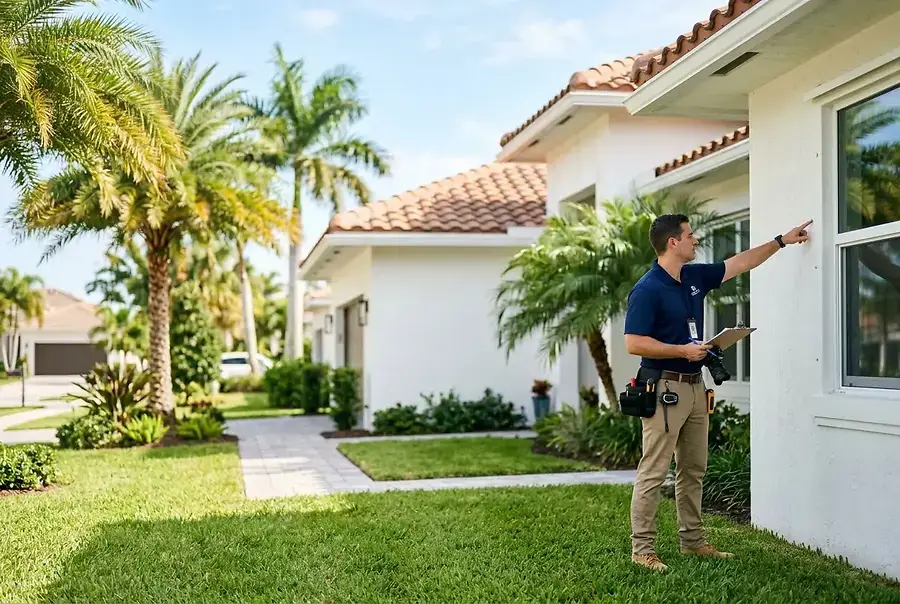
Understanding Miami's Inspection Requirements and Standards
When purchasing residential property in Miami, understanding the inspection requirements and standards is crucial for protecting your investment. Florida law requires that home inspectors be licensed and follow specific guidelines established by the Florida Department of Business and Professional Regulation.
A comprehensive home inspection typically covers:
- Structural integrity and foundation condition
- Roofing systems and materials
- Plumbing and water systems
- Electrical systems and safety
- HVAC and cooling systems
- Interior and exterior components
- Pest and termite damage assessment
Miami's unique climate presents specific challenges that inspectors must evaluate. Salt air corrosion, hurricane preparedness, and moisture intrusion are particularly important considerations in this region. Make sure your inspector has experience with Miami's environmental conditions and building codes.
Common Issues Found in Miami Residential Properties
Moisture and Mold Problems
Miami's humid subtropical climate creates ideal conditions for moisture accumulation and mold growth. This is one of the most frequently discovered issues in residential inspections. Water intrusion through roofs, windows, and foundations can lead to significant structural damage and health concerns if left unaddressed.
Roof Damage and Deterioration
The intense sun, salt spray, and occasional severe weather take a toll on roofing materials. Inspectors commonly find:
- Cracked or missing shingles
- Deteriorated flashing and seals
- Inadequate ventilation
- Age-related wear and tear
Plumbing and Water System Issues
Older Miami properties frequently have outdated plumbing systems. Corroded pipes, low water pressure, and outdated fixtures are common findings. The corrosive nature of Miami's environment accelerates pipe deterioration, particularly in properties built before modern corrosion-resistant materials became standard.
HVAC System Concerns
Air conditioning systems work overtime in Miami's climate. Inspectors often discover inadequate maintenance, refrigerant leaks, and systems that are nearing the end of their operational life. Regular maintenance is essential to prevent costly replacements.
Foundation and Structural Issues
Miami's sandy soil and high water table can cause foundation settling and cracking. While minor cracks are common, significant structural issues require professional engineering evaluation before proceeding with a purchase.
How to Prepare for and Evaluate Your Home Inspection Report
Before the Inspection
Preparation is key to getting the most value from your home inspection. Consider these steps:
- Hire a licensed, experienced Miami-based inspector
- Request a detailed written report format
- Plan to attend the inspection in person
- Prepare a list of specific concerns or areas of interest
- Ask about the inspector's experience with Miami properties
Understanding Your Inspection Report
A thorough inspection report should be organized, detailed, and easy to understand. Look for clear categorization of findings into major and minor issues. The report should include photographs, descriptions of problems, and recommendations for repairs or further evaluation.
Pay special attention to items marked as:
- Safety hazards - Issues that pose immediate danger
- Major repairs needed - Significant expenses anticipated
- Maintenance recommendations - Preventive care suggestions
- Further evaluation required - Items needing specialist assessment
Evaluating Severity and Cost
Not all inspection findings are deal-breakers. Understanding the difference between cosmetic issues and structural problems is essential. A missing shingle is different from a roof requiring replacement. A slow drain is different from a failed septic system. Work with your real estate agent and inspector to prioritize findings by severity and estimated repair costs.
Pro Tip: Obtain repair estimates from licensed contractors for major findings. This gives you concrete numbers for negotiation and helps you make informed decisions about proceeding with the purchase.
Next Steps After Inspection: Negotiation and Decision Making
Analyzing Your Options
After receiving your inspection report, you have several options:
- Proceed without changes - Accept the property as-is
- Request repairs - Ask the seller to fix identified issues
- Request credits - Negotiate a price reduction for repairs you'll handle
- Renegotiate the purchase price - Adjust the offer based on findings
- Walk away - Terminate the contract if issues are too significant
Negotiation Strategies
In Miami's competitive market, strategic negotiation is crucial. Focus on major issues that affect safety, structural integrity, or long-term value. Sellers are more likely to address significant problems than minor cosmetic issues. Be prepared with contractor estimates and prioritize your requests.
Remember that the inspection contingency period is your opportunity to conduct due diligence. Use this time wisely to gather information and make informed decisions about your investment.
Making Your Final Decision
Consider the total cost of ownership, including anticipated repairs and maintenance. A property with identified issues might still be a good investment if the price reflects those costs. Conversely, a seemingly perfect property might be overpriced for the Miami market.
Consult with your real estate agent, inspector, and financial advisor before making your final decision. This is one of the largest financial decisions you'll make – taking time to evaluate all factors thoroughly is always worthwhile.
By understanding Miami's inspection requirements, recognizing common issues, properly evaluating your report, and strategically negotiating based on findings, you'll be well-equipped to make a confident, informed decision about your residential property purchase in this dynamic market.
