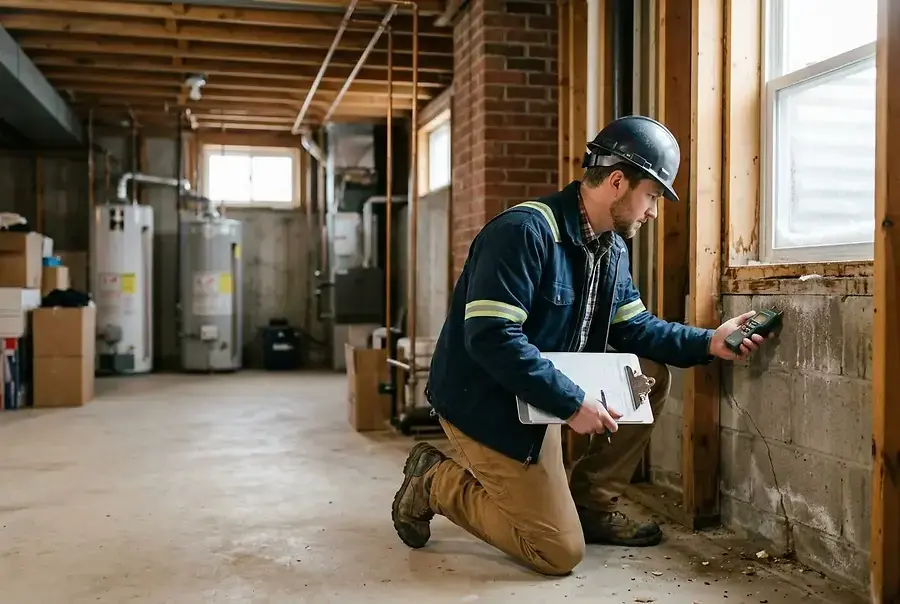
Introduction: Why Home Inspections Matter in Michigan's Real Estate Market
Purchasing a home is one of the most significant financial decisions you'll make in your lifetime. In Michigan's competitive real estate market, particularly in sought-after communities like Birmingham, Rochester, and Sterling Heights, a professional home inspection serves as your critical safeguard against costly surprises. A thorough inspection provides an objective assessment of a property's condition, helping you make informed decisions and negotiate repairs or price adjustments before closing.
Home inspections are not just a formality—they're an essential investment in your peace of mind. Michigan's climate, with its harsh winters and seasonal temperature fluctuations, can take a toll on residential properties. Understanding what inspectors look for and what issues commonly arise in Southeast Michigan homes empowers you to protect your investment and avoid unexpected expenses after purchase.
What Professional Inspectors Evaluate in Southeast Michigan Homes
Structural Components and Foundation
Professional inspectors begin by examining the foundation, which is critical in Michigan where freeze-thaw cycles can cause significant damage. They assess for cracks, settling, water intrusion, and structural integrity. The inspector will evaluate basement walls, crawl spaces, and the overall stability of the home's foundation—essential factors given Michigan's soil conditions and weather patterns.
Roofing and Exterior Systems
The roof is your home's first line of defense against Michigan's unpredictable weather. Inspectors examine:
- Shingle condition and age
- Flashing around chimneys and vents
- Gutters and downspout functionality
- Siding integrity and water damage
- Windows and door seals
Proper drainage is particularly important in Southeast Michigan, where heavy rains and snow melt can lead to water damage if systems aren't functioning correctly.
Plumbing and Water Systems
Inspectors evaluate water supply lines, drainage systems, and fixtures throughout the home. They check for:
- Water pressure and flow
- Pipe material and condition
- Signs of leaks or corrosion
- Water heater age and functionality
- Sump pump operation (critical in Michigan)
Electrical Systems
A comprehensive electrical inspection ensures safety and code compliance. Inspectors examine the main panel, circuit breakers, outlets, and wiring throughout the home. They verify that the electrical system is adequate for modern appliances and identifies any outdated or hazardous components.
HVAC Systems
Heating and cooling systems are vital in Michigan's climate. Inspectors assess furnace condition, air conditioning functionality, ductwork integrity, and thermostat operation. They evaluate whether systems are appropriately sized for the home and check maintenance records when available.
Interior Components
Inspectors examine walls, ceilings, floors, and insulation for damage, moisture issues, and proper installation. They also assess doors, windows, and built-in appliances to ensure everything functions as intended.
Common Issues Found in Birmingham, Rochester, and Sterling Heights Properties
Water Damage and Moisture Problems
Water intrusion is the most frequently identified issue in Southeast Michigan homes. Michigan's climate brings significant precipitation and snow melt, making water management critical. Common problem areas include:
- Basement water seepage and flooding
- Roof leaks and ice dam damage
- Improper grading around foundations
- Clogged or damaged gutters
- Basement window well issues
Addressing water issues promptly prevents mold growth, structural damage, and costly remediation expenses.
Aging Roofs and Weather Damage
Many homes in Birmingham, Rochester, and Sterling Heights feature roofs nearing the end of their lifespan. Michigan's freeze-thaw cycles, heavy snow loads, and wind can accelerate roof deterioration. Inspectors often recommend roof replacement or repairs, which can be a significant expense for buyers to anticipate.
Outdated Electrical Systems
Older homes in these communities may have outdated electrical panels, aluminum wiring, or insufficient capacity for modern electrical demands. Upgrading electrical systems to meet current codes and safety standards is a common recommendation.
HVAC System Age and Efficiency
Furnaces and air conditioning systems typically last 15-20 years. Many inspections reveal aging HVAC systems that may fail soon, requiring buyers to budget for replacement. Older systems are also less energy-efficient, leading to higher utility costs.
Plumbing Issues
Older homes may have galvanized pipes that corrode over time, reducing water pressure and quality. Some properties still feature outdated materials that inspectors recommend replacing. Sump pump failures are also common concerns in Michigan basements.
Insulation and Energy Efficiency Gaps
Inadequate insulation in attics, walls, and crawl spaces is frequently noted in inspection reports. Improving insulation reduces heating and cooling costs—an important consideration in Michigan's climate.
Conclusion: Using Inspection Reports to Make Confident Purchasing Decisions
A professional home inspection provides invaluable information that empowers you to make confident purchasing decisions. In Birmingham, Rochester, and Sterling Heights, where properties vary widely in age and condition, inspections reveal what you're truly investing in.
Remember: an inspection isn't meant to scare you away from a property—it's designed to inform you and protect your investment.
Use your inspection report strategically. Work with your real estate agent to prioritize findings, request repairs for critical issues, or negotiate price reductions for items you'll address yourself. Understanding common Michigan-specific issues helps you ask informed questions and evaluate whether a property aligns with your budget and timeline.
Whether you're purchasing a charming historic home or a newer construction property, a thorough home inspection is your best defense against costly surprises. By understanding what inspectors evaluate and what issues commonly arise in Southeast Michigan properties, you're taking a crucial step toward protecting your investment and ensuring your new home is safe, sound, and ready for your family.