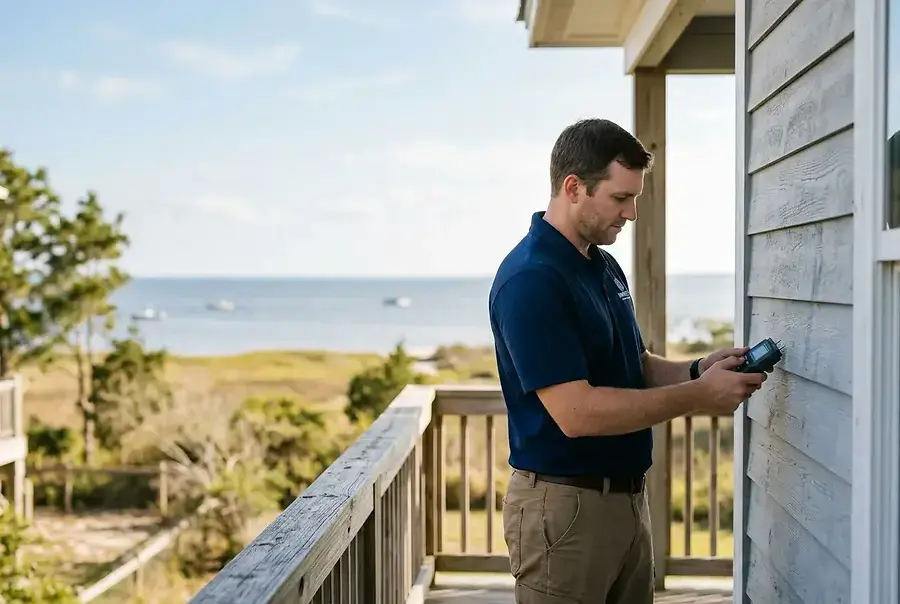
Why Home Inspections Matter for Coastal Properties
Purchasing a home is one of the most significant investments you'll make in your lifetime. Whether you're buying in Mobile, Fairhope, or Theodore, a professional home inspection is essential to protecting that investment. Coastal properties face unique challenges that inland homes don't encounter, making thorough inspections even more critical in these Alabama Gulf Coast communities.
Home inspections provide you with an objective assessment of your potential property's condition before you commit to the purchase. They uncover hidden problems, verify that systems are functioning properly, and give you the information needed to make informed decisions. In coastal areas, inspectors pay special attention to moisture damage, salt air corrosion, and weather-related wear that can significantly impact your home's value and safety.
Understanding the Inspection Process and What Inspectors Look For
The Comprehensive Walkthrough
A standard home inspection typically lasts two to three hours and covers the entire property, inside and out. Professional inspectors examine:
- Structural components – foundation, walls, roof, and framing
- Exterior elements – siding, windows, doors, and drainage systems
- Roofing systems – condition, age, and potential leaks
- Plumbing – pipes, fixtures, water pressure, and drainage
- Electrical systems – panels, wiring, outlets, and safety features
- HVAC systems – heating, cooling, and ventilation functionality
- Interior spaces – walls, ceilings, floors, and built-in appliances
What Makes Coastal Inspections Different
Inspectors in Mobile, Fairhope, and Theodore pay particular attention to salt air corrosion, which can deteriorate metal components faster than in inland areas. They also assess flood risk, check for proper drainage around the foundation, and inspect for signs of previous water damage. The proximity to the Gulf of Mexico means inspectors must evaluate how well a home can withstand hurricane-force winds and heavy rainfall.
The Inspection Report
After the inspection, you'll receive a detailed report documenting the inspector's findings. This report categorizes issues by severity and provides recommendations for repairs or further evaluation. Understanding this report is crucial for negotiating repairs or credits with the seller before closing.
Common Issues in Mobile, Fairhope & Theodore Homes and How to Address Them
Moisture and Water Damage
The humid coastal climate creates an environment where moisture problems thrive. Common issues include:
- Roof leaks and damaged shingles
- Water intrusion around windows and doors
- Foundation cracks allowing water seepage
- Inadequate grading causing water to pool near the home
How to address it: Request that the seller repair any identified leaks before closing. For minor issues, negotiate a credit to handle repairs yourself. Always ensure proper drainage around your foundation and maintain gutters regularly.
Salt Air Corrosion
Metal components deteriorate quickly in coastal environments. Inspectors look for rust on HVAC units, corroded electrical components, and deteriorating metal roofing or flashing.
How to address it: Budget for more frequent maintenance of metal components. Consider upgrading to corrosion-resistant materials during repairs. Regular cleaning and protective coatings can extend the life of vulnerable elements.
Roof Condition and Age
Coastal storms and salt air take a toll on roofing materials. Inspectors assess shingle condition, flashing integrity, and overall roof age. Most asphalt shingle roofs last 15-20 years, but coastal conditions may reduce this lifespan.
How to address it: If the roof is nearing the end of its life, negotiate for replacement or a substantial credit. Consider impact-resistant shingles designed to withstand coastal weather.
HVAC and Electrical Systems
Coastal humidity accelerates wear on air conditioning systems. Electrical components may show signs of corrosion or improper installation. These systems are critical in the Gulf Coast climate.
How to address it: Request maintenance records and consider having the HVAC system professionally serviced. Ensure electrical panels and components meet current safety codes.
Foundation and Structural Issues
Coastal properties may experience foundation settling due to soil conditions or water-related problems. Inspectors look for cracks, uneven floors, and signs of movement.
How to address it: Minor cracks are often cosmetic, but significant structural issues require professional engineering evaluation. Don't proceed with a purchase if major structural problems are identified without expert assessment.
Flood Risk and Elevation
Understanding your property's flood zone designation is essential. Inspectors note elevation relative to flood plains and assess whether the home meets current building codes for your area.
How to address it: Review flood maps and insurance requirements. Factor flood insurance costs into your budget if the property is in a high-risk zone. Verify that any flood mitigation measures are properly installed.
Making Informed Decisions Before Closing
A home inspection report can feel overwhelming, but it's a valuable tool for making smart decisions. Not every issue requires renegotiation – some findings are minor maintenance items that come with any home. Focus on significant structural problems, safety hazards, and costly repairs.
Use the inspection report to:
- Request repairs for major issues before closing
- Negotiate credits for problems you'll handle yourself
- Plan a maintenance budget for identified concerns
- Verify that systems are functioning as expected
- Gain peace of mind about your investment
In Mobile, Fairhope, and Theodore, working with a local inspector who understands coastal property challenges is invaluable. They'll recognize issues specific to the region and help you understand how the Gulf Coast environment affects your home's maintenance needs.
Remember: A thorough home inspection is your opportunity to make an informed decision about one of life's biggest purchases. Take time to review the report, ask questions, and consult with professionals about any concerns. Your future self will thank you for the diligence you invest today.