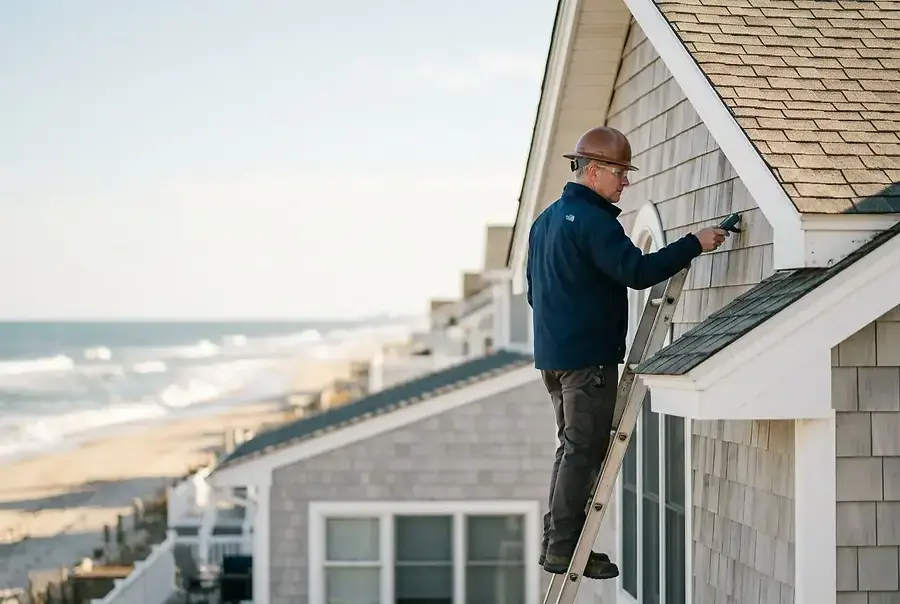
Understanding the Home Inspection Process for Shore Properties
Purchasing a home at the New Jersey Shore is an exciting investment, but it requires careful due diligence. A professional home inspection is one of the most critical steps in the buying process, especially for coastal properties that face unique environmental challenges.
A typical home inspection lasts between two to four hours and involves a thorough examination of the property's structural integrity, mechanical systems, and overall condition. During this time, a certified inspector will evaluate everything from the foundation to the roof, checking for signs of damage, wear, and potential safety hazards.
What Inspectors Look For
Professional home inspectors focus on several key areas when evaluating shore properties:
- Structural Components: Foundation, walls, floors, and roof integrity
- Mechanical Systems: HVAC, plumbing, electrical systems, and water heaters
- Exterior Elements: Siding, windows, doors, decks, and drainage systems
- Interior Conditions: Walls, ceilings, insulation, and flooring
- Safety Features: Smoke detectors, carbon monoxide detectors, and handrails
For coastal properties specifically, inspectors pay special attention to salt spray damage, moisture intrusion, and weather-related wear that accelerates deterioration in shore environments.
Common Issues Found in Coastal Homes and How to Address Them
Homes at the Jersey Shore face distinct challenges due to their proximity to the ocean. Understanding these common issues helps you make informed decisions about your investment.
Salt Spray and Corrosion
Salt air corrodes metal components faster than in inland areas. This affects gutters, downspouts, metal railings, and HVAC units. Solution: Regular maintenance and using corrosion-resistant materials during repairs can extend the lifespan of these components significantly.
Moisture and Mold Issues
High humidity levels and salt spray create ideal conditions for moisture accumulation and mold growth. These problems often develop in basements, crawl spaces, and around windows. Solution: Proper ventilation, dehumidifiers, and waterproofing treatments can prevent and address moisture-related damage.
Foundation and Basement Concerns
Coastal properties often experience foundation settling due to sandy soil conditions and water table fluctuations. Basements may show signs of water seepage or efflorescence (white mineral deposits). Solution: Professional waterproofing, sump pump installation, and proper grading around the foundation can mitigate these issues.
Roof and Weather Damage
Coastal storms and high winds take a toll on roofing materials. Missing shingles, damaged flashing, and compromised structural support are common findings. Solution: Regular roof inspections, prompt repairs, and upgrading to impact-resistant materials provide better long-term protection.
Red Flags to Watch For in Jersey Shore Real Estate Transactions
Beyond standard inspection findings, certain warning signs should prompt further investigation or negotiation with the seller.
Previous Flood or Storm Damage
Ask about the property's history with flooding or major storms. Look for evidence of water damage, including staining on walls, warped wood, or replaced flooring. Important: Verify flood insurance requirements and costs, as these can significantly impact your long-term expenses.
Deferred Maintenance
Properties showing signs of neglected maintenance often hide more serious problems. Peeling paint, deteriorated caulking, and overgrown landscaping may indicate that critical systems haven't been properly maintained. Request documentation of recent repairs and maintenance records.
Outdated or Failing Systems
Aging electrical panels, original plumbing from decades past, and deteriorating HVAC systems require immediate attention. These upgrades can be expensive, so factor replacement costs into your offer negotiations.
Structural Concerns
Cracks in the foundation, sloping floors, or doors that don't close properly indicate structural issues. These problems require professional evaluation and can be costly to repair. Never ignore these warning signs.
Pest Infestation Evidence
Look for signs of termites, carpenter ants, or other wood-destroying insects. Coastal humidity makes shore properties particularly vulnerable to pest damage. Professional pest inspections may be warranted if concerns arise.
Moving Forward with Confidence After Your Inspection
Once you receive the inspection report, you have several options for moving forward with your purchase.
Reviewing the Report
Take time to carefully review the inspection report with your real estate agent. Ask questions about any findings you don't understand. The inspector should be available to clarify concerns and explain the severity of identified issues.
Negotiating Repairs or Credits
Based on inspection findings, you can request that the seller make repairs before closing or provide credits toward repairs you'll handle yourself. Prioritize major structural and safety issues over cosmetic concerns. Focus negotiations on items that affect the property's value and safety.
Obtaining Specialized Inspections
For significant concerns, consider hiring specialists:
- Structural engineers for foundation issues
- Mold specialists for moisture and mold concerns
- Pest control professionals for infestation evidence
- Roofing contractors for roof damage assessment
Planning Your Budget
Use inspection findings to create a realistic maintenance and repair budget for your first year of ownership. Set aside funds for addressing deferred maintenance and preparing for coastal-specific challenges like salt spray damage and weather-related wear.
"A thorough home inspection is your best defense against costly surprises after closing. Don't rush this critical step in your Jersey Shore home purchase."
Final Thoughts
Purchasing a home at the New Jersey Shore is a wonderful investment in your future. By understanding the inspection process, recognizing common coastal issues, and knowing what red flags to watch for, you can make confident decisions that protect your investment. Work closely with experienced professionals who understand the unique challenges of shore properties, and you'll be well-positioned to enjoy your coastal home for years to come.