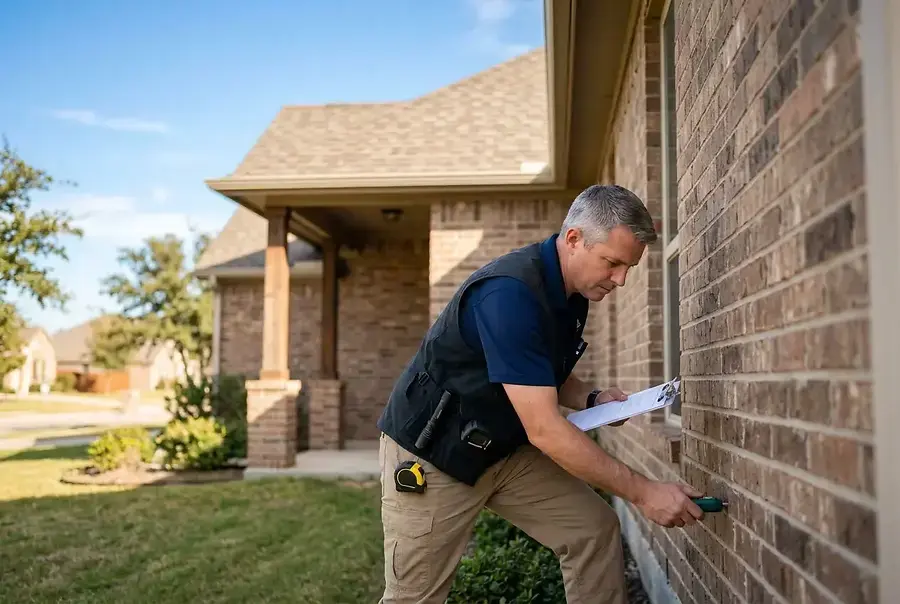
Why Home Inspections Matter in North Texas
Purchasing a home is one of the most significant investments you'll make in your lifetime. In North Texas, where properties range from historic homes to modern developments, a thorough home inspection is absolutely essential. An inspection provides you with a detailed understanding of your potential property's condition, helping you avoid costly surprises after closing.
North Texas homes face unique environmental challenges, including intense heat, occasional severe weather, and soil composition issues that can affect foundations and structures. A qualified home inspector will identify these region-specific concerns and provide you with actionable information to negotiate repairs or adjustments to your offer.
Why should you invest in a professional inspection? Beyond peace of mind, inspections protect your financial interests by uncovering hidden defects that could cost thousands to repair. They also give you leverage in negotiations and help you plan for future maintenance.
Key Areas to Evaluate During Your Home Inspection
Foundation and Structural Integrity
The foundation is your home's most critical component. North Texas properties are particularly susceptible to foundation issues due to expansive clay soils that shift with moisture changes. Your inspector should examine:
- Visible cracks in the foundation or walls
- Uneven floors or sloping surfaces
- Signs of water damage or moisture intrusion
- Proper grading around the property to ensure water drainage away from the foundation
Roof and Exterior
North Texas experiences intense sun exposure and occasional hail storms, making roof condition critical. Inspectors will evaluate:
- Roof age and remaining lifespan
- Missing or damaged shingles
- Proper ventilation and attic conditions
- Gutters, downspouts, and drainage systems
- Exterior siding, paint, and weatherproofing
HVAC Systems
With North Texas summers reaching extreme temperatures, a functioning air conditioning system is non-negotiable. Your inspection should cover:
- Age and efficiency of the AC unit
- Proper refrigerant levels
- Heating system functionality
- Ductwork condition and insulation
- Thermostat operation
Plumbing and Water Systems
Water quality and plumbing integrity are essential for daily living. Inspectors will check:
- Water pressure and flow rates
- Pipe materials and condition (older homes may have outdated piping)
- Water heater age and functionality
- Signs of leaks or water damage
- Septic systems or municipal water connections
Electrical Systems
Electrical safety is paramount. Your inspector will examine:
- Panel condition and capacity
- Proper grounding and bonding
- Outlet and switch functionality
- Signs of outdated wiring or fire hazards
- GFCI protection in wet areas
Common Issues Found in North Texas Properties
Foundation Movement and Settling
Due to North Texas's clay-heavy soil composition, foundation issues are among the most common problems found during inspections. Expansive soils absorb moisture and expand, then shrink during dry periods, causing stress on foundations. Look for diagonal cracks in drywall, sticking doors and windows, or visible foundation cracks.
Roof Damage from Weather
Hail storms and intense UV exposure can damage roofs prematurely. Many North Texas homes show signs of weather-related wear that may not be immediately visible. A professional inspector can identify areas where replacement or repair is needed.
AC System Strain
The demanding cooling season in North Texas puts significant strain on air conditioning systems. Older units may struggle to maintain comfortable temperatures during peak summer months, leading to high energy bills or complete system failure.
Water Intrusion and Moisture Issues
Poor drainage, improper grading, or aging roofs can lead to water intrusion in attics, basements, or crawl spaces. Moisture problems can lead to mold growth and structural damage if left unaddressed.
Outdated Electrical Systems
Older North Texas homes may have outdated electrical panels or wiring that doesn't meet current safety standards. This is a safety concern that should be addressed before purchase.
Using Inspection Results to Make Confident Offers
Understanding Your Inspection Report
A comprehensive inspection report will categorize issues by severity. Critical items require immediate attention, major items should be addressed within a reasonable timeframe, and minor items are cosmetic or low-priority concerns.
Negotiating Repairs and Credits
Once you receive your inspection report, you have several options:
- Request that the seller make specific repairs before closing
- Negotiate a credit toward closing costs to handle repairs yourself
- Request a price reduction to account for necessary repairs
- Walk away from the deal if issues are too significant
In North Texas's competitive market, understanding which issues are deal-breakers versus negotiable items is crucial. Foundation problems, for example, may require professional assessment before deciding to proceed.
Planning for Future Maintenance
Even if the inspection reveals only minor issues, use the report to plan your maintenance schedule. Understanding your home's age, condition, and specific vulnerabilities helps you budget for future repairs and avoid emergency expenses.
Pro Tip: Always hire a licensed, experienced inspector familiar with North Texas properties. Their regional knowledge is invaluable in identifying issues specific to our climate and soil conditions.
Conclusion
A home inspection is your opportunity to make an informed decision about one of life's biggest purchases. In North Texas, where unique environmental factors can affect property condition, a thorough inspection is not just recommended—it's essential. By understanding what to look for, recognizing common regional issues, and knowing how to use inspection results in negotiations, you'll be equipped to make confident offers and protect your investment for years to come.
Don't skip this critical step in the homebuying process. Your future self will thank you for the due diligence you perform today.