Understanding the Home Inspection Process and What to Expect
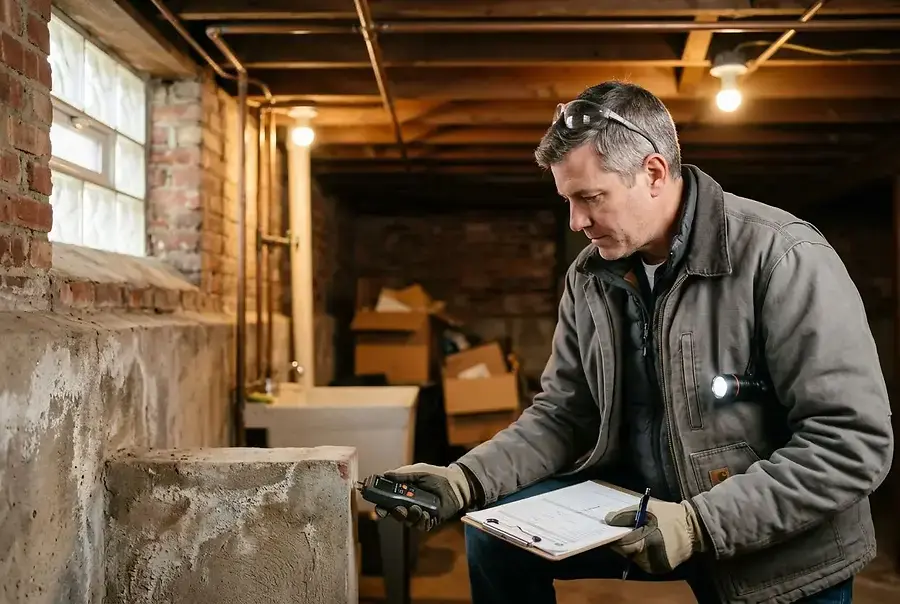
A home inspection is one of the most critical steps in the homebuying process. This professional evaluation typically lasts two to three hours and involves a thorough examination of the property's structure, systems, and components. As a Northern Kentucky homebuyer, understanding what happens during this process will help you make informed decisions about your potential investment.
During the inspection, a certified home inspector will examine both the interior and exterior of the property. They'll check everything from the roof and foundation to plumbing, electrical systems, HVAC units, and appliances. The inspector will provide you with a detailed written report documenting their findings, including photographs and recommendations for repairs or further evaluation.
What You Should Do Before the Inspection
Attend the inspection in person whenever possible. This allows you to ask questions directly and understand the inspector's concerns. Walk through the property with them, take notes, and request clarification on any issues they identify. Having this hands-on experience will give you a clearer picture of the home's condition than reading the report alone.
Key Structural and Systems Areas to Evaluate Carefully
Certain components of a home require special attention during inspection. These areas can be expensive to repair or replace, making them critical to your decision-making process.
Foundation and Structural Integrity
The foundation is the backbone of any home. Inspectors will look for cracks, settling, water damage, and signs of structural movement. In Northern Kentucky's climate, foundation issues can develop due to soil composition and moisture fluctuations. Any significant cracks or bowing walls should be taken seriously and may require professional structural assessment.
Roofing and Exterior
The roof protects everything beneath it, so its condition is paramount. Inspectors evaluate shingle condition, flashing, gutters, and overall structural integrity. They'll assess the roof's remaining lifespan and identify any areas prone to leaks. The exterior walls, windows, and doors should also be examined for water intrusion and weatherproofing issues.
Plumbing Systems
Water damage is one of the costliest issues homeowners face. Inspectors test water pressure, check for leaks, evaluate pipe materials, and assess the water heater's condition. They'll also examine drainage systems and look for signs of past or present water problems in basements and crawl spaces.
Electrical and HVAC Systems
Modern homes require reliable electrical systems and climate control. Inspectors verify that electrical panels are properly grounded, outlets are safely installed, and the system can handle current demands. HVAC systems are tested for proper operation, and their age and maintenance history are documented.
Common Issues Specific to Northern Kentucky Properties
The tri-state region has unique environmental and construction characteristics that create specific inspection concerns for homebuyers.
Moisture and Basement Issues
Northern Kentucky's climate and soil composition make moisture problems common. Many older homes in the region have basements that are prone to dampness, seepage, or flooding. Look for efflorescence (white mineral deposits), mold growth, water stains, and sump pump systems. These issues can affect indoor air quality and structural integrity.
Aging Infrastructure
Many Northern Kentucky homes were built decades ago with materials that have since become outdated. Knob-and-tube wiring, galvanized pipes, and asbestos insulation are common findings in older properties. While not always dangerous, these materials may need replacement and should be factored into your budget.
Soil and Drainage Concerns
The region's clay-heavy soil can cause drainage problems and foundation stress. Poor grading around the home can direct water toward the foundation rather than away from it. Inspectors will evaluate the landscape's slope and the effectiveness of gutters and downspouts in managing water runoff.
Radon and Air Quality
Northern Kentucky sits in an area with moderate to high radon potential. This naturally occurring radioactive gas can accumulate in basements and lower levels. While not always detected during a standard home inspection, radon testing is highly recommended and relatively inexpensive.
Taking Action: How to Respond to Inspection Findings
Once you receive the inspection report, you'll need to decide how to proceed. Not every issue requires immediate action, but understanding the severity of findings is crucial.
Prioritizing Issues by Severity
Categorize findings into three groups:
- Critical Issues: Problems affecting safety or structural integrity, such as electrical hazards, foundation damage, or roof leaks
- Major Issues: Expensive repairs like HVAC replacement, plumbing overhauls, or significant water damage
- Minor Issues: Cosmetic problems or routine maintenance items that don't pose immediate concerns
Negotiating with the Seller
Use the inspection report as a negotiation tool. You have several options: request that the seller make repairs before closing, ask for a credit toward repairs you'll handle yourself, or renegotiate the purchase price. Be reasonable in your requests—sellers are more likely to accommodate legitimate safety concerns than cosmetic issues.
Getting Professional Assessments
For significant findings, consider hiring specialists. A structural engineer can evaluate foundation concerns, a plumber can assess pipe conditions, and a roofer can provide repair estimates. These professional opinions strengthen your negotiating position and give you accurate cost projections.
Planning Your Budget
Factor inspection findings into your overall homebuying budget. Set aside funds for repairs and maintenance, especially for older Northern Kentucky homes. Remember that a home inspection is an investment in your peace of mind and financial security.
A thorough home inspection can reveal issues that might cost thousands to repair. Taking time to understand the report and respond appropriately protects your investment and helps you avoid costly surprises after closing.
Moving Forward with Confidence
Whether the inspection reveals minor issues or significant concerns, you now have the information needed to make an informed decision. Work with your real estate agent and inspector to understand the implications of any findings. Don't let inspection results discourage you from a home you love—instead, use them to negotiate fairly and plan for necessary repairs. With proper due diligence, you'll be well-prepared to make a smart investment in your Northern Kentucky home.