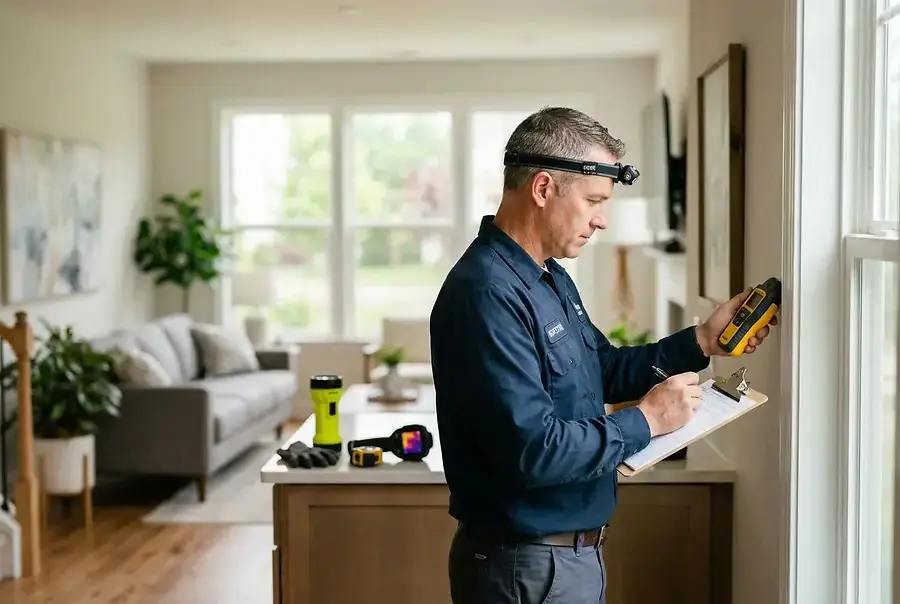
Why Home Inspections Matter in Northern Virginia
Purchasing a home is one of the most significant financial decisions you'll make. In Northern Virginia, where the real estate market is competitive and property values continue to rise, a professional home inspection is not just recommended—it's essential. A thorough inspection can reveal hidden issues that could cost thousands of dollars to repair after closing, giving you the leverage to negotiate repairs or price adjustments before you sign the final papers.
Home inspections serve as your protection against unforeseen problems. Whether you're buying in Stafford, Fredericksburg, or the surrounding areas, understanding what inspectors look for helps you make informed decisions and avoid costly surprises down the road.
What Inspectors Examine: Systems, Structure, and Common Issues
Structural Components
Professional inspectors begin by evaluating the home's foundation and structural integrity. They look for cracks in the foundation, settling issues, and water damage that could indicate serious problems. In Northern Virginia's climate, where freeze-thaw cycles are common, foundation issues are particularly important to identify early.
Inspectors also examine:
- Roof condition and remaining lifespan
- Exterior walls and siding for damage or deterioration
- Windows and doors for proper sealing and operation
- Decks and porches for structural soundness
Electrical Systems
The electrical system is critical to your home's safety. Inspectors check the main panel, wiring, outlets, and switches to ensure everything meets current safety codes. Outdated wiring, insufficient grounding, or overloaded circuits are common issues in older Northern Virginia homes that can pose fire hazards.
Plumbing and Water Systems
Water damage is one of the most expensive issues homeowners face. Inspectors test all plumbing fixtures, check for leaks, and examine water pressure. They also assess the water heater's condition and remaining lifespan. In areas with hard water, mineral buildup in pipes can be a concern worth noting.
HVAC Systems
Heating, ventilation, and air conditioning systems are essential for comfort and indoor air quality. Inspectors evaluate the furnace or heat pump, air conditioning unit, and ductwork. They'll note the age of equipment and whether it's functioning properly, as replacement costs can be substantial.
Common Northern Virginia Issues
Moisture and Mold: The humid climate in Northern Virginia makes moisture problems common. Inspectors look for signs of water intrusion, condensation issues, and mold growth, particularly in basements and crawl spaces.
Pest Damage: Termites and other wood-destroying insects are prevalent in the region. Inspectors check for evidence of infestation and structural damage caused by pests.
Radon: This naturally occurring radioactive gas can accumulate in basements. While not always detected during a standard inspection, radon testing is highly recommended for Northern Virginia properties.
Red Flags and Negotiation Strategies After Inspection Results
Understanding Inspection Reports
After the inspection, you'll receive a detailed report categorizing issues by severity. Major concerns require immediate attention and can significantly impact your offer. Minor issues are typically cosmetic or easily fixable. Understanding this distinction helps you prioritize negotiations.
Common Red Flags
- Foundation cracks or settling: Requires professional evaluation and can be costly to repair
- Roof damage or age: Replacement costs $8,000-$15,000+ depending on size and materials
- Electrical code violations: Safety hazards that must be addressed before closing
- Plumbing leaks or outdated systems: Can lead to water damage and expensive repairs
- HVAC system failure: Replacement can cost $5,000-$10,000
- Evidence of water damage or mold: Indicates ongoing moisture problems
Negotiation Strategies
Request repairs: Ask the seller to fix major issues before closing. This ensures work is done properly and you're not inheriting someone else's contractor.
Negotiate a price reduction: If the seller won't make repairs, request a credit toward the purchase price so you can hire contractors of your choice.
Walk away if necessary: If inspection reveals major structural or system issues that would be expensive to repair, you may have grounds to terminate the contract, depending on your inspection contingency clause.
"A professional home inspection is your opportunity to make an informed decision. Don't skip this critical step in the home buying process."
Tips for Working with Your Inspector
Attend the inspection if possible. Walking through with the inspector allows you to ask questions and understand issues firsthand. Request clarification on any findings and ask about the urgency and estimated costs of repairs.
Making Informed Decisions Before Closing
A home inspection is an investment in your peace of mind. The typical cost of $300-$500 is minimal compared to the potential savings from identifying major issues. In Northern Virginia's competitive market, having a thorough inspection report gives you valuable information for negotiations and helps you avoid costly surprises after closing.
Whether you're a first-time homebuyer or an experienced investor, prioritize getting a professional inspection. Work with a qualified, licensed inspector who understands Northern Virginia's unique climate and common issues. Use the inspection results to make confident decisions about your investment.
Your new home should be a source of joy, not financial stress. A comprehensive home inspection ensures you're making an informed purchase and protecting your investment for years to come.
