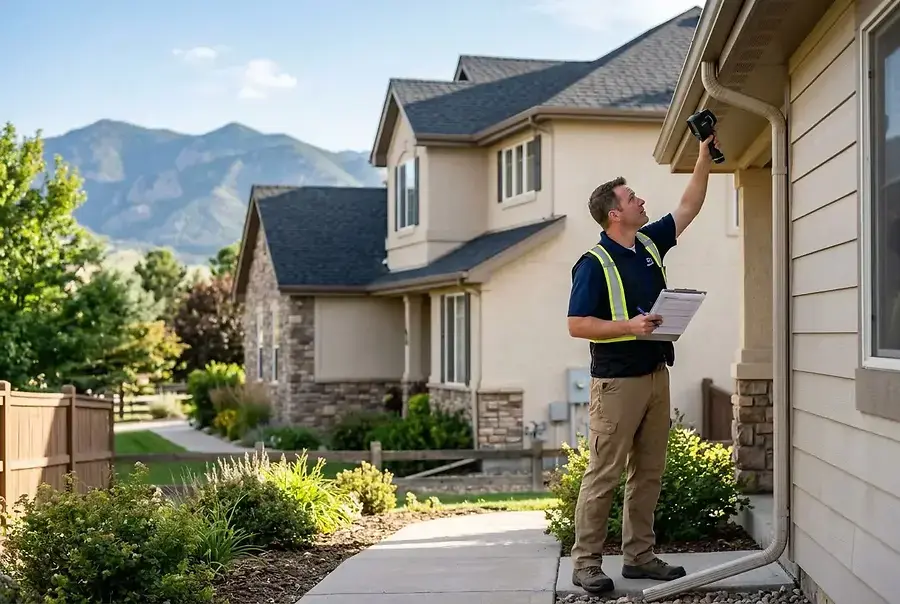
Understanding Parker's Home Inspection Process and Local Requirements
Purchasing a home in Parker, Colorado is an exciting milestone, but it requires careful due diligence to protect your investment. The home inspection process is one of the most critical steps in residential real estate transactions. Unlike some states, Colorado doesn't mandate home inspections by law, but they are highly recommended as a contingency in your purchase agreement.
In Parker, most buyers include an inspection contingency that typically allows 7-10 days to complete the inspection and review the report. This timeframe gives you adequate opportunity to hire a qualified inspector, conduct a thorough examination, and decide on your next steps. Licensed home inspectors in Colorado must follow the Colorado Board of Examiners of Home Inspectors standards, ensuring professional and consistent evaluations.
When scheduling your inspection, plan for 2-3 hours for a typical single-family home. The inspector will examine both interior and exterior elements, documenting findings in a detailed report. Understanding local building codes and Parker's specific environmental factors—such as high altitude, temperature fluctuations, and seasonal weather patterns—helps inspectors identify issues unique to the region.
Key Areas to Evaluate: Structural, Systems, and Climate-Related Concerns
Structural Integrity
The foundation is the backbone of any home. In Parker, inspectors pay special attention to:
- Foundation cracks and settlement patterns
- Basement moisture and water intrusion signs
- Crawl space conditions and ventilation
- Roof structure and framing integrity
Colorado's dry climate and elevation changes can cause foundation stress. Look for horizontal cracks, bowing walls, or uneven floors, which may indicate serious structural problems requiring professional engineering assessment.
Mechanical and Electrical Systems
Your home's systems must function reliably in Parker's climate. Critical inspections include:
- HVAC systems: Heating and cooling efficiency are essential for Colorado's temperature extremes
- Electrical panel: Proper grounding, adequate capacity, and safety compliance
- Plumbing: Water pressure, drainage, and freeze-protection measures
- Water heater: Age, condition, and capacity for household needs
Parker's high altitude and cold winters mean your heating system must be robust. Inspectors will verify that your furnace, heat pump, or alternative heating source is properly maintained and sized for your home.
Climate-Related Concerns
Parker's unique environmental conditions require special attention:
- Roof condition: UV exposure and hail damage are common concerns in Colorado
- Attic ventilation: Proper airflow prevents moisture buildup and ice dams
- Insulation levels: Adequate insulation is critical for energy efficiency
- Weatherproofing: Caulking, sealing, and weather stripping prevent air leaks
- Drainage systems: Gutters, downspouts, and grading direct water away from the foundation
The combination of intense sun, low humidity, and occasional heavy snow requires homes to be properly sealed and insulated. Don't overlook these details—they directly impact your utility bills and home comfort.
Red Flags and Deal-Breakers to Watch For During Inspections
Major Structural Issues
Certain findings should raise serious concerns:
- Significant foundation cracks or settling
- Roof leaks or structural damage
- Mold or extensive water damage
- Termite or pest infestation
These issues can cost thousands to repair and may indicate deeper problems. Always request a specialist's evaluation before proceeding.
System Failures
Watch for:
- Non-functioning HVAC systems requiring replacement ($5,000-$10,000+)
- Electrical panel issues or outdated wiring
- Plumbing problems like galvanized pipes or sewer line damage
- Water heater failure or inadequate capacity
Environmental and Safety Hazards
Parker inspectors also screen for:
- Radon: Colorado has elevated radon levels; testing is essential
- Asbestos: Older homes may contain this hazardous material
- Lead paint: Homes built before 1978 require disclosure and testing
- Poor grading: Water pooling near the foundation indicates drainage problems
Pro Tip: Request radon testing as part of your inspection contingency. Colorado's geological conditions make radon a legitimate health concern that shouldn't be ignored.
Next Steps: Using Inspection Reports to Negotiate and Close with Confidence
Reviewing Your Inspection Report
Once your inspector completes the report, carefully review every finding. Reports typically categorize issues by severity: critical, major, minor, and informational. Focus on critical and major items that affect safety, functionality, or value.
Don't hesitate to ask your inspector questions. A professional inspector should be available to clarify findings and explain implications. Understanding the severity and cost of repairs empowers you to make informed decisions.
Negotiation Strategies
Armed with your inspection report, you have several options:
- Request repairs: Ask the seller to fix critical issues before closing
- Request credits: Negotiate a price reduction to cover repair costs
- Request inspections: Hire specialists for major concerns (structural engineer, electrician, etc.)
- Walk away: If issues are too severe or costly, you can terminate the contract
Be strategic in your negotiations. Focus on legitimate safety and structural concerns rather than cosmetic issues. Sellers are more likely to accommodate reasonable requests backed by professional documentation.
Final Steps to Closing
After negotiations are resolved, schedule a final walk-through 24 hours before closing to verify that agreed-upon repairs were completed satisfactorily. Confirm that the home is in the condition you expected and that no new issues have emerged.
Keep your inspection report and all related documents for future reference. These records are valuable for warranty claims, insurance purposes, and future maintenance planning. As a homeowner in Parker, you'll want to establish a relationship with trusted contractors for ongoing maintenance and repairs.
A thorough home inspection is your best defense against costly surprises and regrets. By understanding what to look for, recognizing red flags, and using inspection findings strategically, you'll close on your Parker home with confidence and peace of mind.
