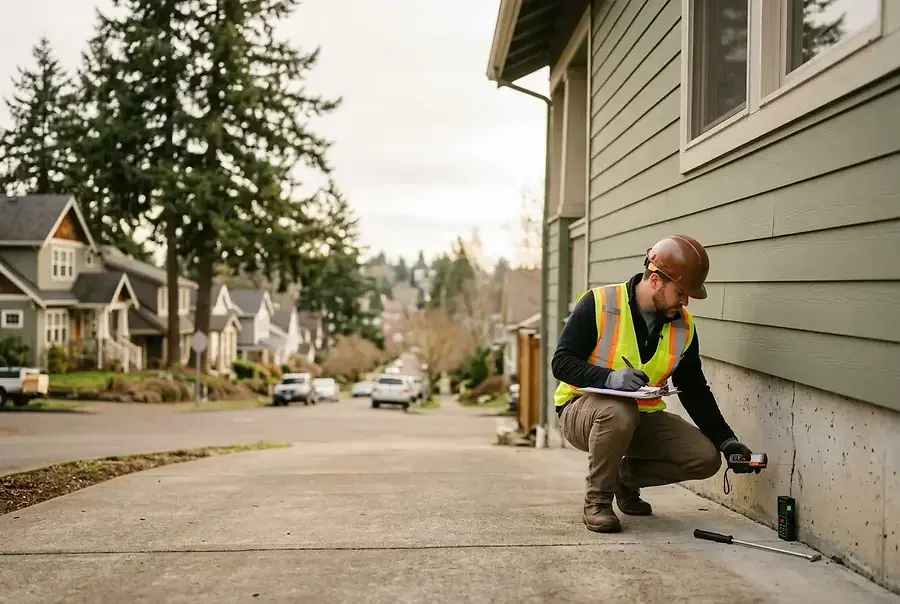
Why Home Inspections Matter in the Portland Metro Area
Purchasing a home is one of the most significant investments you'll make in your lifetime. In the Portland metro area's competitive housing market, the stakes are even higher. A professional home inspection serves as your financial safeguard, providing an objective assessment of a property's condition before you commit to the purchase.
Many buyers skip or rush through inspections to gain a competitive edge in bidding wars, but this approach can be costly. A thorough inspection typically costs between $300 and $500 and can save you thousands in unexpected repairs. Home inspectors are trained to identify issues that untrained eyes might miss, from structural problems to safety hazards that could affect your family's well-being.
Oregon's unique climate and housing stock present specific challenges that make inspections particularly valuable. The region's moisture-rich environment creates conditions favorable for mold, rot, and foundation issues. Understanding what inspectors look for helps you make informed decisions and negotiate repairs or credits with sellers.
Key Areas Inspectors Evaluate
Foundation and Structural Integrity
The foundation is your home's most critical component. Inspectors examine foundations for cracks, settling, water intrusion, and signs of structural movement. In the Portland area, where soil composition varies significantly, foundation issues are common.
- Vertical cracks (typically less concerning) versus horizontal cracks (potentially serious)
- Evidence of water damage or moisture in basements and crawl spaces
- Proper grading and drainage around the foundation perimeter
- Support posts and beams in crawl spaces for rot or insect damage
A compromised foundation can cost $10,000 to $50,000+ to repair, making this evaluation essential before purchase.
Electrical Systems
Electrical safety is paramount. Inspectors evaluate the main panel, wiring, outlets, and overall system capacity. Older Portland homes often have outdated electrical systems that may not meet current safety standards.
- Presence of aluminum wiring (a fire hazard in many cases)
- Adequate grounding and bonding throughout the home
- GFCI protection in bathrooms, kitchens, and outdoor areas
- Panel capacity to support modern appliances and technology
- Proper circuit breaker function and labeling
Upgrading an electrical panel can cost $1,500 to $3,000, so identifying issues early allows you to budget accordingly.
Plumbing Systems
Water damage is one of the most expensive issues homeowners face. Inspectors check water supply lines, drainage systems, fixtures, and water heaters for leaks, corrosion, and proper function.
- Galvanized or polybutylene pipes (both prone to failure)
- Water pressure and flow rates
- Sewer line integrity and proper slope
- Water heater age, condition, and capacity
- Evidence of past or present leaks
Oregon's hard water and mineral-rich soil can accelerate pipe deterioration, making plumbing inspections particularly valuable in this region.
Roofing and Exterior
Your roof protects everything beneath it. Inspectors assess roof condition, age, materials, and potential leak points. They also evaluate gutters, downspouts, siding, windows, and doors.
- Roof age and remaining lifespan
- Missing, cracked, or curling shingles
- Proper ventilation and attic condition
- Flashing around chimneys, vents, and skylights
- Gutter functionality and drainage
- Exterior caulking and weatherproofing
A new roof can cost $8,000 to $20,000+, so knowing the roof's condition is crucial for long-term planning.
Common Issues Found in Oregon Homes and How to Address Them
Moisture and Mold Problems
Portland's rainy climate makes moisture management critical. Inspectors look for signs of water intrusion, inadequate ventilation, and mold growth. Addressing moisture issues promptly prevents costly structural damage and health concerns.
Solutions include improving drainage, installing vapor barriers, upgrading ventilation systems, and ensuring proper grading around the home's perimeter.
Outdated Systems and Code Violations
Many Portland homes were built decades ago when building codes were less stringent. Inspectors identify systems that don't meet current safety standards, such as:
- Missing or inadequate insulation
- Outdated HVAC systems with poor efficiency
- Lack of proper ventilation in bathrooms and kitchens
- Missing or damaged chimney caps
While some upgrades are optional, others may be required for insurance or future resale. Understanding these issues helps you prioritize improvements.
Pest and Insect Damage
Oregon's climate supports various pests, including termites, carpenter ants, and wood-boring beetles. Inspectors examine structural wood for signs of infestation and damage. Early detection can prevent thousands in structural repairs.
HVAC and Heating Concerns
Heating systems are essential in Oregon's climate. Inspectors evaluate furnaces, heat pumps, and fireplaces for safety, efficiency, and proper operation. Many older systems are inefficient and costly to operate.
"A professional home inspection is not an expense—it's an investment in your peace of mind and financial security."
Making Informed Decisions Before Closing on Your New Home
Once you receive the inspection report, you have several options:
- Request repairs: Ask the seller to fix significant issues before closing
- Negotiate credits: Receive a credit toward closing costs to handle repairs yourself
- Renegotiate price: Adjust the purchase price based on inspection findings
- Walk away: Use inspection results as grounds to terminate the purchase if issues are severe
Work with your real estate agent and inspector to prioritize issues. Focus on structural, safety, and system problems rather than cosmetic concerns. Understanding the difference between minor maintenance and major repairs helps you make strategic decisions.
Don't skip the final walkthrough before closing. Verify that any agreed-upon repairs were completed properly and that the home's condition hasn't changed since the inspection.
A professional home inspection is your opportunity to make an informed decision about one of life's biggest purchases. In the Portland metro area's dynamic housing market, this critical step protects your investment and ensures you're buying a safe, sound home for your family. Take the time to understand the inspection report, ask questions, and address significant issues before closing. Your future self will thank you.