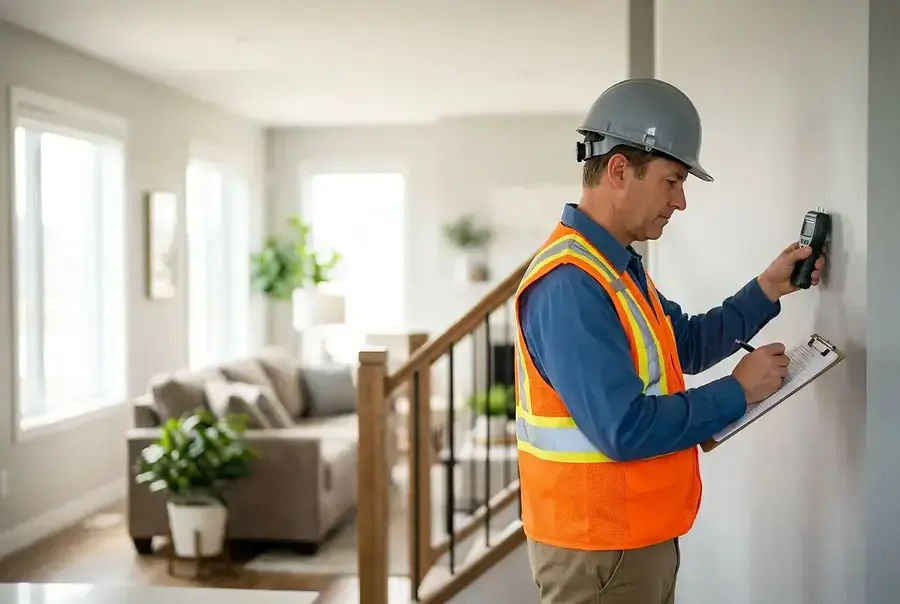
Why Home Inspections Matter for Residential Buyers
Purchasing a home is one of the most significant financial decisions you'll make in your lifetime. While the property may look beautiful on the surface, hidden structural issues, aging systems, and safety hazards could cost you thousands of dollars in repairs after closing. A professional home inspection is your safeguard against unexpected expenses and ensures you're making an informed investment.
Home inspections provide a detailed assessment of the property's condition, identifying problems that untrained eyes might miss. From foundation cracks to faulty electrical wiring, these inspections reveal the true state of your potential investment. By understanding what you're buying, you gain negotiating power and can make decisions based on facts rather than assumptions.
The bottom line: A thorough home inspection protects your financial interests and gives you peace of mind before signing the final paperwork.
The Complete Residential Inspection Checklist: Structural, Systems, and Safety
Structural Components
The foundation and structural integrity of a home are paramount. Inspectors examine:
- Foundation for cracks, settling, or water damage
- Basement or crawl space conditions
- Walls and framing for signs of damage or pest infestation
- Roof condition, age, and remaining lifespan
- Gutters and downspouts for proper drainage
- Exterior siding, windows, and doors for weatherproofing
Structural issues can be expensive to repair, making this assessment critical for your decision-making process.
Home Systems and Utilities
Modern homes rely on complex interconnected systems. Professional inspectors evaluate:
- Electrical System: Panel condition, wiring safety, outlet functionality, and code compliance
- Plumbing: Water pressure, drainage, pipe material and age, water heater condition
- HVAC: Heating and cooling system efficiency, age, and maintenance history
- Gas Systems: Safety, proper ventilation, and leak detection
- Insulation and Ventilation: Energy efficiency and moisture control
Aging or malfunctioning systems can lead to discomfort and safety risks. Understanding their condition helps you budget for future replacements.
Safety and Environmental Concerns
Beyond visible components, inspectors check for hazardous materials and safety issues:
- Asbestos in insulation, flooring, or roofing materials
- Lead paint in older homes
- Mold and moisture problems
- Carbon monoxide and radon levels
- Fire safety features and smoke detectors
- Stair railings and handrails for safety compliance
These environmental hazards can pose serious health risks to your family, making their detection essential.
Red Flags to Watch For and When to Negotiate Repairs
Major Red Flags
Certain inspection findings should trigger serious concern:
- Foundation Issues: Significant cracks, bowing walls, or water intrusion indicate structural problems requiring expert evaluation
- Roof Damage: Missing shingles, sagging, or nearing end of life means costly replacement soon
- Electrical Problems: Outdated wiring, overloaded panels, or code violations pose fire hazards
- Plumbing Failures: Corroded pipes, slow drainage, or water damage suggest expensive repairs ahead
- HVAC System Failure: Non-functional heating or cooling systems require immediate replacement
- Mold or Severe Water Damage: These indicate ongoing moisture problems affecting structural integrity
Negotiation Strategies
Once your inspection is complete, you have several options:
- Request Repairs: Ask the seller to fix major issues before closing
- Price Reduction: Negotiate a lower purchase price to account for repair costs
- Escrow Holdback: Arrange for funds to be held in escrow for repairs after closing
- Walk Away: If issues are too severe, you may choose to terminate the purchase
The key is understanding which issues are deal-breakers and which are manageable. Always consult with your real estate agent and inspector before making decisions.
Minor Issues vs. Major Concerns
Not every finding requires negotiation. Minor cosmetic issues like paint touch-ups or caulking are typically the buyer's responsibility. However, structural problems, system failures, and safety hazards warrant serious discussion with the seller.
"A professional home inspection is not an expense—it's an investment in your future. The cost of an inspection is minimal compared to the potential savings from identifying major issues."
Making Informed Decisions Through Professional Inspections
A comprehensive home inspection empowers you to make decisions based on complete information. Rather than relying on the seller's representations or your initial impressions, you have an objective, detailed assessment of the property's condition.
Key takeaways for residential buyers:
- Always hire a licensed, certified home inspector
- Attend the inspection to ask questions and learn about the property
- Request a detailed written report with photos and recommendations
- Use inspection findings as leverage in price negotiations
- Budget for repairs and maintenance based on inspector recommendations
- Don't skip inspections to save money—the potential costs far outweigh the inspection fee
Your home is more than just a building; it's where you'll create memories and build your future. By investing in a thorough inspection, you're protecting that investment and ensuring your new home is safe, sound, and worth every penny you're spending.
Before you sign on the dotted line, make sure you know exactly what you're buying. A professional home inspection is the essential first step toward confident homeownership.