Understanding the Home Inspection Process: What Inspectors Actually Evaluate
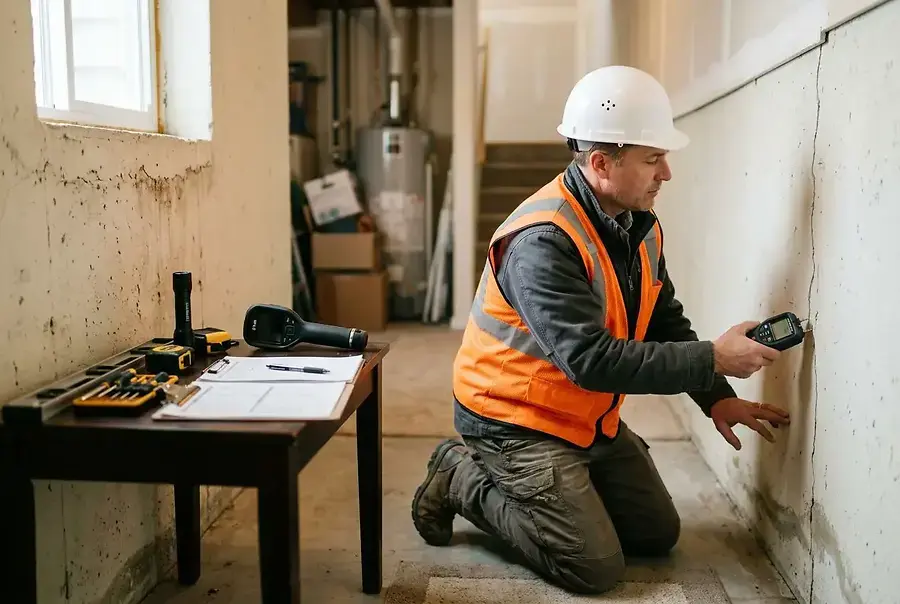
A professional home inspection is one of the most critical steps in the homebuying process. During a typical inspection, certified inspectors examine the structural integrity, mechanical systems, and overall condition of a property. Understanding what they evaluate helps you ask informed questions and identify potential red flags.
The Structural Foundation
Inspectors begin by assessing the foundation and structural components of your home. They look for cracks, settling, water damage, and signs of foundation movement. In Salt Lake Valley, where soil composition can vary significantly, foundation issues are particularly important to monitor. Inspectors will examine basement walls, crawl spaces, and exterior grading to ensure water is properly diverted away from the foundation.
Mechanical Systems and Utilities
Your inspector will thoroughly evaluate:
- HVAC systems – heating, ventilation, and air conditioning efficiency and age
- Electrical systems – panel condition, wiring safety, and outlet functionality
- Plumbing – water pressure, drainage, pipe materials, and potential leaks
- Water heater – age, capacity, and operational status
- Roof and attic – shingles, flashing, ventilation, and insulation levels
These systems represent significant investment areas, and their condition directly impacts your home's livability and resale value.
Interior and Exterior Components
Inspectors also evaluate windows, doors, siding, decks, and interior finishes. They assess for water intrusion, pest damage, and general wear and tear. In the Salt Lake Valley climate, inspectors pay special attention to how homes handle temperature fluctuations and seasonal moisture changes.
Common Issues Found in Salt Lake Valley Homes and How to Address Them
Salt Lake Valley's unique climate and geological characteristics create specific challenges for homeowners. Being aware of these regional issues helps you prepare for potential repairs and maintenance.
Foundation and Soil-Related Problems
The valley's expansive clay soils can cause foundation settling and cracking. If your inspection reveals minor cracks, they may be cosmetic, but larger cracks or horizontal fractures require professional evaluation. Solutions range from simple caulking to more extensive underpinning or foundation repair.
Water Damage and Moisture Issues
Despite the arid climate, water damage is surprisingly common in Salt Lake Valley homes. Poor grading, inadequate gutters, and improper drainage can lead to basement moisture and mold growth. Address these issues by:
- Installing or upgrading gutter systems with proper downspout extensions
- Ensuring grading slopes away from the foundation
- Installing sump pumps or French drains if needed
- Applying waterproof sealants to basement walls
HVAC System Challenges
The region's temperature extremes—hot summers and cold winters—put significant strain on heating and cooling systems. Many older homes have outdated HVAC systems that struggle with efficiency. If your inspection reveals an aging system, budget for replacement within the next few years. Modern systems offer better energy efficiency and lower utility bills.
Roof and Attic Concerns
Salt Lake Valley's intense sun and occasional heavy snow loads affect roofing materials. Inspectors look for premature shingle deterioration, inadequate ventilation, and insufficient insulation. Proper attic ventilation is crucial for preventing heat buildup in summer and ice dams in winter.
Using Inspection Reports to Negotiate Better Terms and Pricing
A thorough inspection report is your negotiating tool. Don't view it as just a checklist—use it strategically to strengthen your position in the transaction.
Categorizing Issues by Severity
Work with your inspector to categorize findings into three groups: critical issues requiring immediate attention, significant repairs needed within 1-2 years, and minor maintenance items. This framework helps you prioritize negotiations and understand true costs.
Obtaining Repair Estimates
For major issues identified in the inspection, get written estimates from licensed contractors. Armed with specific repair costs, you can negotiate more effectively. You have several options:
- Request a price reduction to cover repair costs yourself
- Ask the seller to complete repairs before closing
- Negotiate a credit at closing for repairs
- Request extended closing timelines if repairs are needed
Knowing When to Walk Away
Sometimes inspection results reveal issues that are too costly or complex to address. If repair estimates exceed your budget or indicate systemic problems, you have the right to renegotiate or withdraw from the purchase. This is why the inspection contingency period is so valuable.
Post-Purchase Maintenance: Protecting Your Investment Long-Term
Your inspection report doesn't end at closing—it's a roadmap for ongoing maintenance. Implementing a strategic maintenance plan protects your investment and prevents small issues from becoming expensive problems.
Creating a Maintenance Schedule
Use your inspection report to create a prioritized maintenance calendar. Address critical items immediately, schedule significant repairs within appropriate timeframes, and establish routine maintenance tasks. This proactive approach saves money and extends the life of your home's systems.
Seasonal Maintenance in Salt Lake Valley
The region's climate demands seasonal attention:
- Spring: Inspect roof for winter damage, clean gutters, check grading and drainage
- Summer: Service air conditioning, inspect exterior for sun damage, check caulking
- Fall: Clean gutters again, inspect heating system, weatherproof windows and doors
- Winter: Monitor for ice dams, check basement for moisture, ensure proper insulation
Building an Emergency Fund
Even with excellent maintenance, unexpected repairs happen. Financial experts recommend setting aside 1-2% of your home's purchase price annually for repairs and maintenance. This fund prevents financial stress when systems fail unexpectedly.
Keeping Detailed Records
Document all inspections, repairs, and maintenance work. These records increase your home's value when you eventually sell and help you track system lifecycles. They also provide valuable information for future inspectors and contractors.
A home inspection is not an expense—it's an investment in your peace of mind and financial security. By understanding what inspectors evaluate, addressing regional issues proactively, and using inspection reports strategically, you position yourself as a confident, informed homebuyer in the Salt Lake Valley market.