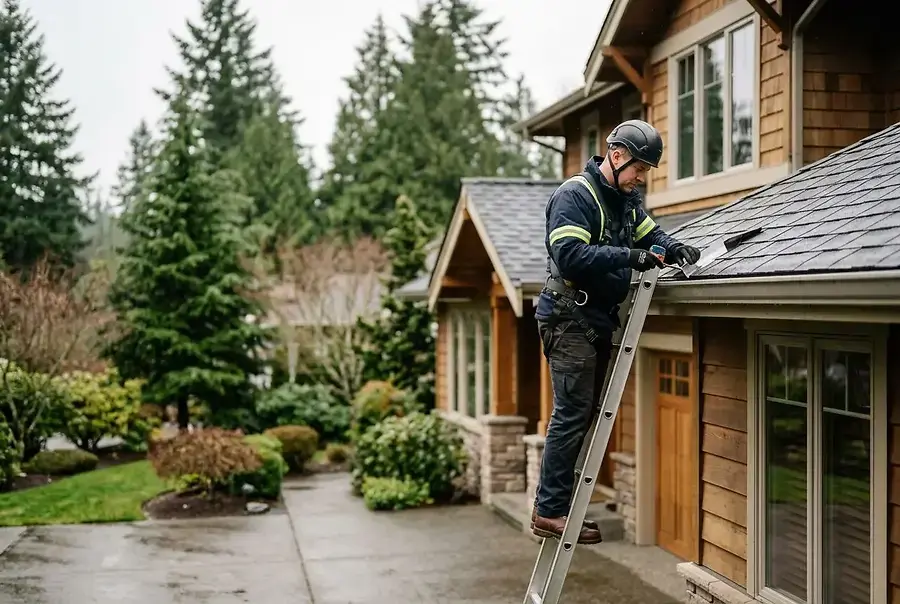
Introduction: Why Professional Home Inspections Matter for Seattle-Area Homes
Purchasing a home in the Seattle and Bellevue area represents one of the most significant financial decisions you'll make. With the competitive real estate market in the Puget Sound region, it's easy to get caught up in the excitement and overlook critical details. A professional home inspection is your safeguard—a thorough evaluation that can reveal hidden problems before you commit to a purchase.
The Pacific Northwest's unique climate and building conditions create specific challenges that buyers need to understand. From moisture issues to foundation concerns, knowing what to look for during an inspection can save you thousands of dollars in unexpected repairs and provide peace of mind in your new home.
Key Areas to Evaluate During a Residential Inspection
Roof and Exterior Structure
The roof is your home's first line of defense against the region's frequent rain and moisture. During inspection, professionals examine:
- Shingle condition and signs of wear or damage
- Proper drainage and gutter functionality
- Flashing around chimneys and vents
- Signs of leaks or water damage in attic spaces
The exterior walls, siding, and foundation should also be carefully evaluated for cracks, rot, or water infiltration—common issues in older Seattle homes.
Plumbing and Water Systems
Given the Puget Sound region's abundant water, plumbing systems require special attention. Inspectors check:
- Water pressure and flow rates throughout the home
- Pipe materials and condition (older homes may have outdated materials)
- Septic or municipal sewer connections
- Water heater age and functionality
- Evidence of leaks or water damage
Pro tip: Ask about the home's water source and whether it's been tested for contaminants, especially in rural Bellevue areas.
Electrical Systems
Electrical safety is paramount in any home inspection. Professionals evaluate:
- Panel condition and capacity for modern electrical demands
- Presence of outdated wiring (knob-and-tube or aluminum)
- Proper grounding and GFCI outlets in wet areas
- Overall safety compliance with current codes
HVAC and Insulation
Heating and cooling systems must work efficiently in Seattle's variable climate. Inspectors assess:
- Furnace or heat pump age and condition
- Air conditioning functionality
- Ductwork integrity and proper insulation
- Attic insulation levels and ventilation
Foundation and Basement
Foundation issues can be costly and complex. A thorough inspection includes checking for:
- Cracks in concrete or foundation walls
- Signs of settling or structural movement
- Moisture intrusion or standing water
- Proper drainage around the foundation perimeter
Common Issues Found in Pacific Northwest Homes and Red Flags to Watch For
Moisture and Mold Concerns
The Pacific Northwest's wet climate makes moisture management critical. Watch for:
- Visible mold or mildew in bathrooms, basements, or crawl spaces
- Musty odors indicating hidden moisture problems
- Water stains on ceilings or walls
- Soft or spongy wood in structural areas
Mold remediation can be expensive, so this is a major red flag that requires professional assessment.
Roof Deterioration
Seattle's rainy climate accelerates roof wear. Look for:
- Roofs nearing the end of their lifespan (typically 20-25 years)
- Missing, curled, or deteriorating shingles
- Moss or algae growth indicating moisture retention
- Evidence of previous leaks or repairs
Outdated Systems
Older homes in the Seattle area may have systems that need updating. Common concerns include:
- Outdated electrical panels with insufficient capacity
- Old plumbing materials prone to failure
- Inefficient heating systems
- Lack of modern insulation standards
Drainage and Grading Issues
Poor drainage around the foundation can lead to serious water damage. Red flags include:
- Water pooling near the foundation after rain
- Improper grading that directs water toward the home
- Missing or inadequate gutters and downspouts
- Clogged or damaged drainage systems
Seismic Considerations
The Puget Sound region sits in an earthquake zone. Inspectors should evaluate:
- Foundation bolting (older homes may lack proper seismic anchoring)
- Cripple wall bracing in homes with crawl spaces
- Overall structural integrity to withstand seismic activity
Conclusion: Using Inspection Results to Negotiate and Make Confident Offers
A professional home inspection provides you with detailed information about the property's condition. This knowledge is power—it allows you to make informed decisions and negotiate from a position of strength.
After receiving your inspection report:
- Review findings carefully with your real estate agent and inspector
- Prioritize issues by severity and cost to repair
- Request seller repairs, credits, or price reductions for significant problems
- Obtain contractor estimates for major repairs to support negotiations
- Consider your budget and risk tolerance when deciding on contingencies
In the competitive Seattle and Bellevue real estate market, a thorough home inspection is your best protection. It ensures you're making an informed investment and helps you avoid costly surprises after closing. Whether you're a first-time buyer or an experienced investor, prioritizing a professional inspection is a decision you won't regret.
Take the time to understand your home's condition, ask questions, and use that information wisely. Your future self will thank you for the diligence you invest today.