Why Home Inspections Matter in Seattle
Purchasing a home in Seattle is one of the most significant financial decisions you'll make. With the competitive real estate market in the Pacific Northwest, it's easy to get caught up in the excitement of finding your dream home and overlook critical details. A professional home inspection is your safeguard against costly surprises after closing.
Seattle's unique climate, with its frequent rain and moisture, creates specific challenges for homes that inspectors must evaluate carefully. Additionally, many Seattle properties were built decades ago and may have outdated systems or structural concerns that aren't immediately visible. A thorough inspection provides you with detailed knowledge about your potential investment and gives you leverage to negotiate repairs or price adjustments before you commit.
Without a home inspection, you could inherit thousands of dollars in unexpected repairs. This guide will help you understand what inspectors look for and how to use that information to make confident purchasing decisions.
Key Areas Inspectors Evaluate in Seattle Homes
Roof and Exterior
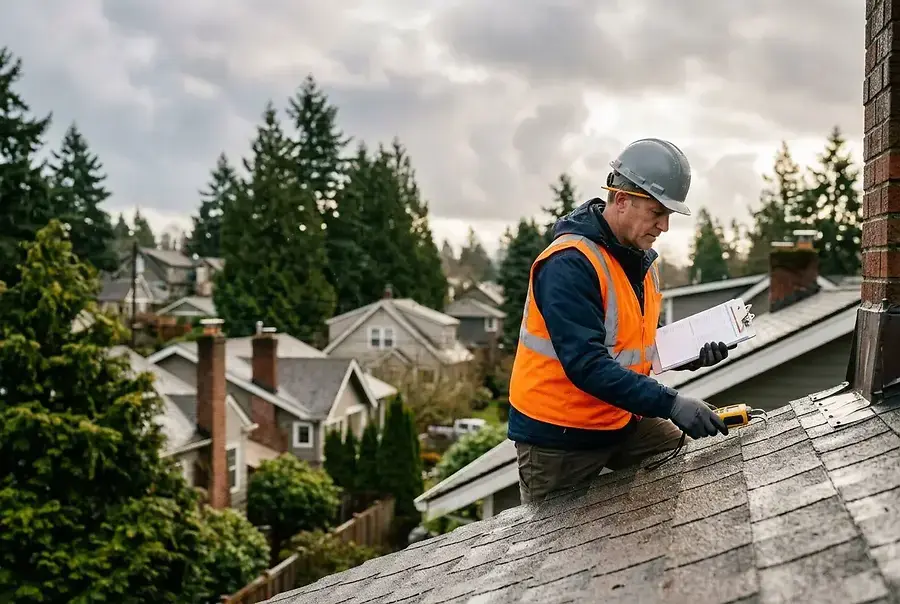
Seattle's rainy climate makes the roof one of the most critical components of any home. Inspectors examine shingles for wear, curling, or missing sections, and check for proper drainage and ventilation. They also assess the gutters, downspouts, and flashing around chimneys and vents to ensure water is properly directed away from the home.
The exterior siding—whether wood, vinyl, or composite—is evaluated for rot, damage, and proper maintenance. Inspectors look for signs of water intrusion, which is particularly important in Seattle's wet climate.
Foundation and Basement
A solid foundation is essential for any home's longevity. Inspectors check for cracks, settling, water damage, and signs of moisture intrusion in basements and crawl spaces. Seattle homes often sit on clay soil that can shift, potentially causing foundation issues. Inspectors will look for:
- Horizontal or vertical cracks in concrete
- Water stains or active moisture
- Proper drainage systems and sump pumps
- Evidence of previous flooding or water damage
Plumbing Systems
Inspectors test water pressure, check for leaks, and evaluate the age and condition of pipes. In older Seattle homes, galvanized pipes may be corroded or deteriorating. They also examine the water heater for age, functionality, and proper venting, and check that all fixtures drain properly.
Electrical Systems
A safe electrical system is non-negotiable. Inspectors verify that the panel is properly grounded, check for outdated wiring, and ensure outlets and switches are functioning correctly. They look for any signs of fire hazards or code violations that could pose safety risks to your family.
HVAC and Ventilation
Heating and cooling systems are evaluated for age, maintenance, and proper operation. Inspectors check furnaces, air conditioning units, and ventilation systems to ensure they're functioning efficiently. In Seattle's mild climate, many homes rely on heating systems that must be reliable during the cooler months.
Insulation and Moisture Control
Proper insulation and moisture barriers are crucial in the Pacific Northwest. Inspectors assess attic insulation levels, check for proper ventilation, and look for signs of moisture problems that could lead to mold growth—a common concern in Seattle's damp environment.
Red Flags and Common Issues Found in Seattle Properties
Water Damage and Mold
This is the most common issue in Seattle homes. Water intrusion can lead to expensive structural damage and health concerns. Look for discoloration on ceilings, walls, or in crawl spaces. Musty odors are often a sign of mold growth. Inspectors use moisture meters to detect hidden moisture behind walls and under flooring.
Outdated Plumbing and Electrical
Many Seattle homes built before the 1980s have outdated systems. Galvanized pipes corrode over time, reducing water pressure and quality. Knob-and-tube wiring is a serious fire hazard and should be completely replaced. These upgrades can be expensive, so it's important to know what you're dealing with before making an offer.
Roof Issues
Given Seattle's rainfall, roof problems are particularly concerning. Missing shingles, improper flashing, or inadequate ventilation can lead to significant water damage. A roof nearing the end of its lifespan may need replacement within a few years, which is a substantial expense.
Foundation Cracks and Settlement
While minor cracks are common, larger or expanding cracks may indicate serious structural problems. Inspectors will determine whether cracks are cosmetic or require professional structural evaluation and repair.
Inadequate Insulation
Many older Seattle homes lack sufficient insulation, leading to higher heating costs and reduced comfort. Upgrading insulation can be expensive but is often necessary for energy efficiency and comfort in the Pacific Northwest.
Pest Damage
Termites and carpenter ants thrive in Seattle's moist environment. Inspectors look for evidence of pest damage, particularly in wood framing, siding, and structural elements. Pest infestations can compromise the home's structural integrity.
Using Inspection Results to Make Confident Offers
Once you receive the inspection report, you have several options. Don't panic if issues are found—most homes have some problems. The key is understanding the severity and cost of repairs.
Use the inspection report to:
- Negotiate repairs: Ask the seller to fix critical issues before closing
- Request price reductions: Have the seller reduce the purchase price to account for repairs you'll handle
- Plan your budget: Understand what repairs are needed and prioritize them
- Make an informed decision: Decide whether the home is worth the investment or if you should continue your search
Work with your real estate agent and a trusted contractor to evaluate the cost of repairs. Major issues like foundation problems, roof replacement, or extensive water damage should be taken seriously. Minor issues like cosmetic repairs or routine maintenance are normal for any home.
A home inspection is not just about finding problems—it's about gaining peace of mind and making an informed investment decision.
In Seattle's competitive market, a thorough home inspection is your best protection. By understanding what inspectors evaluate and knowing what red flags to watch for, you can navigate the buying process with confidence and protect your investment for years to come.