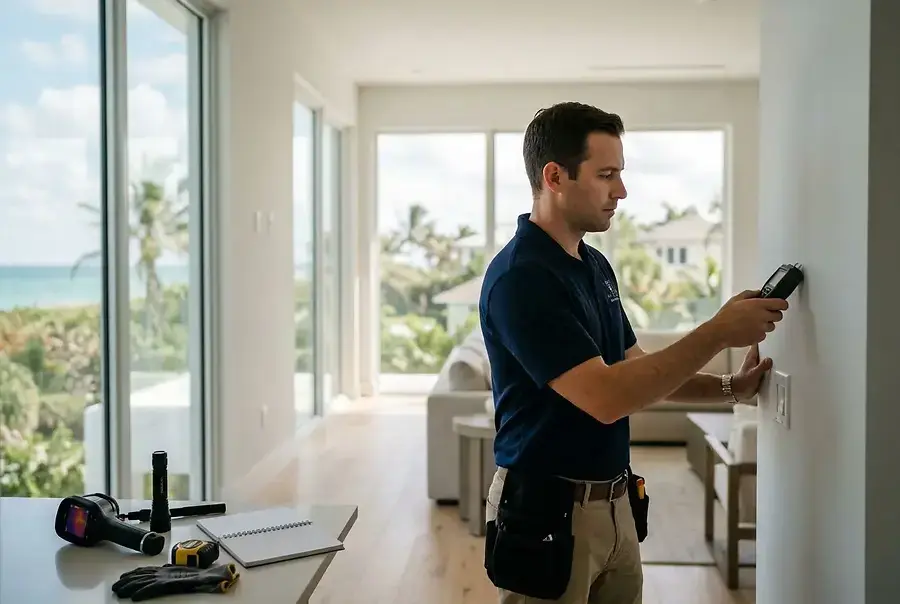
Why Home Inspections Matter in South Florida's Coastal Climate
Purchasing a home is one of the most significant investments you'll make in your lifetime. In South Florida's unique coastal environment, a professional home inspection becomes even more critical. The region's tropical climate, salt air, humidity, and occasional severe weather create specific challenges that can affect property integrity and longevity.
A thorough home inspection provides you with an objective assessment of your potential property's condition before you finalize your purchase. This process protects your investment, reveals hidden issues, and gives you valuable negotiating power. Whether you're buying in Boca Raton, Boynton Beach, Delray Beach, Highland Beach, or Manalapan, understanding what inspectors evaluate can help you make informed decisions.
Key Areas Professional Inspectors Evaluate in Residential Properties
Structural Integrity and Foundation
Inspectors begin by examining the home's foundation and structural components. In South Florida, where properties may be built on limestone or sandy soil, foundation issues can develop over time. Professionals look for:
- Cracks in the foundation or concrete slabs
- Signs of settling or shifting
- Water intrusion or moisture damage
- Proper drainage around the foundation
Roof and Weather Protection
The roof is your home's first line of defense against South Florida's intense sun, heavy rains, and hurricane-force winds. Inspectors evaluate:
- Roof age and remaining lifespan
- Shingle or tile condition and missing pieces
- Proper flashing around chimneys and vents
- Gutter and downspout functionality
- Attic ventilation and insulation
Plumbing Systems
South Florida's corrosive salt air can accelerate plumbing deterioration. Professional inspectors check:
- Water pressure and flow rates
- Pipe material and condition (galvanized, copper, PVC)
- Water heater age and functionality
- Drainage system efficiency
- Signs of leaks or water damage
Electrical Systems
A safe electrical system is paramount. Inspectors examine:
- Panel capacity and breaker condition
- Grounding and bonding systems
- Outlet and switch functionality
- Proper installation of GFCI outlets in wet areas
- Compliance with current electrical codes
HVAC and Climate Control
Air conditioning systems work overtime in South Florida. Inspectors assess:
- Unit age and cooling capacity
- Proper refrigerant levels
- Ductwork condition and insulation
- Thermostat functionality
- Filter accessibility and maintenance history
Windows, Doors, and Exterior
South Florida's weather demands robust exterior protection. Professionals evaluate:
- Window and door seal integrity
- Hurricane impact resistance (if applicable)
- Caulking and weatherstripping condition
- Exterior wall condition and paint
- Proper drainage and water management
Interior Conditions and Safety
Inspectors also examine interior spaces for:
- Mold or mildew growth
- Proper ventilation in bathrooms and kitchens
- Flooring condition and water damage
- Cabinet and appliance functionality
- Smoke and carbon monoxide detectors
Common Issues Found in South Florida Homes and How to Address Them
Moisture and Mold Problems
The Issue: South Florida's high humidity creates ideal conditions for mold growth. This is one of the most common problems inspectors discover in coastal properties.
How to Address It: Ensure proper ventilation throughout your home, maintain HVAC systems regularly, and address any water intrusion immediately. Consider installing a dehumidifier in problem areas and inspect crawl spaces and attics regularly.
Corrosion and Rust
The Issue: Salt air accelerates corrosion of metal components, including air conditioning units, electrical systems, and structural elements.
How to Address It: Use corrosion-resistant materials when replacing components, apply protective coatings to metal surfaces, and schedule regular maintenance to catch early signs of rust.
Roof Damage and Deterioration
The Issue: Intense UV exposure and occasional severe weather can rapidly deteriorate roofing materials.
How to Address It: Schedule professional roof inspections annually, replace damaged shingles or tiles promptly, and consider upgrading to impact-resistant materials designed for South Florida's climate.
Plumbing Deterioration
The Issue: Older homes may have galvanized pipes that corrode over time, reducing water pressure and quality.
How to Address It: Have a plumber assess your pipes and plan for gradual replacement with copper or PVC alternatives. This is often a long-term investment that improves water quality and system reliability.
Foundation and Settling Issues
The Issue: South Florida's soil composition can lead to foundation settling, particularly in older properties.
How to Address It: Have a structural engineer evaluate any cracks or settling concerns. Minor issues may require monitoring, while significant problems might need professional foundation repair.
Outdated Electrical Systems
The Issue: Older homes may have insufficient electrical capacity or outdated wiring that doesn't meet current safety standards.
How to Address It: Hire a licensed electrician to upgrade your panel if necessary and ensure all systems comply with current codes. This is a safety investment that also increases your home's value.
Making Informed Decisions Before Your Purchase
A professional home inspection is your opportunity to understand exactly what you're buying. Don't skip this crucial step, even if the property appears to be in excellent condition. Inspectors have the training and experience to identify issues that untrained eyes might miss.
Key takeaways for South Florida buyers:
- Always hire a licensed, experienced home inspector familiar with South Florida properties
- Attend the inspection if possible to ask questions and understand findings
- Request a detailed written report with photographs of any issues
- Use inspection findings to negotiate repairs or price adjustments
- Plan for regular maintenance to prevent future problems
- Budget for climate-specific upgrades like impact-resistant windows or roof reinforcement
Whether you're purchasing your first home or your fifth, a comprehensive home inspection provides peace of mind and protects your investment. In South Florida's unique coastal environment, this step is not just recommended—it's essential. Take the time to understand your property's condition, address any issues proactively, and enjoy your new home with confidence.